
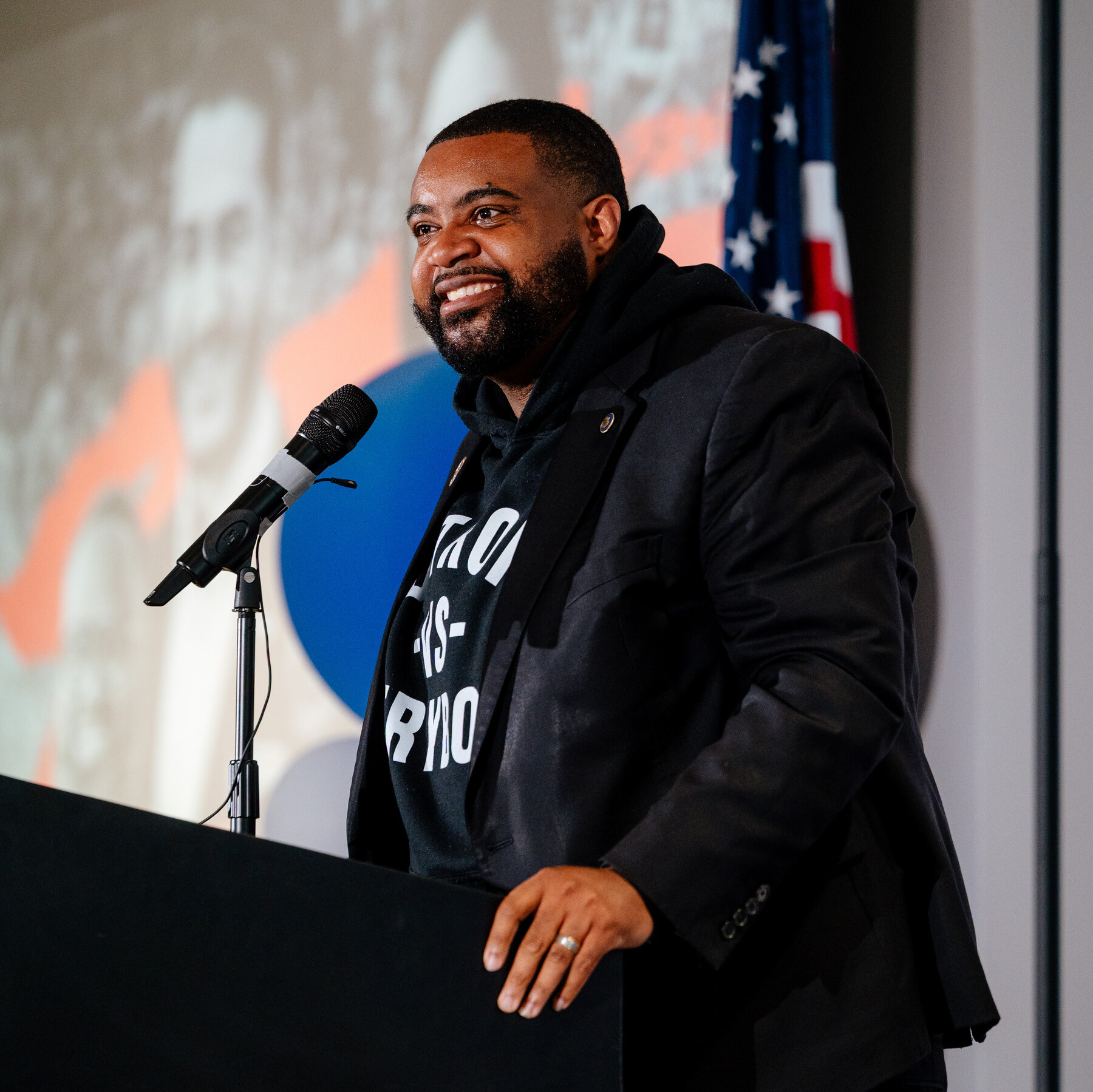
Michigan’s political landscape has long been a battleground of diverse ideologies and shifting voter priorities. The recent primary election saw a dramatic upset when incumbent Shri Thanedar, a Democratic congressman known for his centrist positions and business background, lost to a Democratic Socialist challenger. This event not only surprised many political observers but also highlighted the growing influence of progressive and socialist ideals within the state’s Democratic electorate. This article delves into the circumstances leading to Thanedar’s defeat, the rise of Democratic Socialism in Michigan, and the broader implications for the state’s political future.
Background on Shri Thanedar’s Political Career
Shri Thanedar, a businessman-turned-politician, first entered Michigan’s political arena with a focus on economic development and pragmatic governance. Known for his centrist stances, he positioned himself as a candidate who could bridge divides and promote business-friendly policies while supporting key Democratic priorities.
Thanedar’s appeal initially resonated with a broad swath of voters, especially in districts with mixed urban and suburban populations. His background in science and entrepreneurship lent him credibility on issues related to innovation and economic growth, which he emphasized throughout his campaign.
However, Thanedar’s moderate approach also attracted criticism from progressive factions within the Democratic Party. Some viewed his policies as too aligned with corporate interests, which created an opening for challengers advocating for more radical reforms and social justice initiatives.
The Rise of Democratic Socialism in Michigan
Over the past decade, Democratic Socialism has gained momentum in Michigan, mirroring a national trend among younger and more progressive voters. This movement emphasizes policies like universal healthcare, affordable housing, and workers’ rights, appealing to those dissatisfied with traditional centrist politics.
Michigan’s urban centers, such as Detroit and Ann Arbor, have become hubs for progressive activism, where grassroots organizations and political clubs have successfully mobilized voters around issues of social equity and economic justice. These groups have played a pivotal role in supporting candidates who challenge the status quo.
The Democratic Socialist challenger who defeated Thanedar capitalized on this growing base by running a campaign rooted in community engagement, transparency, and clear policy proposals aimed at addressing systemic inequalities. Their message resonated with voters eager for change.
Key Factors Behind Thanedar’s Primary Defeat
Several factors contributed to Shri Thanedar’s unexpected loss. Foremost among them was a growing perception that his centrist policies failed to adequately address pressing social and economic issues faced by his constituents. This perception alienated a significant portion of the Democratic base seeking more progressive reforms.
Additionally, Thanedar’s campaign faced challenges in grassroots mobilization. While well-funded, his outreach efforts were seen as top-down and insufficiently connected to local communities. In contrast, his opponent’s ground game was robust, leveraging volunteer networks and community events to boost voter turnout.
Furthermore, the national political climate, marked by increasing polarization and a shift toward progressive candidates in Democratic primaries, played a role. Voters in Michigan reflected this trend, prioritizing candidates who championed bold, systemic change over incremental policy adjustments.
Campaign Strategies: Centrist vs. Progressive Approaches
Thanedar’s campaign leaned heavily on his record and experience, emphasizing economic growth, job creation, and pragmatic solutions. His messaging targeted moderate Democrats and independents, positioning himself as a unifying figure capable of bipartisan cooperation.
In contrast, the Democratic Socialist challenger adopted a grassroots-focused strategy, highlighting issues like healthcare reform, climate action, and social justice. Their campaign was characterized by active community engagement, social media outreach, and coalition-building with labor unions and activist groups.
This stark contrast in approaches underscored broader ideological divides within the Democratic Party. While Thanedar appealed to established party structures and moderate voters, his opponent energized a younger, more progressive base eager for transformative policies.
Voter Demographics and Their Impact on the Outcome
Analyzing voter demographics reveals that younger voters, minorities, and urban residents played a decisive role in the primary upset. These groups increasingly favor progressive candidates who prioritize social equity and economic justice, aligning with the Democratic Socialist platform.
Meanwhile, older and more suburban voters, traditionally a stronghold for centrists like Thanedar, showed lower voter turnout. This demographic shift contributed to the momentum of the challenger, who successfully mobilized first-time and infrequent voters.
The changing composition of Michigan’s electorate reflects broader national trends, where demographic shifts and evolving political attitudes are reshaping party dynamics and electoral outcomes.
Implications for Michigan’s Democratic Party
Thanedar’s defeat signals a significant ideological shift within Michigan’s Democratic Party, highlighting the growing influence of progressive and socialist factions. This development may prompt party leaders to reassess strategies and candidate endorsements in future elections.
The rise of Democratic Socialism in the state suggests that policy platforms will increasingly prioritize systemic reforms over centrist compromises. This could lead to more competitive primaries and a redefinition of what it means to be a Democrat in Michigan.
However, this shift also presents challenges, such as potential fractures within the party between moderate and progressive wings. Balancing these interests will be critical to maintaining party unity and electoral success in upcoming statewide and national contests.
National Context: Michigan’s Shift in the Broader Political Landscape
Michigan’s political shift is reflective of a broader national realignment within the Democratic Party, where progressive candidates have increasingly challenged incumbents in primaries. This trend underscores a growing demand for policies addressing income inequality, climate change, and social justice.
The state’s status as a political battleground makes these developments particularly significant. Michigan’s evolving political identity will influence not only local governance but also national elections, given its importance as a swing state.
As Democratic Socialism gains traction nationwide, Michigan’s experience will serve as a case study for understanding how grassroots movements can reshape party dynamics and electoral outcomes in diverse political environments.
What’s Next for Shri Thanedar and Michigan Politics?
Following his primary defeat, Shri Thanedar faces decisions about his political future, whether to continue engagement in public service or pivot to other roles within the community or private sector. His experience and network remain valuable assets regardless of the path chosen.
For Michigan politics, this upset marks a new chapter characterized by heightened competition and ideological diversity within the Democratic Party. Future elections are likely to feature vigorous debates between moderate and progressive candidates vying for influence.
Ultimately, Michigan voters will continue shaping the state’s political trajectory, with the recent primary serving as a reminder that electoral outcomes are increasingly contingent on grassroots mobilization, demographic trends, and shifting ideological currents.
Conclusion
The primary defeat of Shri Thanedar by a Democratic Socialist challenger marks a pivotal moment in Michigan’s political evolution. This upset exemplifies the growing influence of progressive ideals within the state and highlights the importance of grassroots activism, demographic shifts, and ideological realignment. As Michigan continues to navigate these changes, the Democratic Party faces the challenge of integrating diverse viewpoints to build a cohesive and effective political coalition. The outcome of this race serves as a bellwether for future elections, signaling a new era of political engagement and transformation in Michigan.