
Politics
Science vs politics: Kiwi’s long road to EU health-claim approval
In August 2025, Zespri, the world’s largest marketer of kiwifruit, announced that the European Commission had approved what it described as the first health…
TAMFIS NIG LTDRC 8067447CAC ACTIVEFinima, Bonny Island, Rivers State

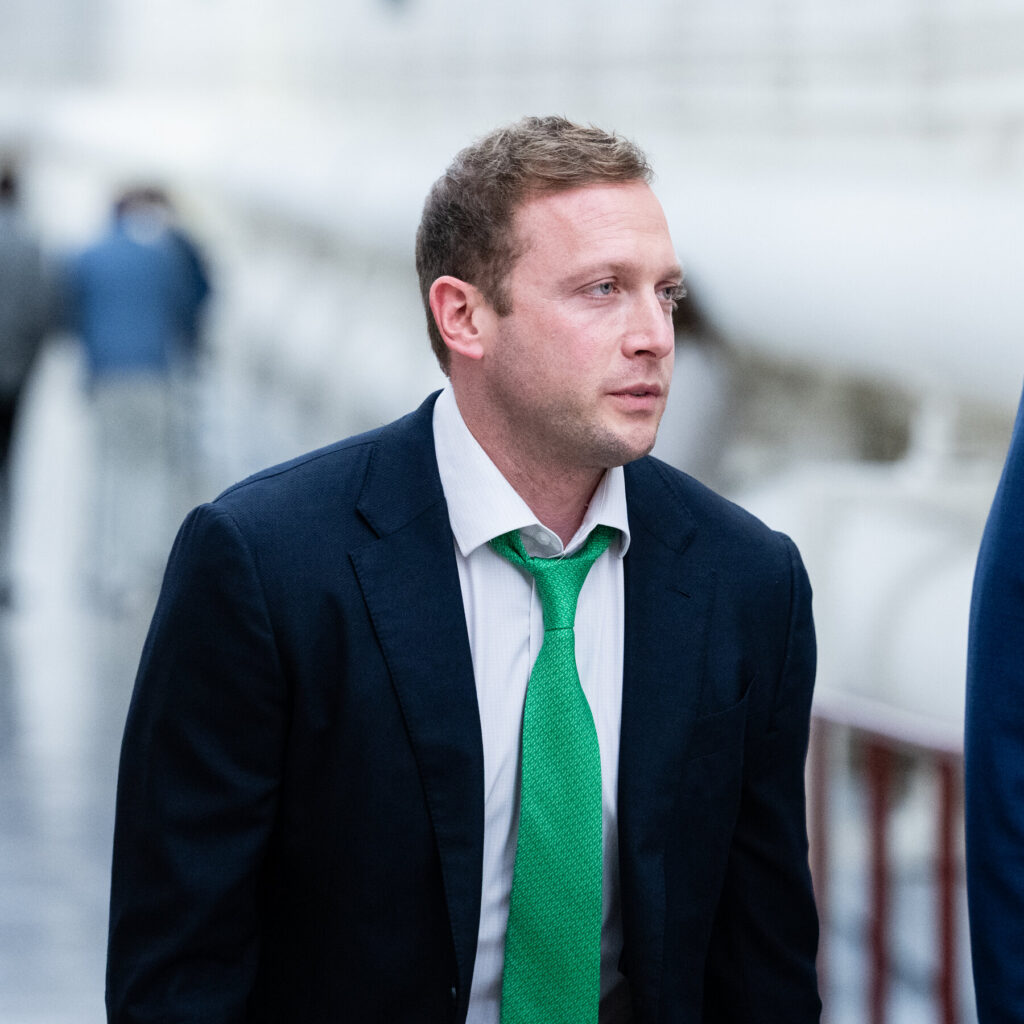
In today’s politically charged environment, media appearances often become pivotal moments for elected officials to manage their public image and control the narrative surrounding controversies. Ohio Congressman Max Miller’s 23-minute interview with CNN anchor Jake Tapper is a striking example. Confronted with a series of allegations that threaten his bid for re-election, Miller’s candid and unconventional approach during the interview drew significant attention. This article delves into the interview’s key elements, the nature of the allegations, and what this means for Miller’s political trajectory amid heightened scrutiny.
Max Miller, a Republican representative from Ohio, currently faces a wave of allegations that have raised serious questions about his conduct and suitability for office. Although the precise details of these accusations have not been fully disclosed in public sources, their collective weight has created a formidable obstacle to his re-election efforts. The allegations encompass a range of concerns, contributing to a climate of uncertainty around Miller’s political future.
The timing of these allegations is particularly consequential. They have surfaced at a critical juncture when Miller is striving to consolidate support in a competitive electoral environment. This convergence of challenges has amplified the pressure on Miller to respond publicly and decisively, making media engagements a strategic imperative for his campaign.
Jake Tapper, a veteran journalist and CNN anchor, is recognized for his rigorous interviewing style and commitment to accountability. His role in this interview was to probe Miller’s responses thoroughly, providing viewers with insight into the congressman’s stance amid controversy.
CNN’s extensive reach as a major cable news network offered Miller a valuable platform to communicate directly with a diverse and politically engaged audience. The interview’s length—approximately 23 minutes—allowed for a more substantive exchange than typical brief segments, enabling Miller to elaborate on his positions and respond at length to challenging questions. This format, however, also subjected him to sustained scrutiny, testing his ability to maintain composure and clarity under pressure.
Observers noted that Miller’s demeanor during the interview diverged from the standard political script often seen in similar situations. Instead of adopting a strictly defensive or rehearsed tone, Miller incorporated moments that were described as unconventional, blending direct rebuttals with a more informal and at times personal communication style.
This approach appears to be a deliberate strategy aimed at humanizing Miller and potentially diffusing the intensity of the allegations. By mixing candor with a less formal tone, he may have sought to connect with viewers on a more relatable level and shift the narrative away from the controversy.
Throughout the interview, Miller emphasized his commitment to transparency and integrity, directly challenging the validity of the accusations. He also contextualized the allegations within the broader political landscape, suggesting that partisan motives may be driving the scrutiny he faces. This framing attempts to recast the controversy as politically motivated rather than grounded in substantive misconduct.
While this strategy is unconventional, its effectiveness remains a subject of debate. Some viewers and commentators have praised Miller’s willingness to engage openly, while others perceive the approach as evasive or insufficiently forthright.
The CNN interview represents a critical moment in Miller’s re-election campaign. By confronting the allegations head-on in a high-profile setting, Miller aimed to reduce their damaging impact and reassure his constituents of his qualifications and character.
However, the interview’s unusual tone and Miller’s communication style may produce mixed outcomes. Supporters might interpret his candidness and direct engagement as evidence of strength and authenticity, potentially solidifying their backing. Conversely, critics and undecided voters could view the approach as a deflection or a failure to fully address the allegations, thereby deepening doubts about his suitability for office.
The ultimate effect of the interview will depend on how the media continues to cover the story, how voters perceive Miller’s responses, and the broader political developments leading up to the election. Successfully navigating this controversy could preserve Miller’s immediate electoral prospects and influence his longer-term career within Ohio politics and beyond.
Miller’s CNN interview highlights the evolving role of media in enforcing political accountability. In an era where public trust is often fragile, interviews with prominent politicians serve dual purposes: they provide a forum for transparency and simultaneously function as arenas for image management.
Politicians face the delicate challenge of addressing serious allegations openly while also maintaining control over how they are perceived by the public. Striking this balance is essential to preserving credibility without exacerbating political vulnerabilities.
From the journalists’ perspective, eliciting substantive and candid responses amid sensitive and complex issues is a demanding task. The dynamics of such interviews not only shape public understanding but also influence democratic processes by informing voter decisions and holding elected officials accountable.
This case underscores the importance of transparent dialogue and the media’s role in facilitating it, especially when political figures confront controversies that could alter the course of their careers.
Max Miller’s 23-minute interview with Jake Tapper on CNN was a significant moment in his ongoing effort to confront serious allegations amid a challenging re-election campaign. His unconventional tone and direct engagement with the accusations reflect a nuanced strategy aimed at mitigating political damage while attempting to maintain voter trust. Although the long-term impact of this approach remains to be seen, the interview exemplifies the complex interplay between media scrutiny and political survival in today’s American political landscape. As voters and political observers continue to evaluate Miller’s responses, this episode serves as a reminder of the vital role transparent dialogue and media engagement play in fostering democratic accountability.
Originally reported by nytimes.com. Adapted for our readers with AI assistance.
Keep reading
Politics
In August 2025, Zespri, the world’s largest marketer of kiwifruit, announced that the European Commission had approved what it described as the first health…
News
By Engr. Tamunofiniarisa BrownReading Time: 6 Minutes The conflict between Russia and Ukraine is often framed in the media as a simple battle between…
Politics
Twenty-five years after the September 11 attacks, the family of Marine Travis Fuller reflects on his death in the Iraq War, grappling with the…
TAMFIS NIG LTD
Electrical and instrumentation engineering, bid preparation and consulting, IT and software.