
Politics
How Minnesota Figures Into the Presidential Politics of Insulin Prices
Politics tamfitronics Minnesota Gov. Tim Walz attends a rally in Asheville, North Carolina, on Sept. 17. Minnesota led the way on in...
TAMFIS NIG LTDRC 8067447CAC ACTIVEFinima, Bonny Island, Rivers State

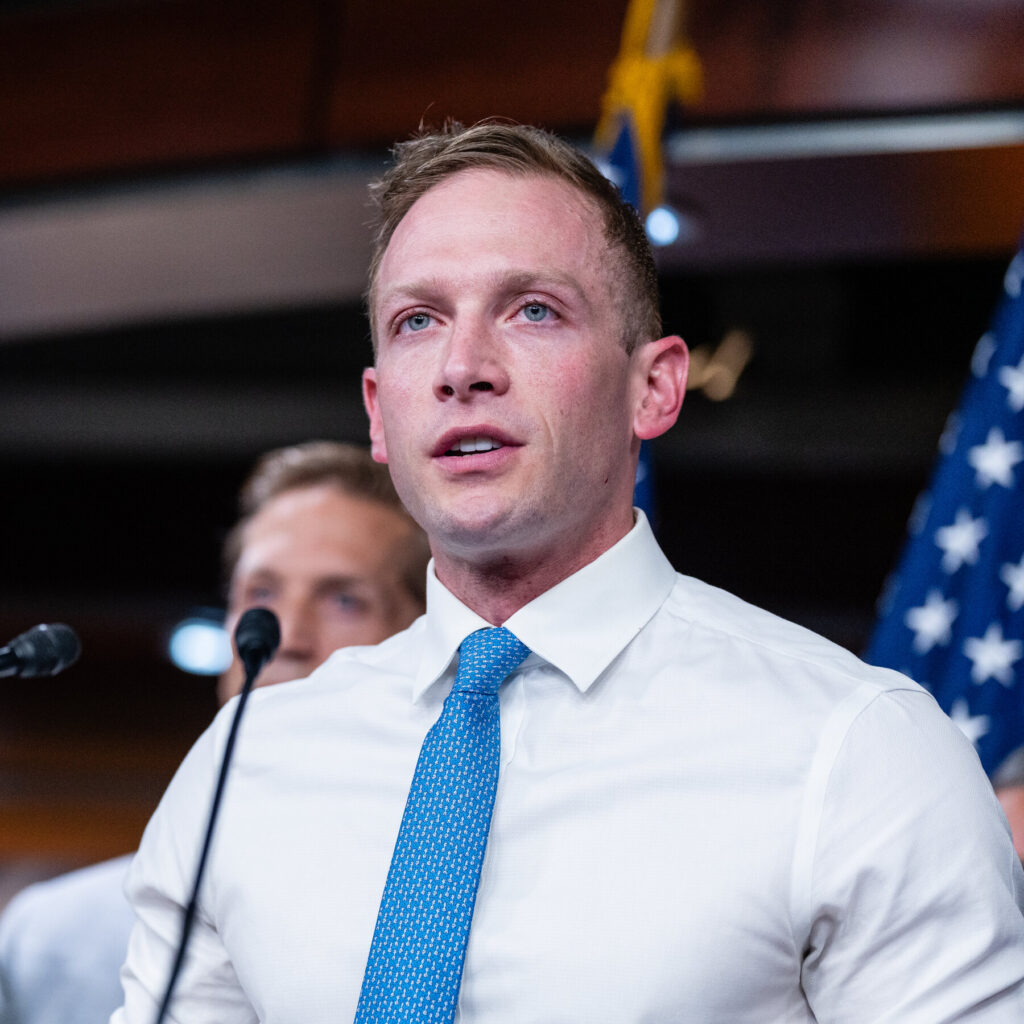
Max Miller, a Republican House member from Ohio, is currently embroiled in controversy after serious allegations of domestic violence surfaced. Accused of holding a gun to his ex-wife’s head and injuring their young daughter, Miller has firmly denied these claims. With a critical political deadline looming, the pressure on Miller to withdraw from the race is intensifying, raising questions about accountability, political strategy, and the impact of personal conduct on public service.
The allegations against Max Miller are deeply troubling and involve claims of domestic violence that have shocked the public and political circles alike. Reports state that Miller allegedly held a gun to his ex-wife’s head during a confrontation and caused a fracture to the collarbone of their young daughter. These accusations, if true, represent serious acts of violence within a family setting, raising profound concerns about Miller’s character and suitability for public office.
Miller has categorically denied all allegations, emphasizing his innocence and questioning the motives behind the accusations. His firm denial has created a contentious atmosphere both within his political party and among his constituents, with supporters and critics sharply divided over the credibility of the claims. This dispute underscores the challenges in assessing personal conduct allegations that intersect with public responsibilities.
The emergence of these allegations has placed Republican leaders and colleagues in a difficult position. On one hand, there is an increasing demand for accountability and ethical conduct from elected officials, especially in cases involving alleged domestic violence. On the other hand, Miller’s congressional seat is politically significant, and his potential withdrawal could affect the party’s chances in the upcoming election, creating a strategic dilemma.
Despite mounting pressure from some party members, advocacy groups, and constituents urging Miller to step down, he has resisted calls to drop out. This resistance highlights the tension between political pragmatism—protecting a valuable seat—and moral responsibility within party dynamics.
The Republican Party’s response has been cautious and measured. Some leaders have called for due process, emphasizing the importance of not rushing to judgment before all facts are established. Others have expressed concern over the potential damage to the party’s public image and the message it sends about tolerating alleged misconduct. This balanced approach reflects the complexity of handling serious personal allegations while navigating electoral considerations.
The nature of the allegations brings legal scrutiny to the forefront. Domestic violence is a serious criminal offense, and if proven, could lead to significant legal consequences for Miller, including potential charges and legal proceedings. However, as of now, no formal charges have been publicly announced, and Miller continues to maintain his innocence.
From an ethical standpoint, elected officials are held to high standards of personal conduct due to their role in representing the public and shaping policy. Allegations of this nature challenge the public’s trust and raise important questions about the mechanisms in place to address misconduct among lawmakers. The situation highlights the ongoing debate about how to balance the presumption of innocence with the need for accountability and transparency.
Political parties and institutions face a delicate balancing act: they must uphold the principles of justice and due process while ensuring that public confidence in government is not eroded. This case exemplifies the challenges in navigating these competing demands.
For voters in Miller’s district, the allegations have introduced a significant degree of uncertainty and concern. Many constituents are grappling with the gravity of the claims and what they mean for their representation in Congress. The situation has sparked intense discussions about the qualities voters expect from their elected officials and how personal conduct should influence political support.
Public opinion in the district appears divided. Some supporters remain loyal to Miller, emphasizing the importance of due process and accepting his denials. They argue that allegations alone should not determine a political career without legal confirmation.
Conversely, other constituents are calling for a change, prioritizing ethical leadership and the safety of families. They view the allegations as disqualifying and believe that elected officials must be held to higher standards to maintain public trust.
This division mirrors a broader national conversation about the intersection of personal behavior and public service, and how voters weigh these factors when making electoral decisions. It also highlights the evolving expectations for transparency and accountability in political leadership.
With a critical deadline approaching for candidates to withdraw from the race, Miller’s decision carries significant political and symbolic weight. Should he choose to remain in the race, the election could become a referendum not only on his personal conduct but also on the Republican Party’s stance on handling serious allegations against its members.
If Miller steps down, the Republican Party will face the urgent task of identifying and supporting a replacement candidate. This could impact campaign dynamics, voter turnout, and the party’s overall electoral strategy in the district.
Regardless of the outcome, this situation underscores the increasing scrutiny public officials face and the evolving expectations for transparency, accountability, and ethical behavior in politics. It also serves as a reminder of the challenges political parties encounter when allegations of personal misconduct threaten to overshadow electoral contests.
The controversy surrounding Max Miller exemplifies the complex intersection of personal conduct, legal scrutiny, and political strategy. As allegations of domestic violence cast a shadow over his career, Miller’s refusal to withdraw from the race tests the Republican Party’s commitment to ethical standards and accountability. For voters and political observers alike, this case highlights the challenges of balancing due process with the imperative for trustworthy leadership. The coming days will be critical in determining not only Miller’s political future but also the broader implications for how misconduct allegations are handled in American politics.
Originally reported by nytimes.com. Adapted for our readers with AI assistance.
Keep reading
Politics
Politics tamfitronics Minnesota Gov. Tim Walz attends a rally in Asheville, North Carolina, on Sept. 17. Minnesota led the way on in...
Politics
Deji Adeyanju; Niger State Mining Victims Human rights lawyer and activist, Deji Adeyanju, has accepted his appointment as a member of the Federal Government’s…
Politics
Democracy, Featured, Global, Global Governance, Headlines, International Justice, IPS UN: Inside the Glasshouse, TerraViva United Nations UNITED NATIONS, Sep 11 2026 (IPS) – When…
TAMFIS NIG LTD
Electrical and instrumentation engineering, bid preparation and consulting, IT and software.