
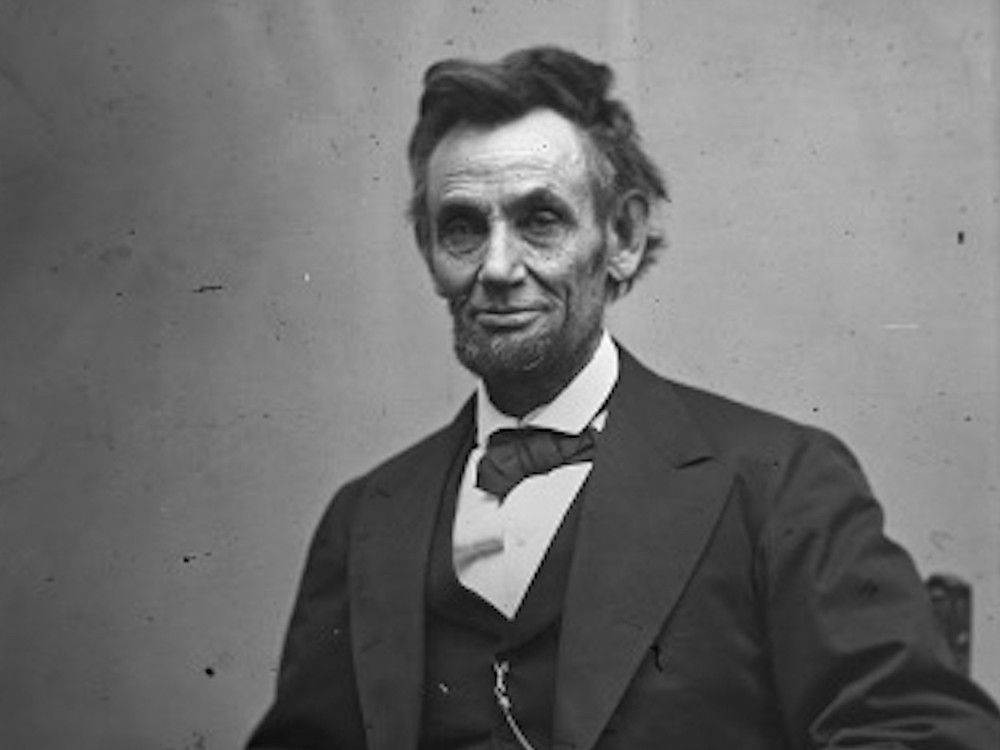
The history of United States presidential politics is not only a chronicle of leadership and governance but also a somber record of violence. Shootings targeting presidents and presidential candidates have punctuated this history, reflecting periods of intense political strife and societal upheaval. From the tragic assassination of Abraham Lincoln in 1865 to more recent attempts on figures like Ronald Reagan and Donald Trump, these violent episodes have shaped the nation's political landscape. Understanding these events provides insight into the evolving nature of political security, public sentiment, and the resilience of American democracy.
The Assassination of Abraham Lincoln: A Nation in Mourning
On April 14, 1865, President Abraham Lincoln was fatally shot by John Wilkes Booth while attending a play at Ford’s Theatre in Washington, D.C. This event was the first assassination of a U.S. president and occurred just days after the Civil War’s end, plunging the nation into profound grief. Lincoln’s death profoundly impacted the Reconstruction era and reshaped the course of American history.
Booth, a Confederate sympathizer, viewed Lincoln’s policies as tyrannical and sought to revive the Confederate cause through this violent act. The assassination underscored the deep divisions within the country and highlighted the dangers political leaders faced amid national turmoil.
Lincoln’s legacy as a unifying figure and emancipator was cemented by his tragic death, which also led to increased security measures for presidents. The incident remains a stark reminder of how political violence can alter a nation’s trajectory.
The Turbulent 1960s: Assassinations and Political Upheaval
The 1960s were marked by significant political violence, including the assassinations of President John F. Kennedy in 1963 and Senator Robert F. Kennedy in 1968. JFK’s assassination in Dallas by Lee Harvey Oswald shocked the world, symbolizing a loss of innocence for many Americans. The event intensified national anxieties during a period already fraught with civil rights struggles and Cold War tensions.
Robert F. Kennedy, JFK’s brother and a leading Democratic presidential candidate, was shot and killed in Los Angeles during the 1968 campaign. His death came just months after the assassination of civil rights leader Martin Luther King Jr., further destabilizing an already volatile political climate. These assassinations contributed to widespread disillusionment and violence in American politics.
The Warren Commission’s findings that Oswald acted alone remain a subject of debate, while RFK’s assassination highlighted the risks faced by those seeking to change the political status quo. The 1960s underscored how deeply political violence was intertwined with social and racial tensions.
Ronald Reagan’s Assassination Attempt: Resilience Amid Crisis
On March 30, 1981, President Ronald Reagan was shot outside the Washington Hilton Hotel by John Hinckley Jr., who sought to impress actress Jodie Foster. Reagan was seriously wounded but made a remarkable recovery, spending twelve days in the hospital. The incident brought national attention to issues of mental health and presidential security.
Hinckley’s attack was a turning point for Secret Service protocols, prompting a reevaluation of protective measures for the president. Reagan’s composed response and humor during recovery endeared him further to the public, boosting his popularity despite the trauma.
The shooting illustrated the unpredictable nature of threats against political leaders and emphasized the need for ongoing vigilance. It remains one of the most notable assassination attempts in modern U.S. history.
Gerald Ford’s Narrow Escapes: Surviving Multiple Attempts
In September 1975, President Gerald Ford survived two assassination attempts within a span of just 17 days, both carried out by women. The first attempt by Lynette ‘Squeaky’ Fromme occurred in Sacramento, California, and the second by Sara Jane Moore took place in San Francisco.
Fromme, a follower of Charles Manson, aimed to draw attention to environmental issues, while Moore’s motivations were more politically complex. Both women were apprehended before causing harm, showcasing the effectiveness of the Secret Service despite the close calls.
Ford’s survival of these attacks highlighted the increasing challenges of securing public figures during a time of political unrest and societal change. These incidents underscored the evolving nature of threats faced by presidents in the late 20th century.
George Wallace: A Campaign Cut Short by Violence
George Wallace, known for his segregationist stance and populist appeal, was shot four times in 1972 while campaigning for the Democratic presidential nomination. The assassination attempt left him paralyzed for life and dramatically altered the political landscape.
The attack on Wallace occurred during a period of intense domestic conflict, including opposition to the Vietnam War and civil rights activism. His shooting exposed the deep-seated tensions and the potential for violence in American politics during the era.
Wallace’s incapacitation removed a controversial yet influential figure from the presidential race, demonstrating how political violence can abruptly change electoral dynamics and public discourse.
Franklin D. Roosevelt’s Early Threats: The 1933 Miami Assassination Attempt
Before he even took office, Franklin D. Roosevelt was the target of an assassination attempt in Miami, Florida, in February 1933. Giuseppe Zangara fired several shots, injuring Roosevelt slightly but killing Chicago Mayor Anton Cermak.
This attack occurred during the Great Depression, a time of social unrest and political uncertainty. Roosevelt’s survival and subsequent leadership during challenging times underscored his resilience and the importance of safeguarding political figures.
The incident led to increased security protocols for presidents-elect and highlighted the vulnerabilities inherent in public political life, especially during periods of national crisis.
Recent Incidents and the Ongoing Threat to Political Figures
In recent years, threats against U.S. presidents and candidates have continued, exemplified by the 2024 shooting incident during a rally speech by former President Donald Trump. Investigators are treating this as a possible assassination attempt, reflecting the persistent dangers in the political arena.
Such incidents highlight the increasing polarization and volatility in American politics, where public figures face heightened risks. Security agencies continue to adapt to these challenges, balancing protection with democratic accessibility.
The history of shootings in U.S. presidential politics serves as a cautionary tale about the fragility of political life and the need for vigilance, empathy, and unity to prevent future violence.
Conclusion
The long history of shootings in U.S. presidential politics reveals a recurring pattern of violence intertwined with moments of profound national crisis and transformation. Each incident, from Lincoln’s assassination to modern-day threats, has shaped the security measures protecting leaders and influenced the political climate. While these violent acts remind us of the vulnerabilities inherent in public service, they also underscore the resilience of American democracy. Moving forward, it is imperative to learn from this history to promote a political culture rooted in respect, safety, and peaceful discourse.