Politics
Yari’s 2027 Campaign Strategy: How to Evaluate Claims About Tinubu’s Record
Yari says the APC will emphasise Tinubu’s achievements in 2027. This analysis explains how voters can examine outcomes, baselines and campaign evidence.
TAMFIS NIG LTDRC 8067447CAC ACTIVEFinima, Bonny Island, Rivers State


In Saskatchewan, a new high school course focused on the oil and gas industry has become the center of a heated debate. While proponents argue that the program offers valuable industry insights and career pathways, critics express alarm over the involvement of fossil fuel companies in curriculum development. This controversy unfolds against the backdrop of escalating climate change impacts and growing calls for education that addresses environmental sustainability. This article explores the key issues surrounding the course, the stakeholders involved, and the broader implications for education and climate awareness in Canada.
The Saskatchewan government recently approved a high school course designed to educate students about the oil and gas sector. This program, developed in partnership with Teine Energy, a company with significant ties to the fossil fuel industry, aims to provide students with theoretical and practical knowledge about oil and gas operations.
However, this collaboration has drawn criticism from educators, environmental advocates, and concerned citizens. Critics argue that the course serves as a form of industry propaganda, presenting a one-sided view that downplays the environmental and health risks associated with fossil fuel extraction and use. They contend that allowing a fossil fuel company to influence educational content compromises the objectivity and integrity of the curriculum.
As one retired educator pointed out, it is particularly troubling that a government ministry responsible for education would permit such industry involvement, especially during a time when climate change poses significant threats to public health and future generations.
Adding to the controversy is the ownership structure of Teine Energy. The company is majority-owned by the Canada Pension Plan Investment Board (CPPIB), which manages the national pension fund. This means that Canadian pensioners, including those in Saskatchewan, indirectly support the fossil fuel industry through their retirement savings.
This connection has raised ethical concerns among pension contributors and retirees who are increasingly aware of the environmental and social implications of their investments. Many find it troubling that their funds are being used not only to sustain fossil fuel operations but also to promote industry narratives to impressionable students.
The involvement of CPPIB in fossil fuel investments reflects broader debates about responsible investing and the role of public funds in supporting industries that contribute to climate change. Critics argue for greater transparency and a shift toward sustainable investment strategies that align with environmental goals.
The debate over the oil and gas course raises fundamental questions about the purpose of education and the responsibility of schools to provide balanced, evidence-based information. Education systems are expected to prepare students not only for employment but also to understand and engage with pressing global challenges, including climate change.
Opponents of the course argue that presenting the oil and gas industry in a predominantly positive light risks misleading students about the environmental consequences of fossil fuel dependence. They advocate for curricula that incorporate climate science, renewable energy alternatives, and critical discussions about sustainability.
Supporters of the course, however, emphasize the economic importance of the oil and gas sector in Saskatchewan and the value of equipping students with knowledge and skills relevant to local industries. They argue that understanding the sector is essential for informed decision-making and future career opportunities.
The controversy over the oil and gas course is part of a wider public discourse on energy, environment, and education in Canada. It reflects tensions between economic interests, environmental advocacy, and societal values.
Letters to the editor and public commentary highlight diverse perspectives. Some express concern about the influence of fossil fuel companies in shaping public narratives, while others celebrate community events that promote inclusion and reconciliation, illustrating the complex social fabric of the region.
This debate also intersects with broader geopolitical issues, such as international agreements and the role of institutions like the United Nations in addressing global security and environmental challenges. These interconnected themes underscore the multifaceted nature of contemporary public policy discussions.
The situation in Saskatchewan serves as a case study for the challenges of developing educational content in politically and economically sensitive areas. It highlights the need for clear guidelines and safeguards to ensure that curricula remain balanced, scientifically accurate, and free from undue corporate influence.
Policymakers and educators must navigate competing interests while prioritizing students’ right to comprehensive education that prepares them for a rapidly changing world. This includes integrating climate literacy and fostering critical thinking skills that enable students to assess information from multiple perspectives.
The controversy also points to the importance of public engagement and transparency in curriculum development processes. Involving diverse stakeholders, including environmental experts, educators, parents, and students, can help build trust and legitimacy.
The introduction of an oil and gas-focused high school course in Saskatchewan has brought to light critical issues about the intersection of industry interests, public education, and climate awareness. While the course aims to provide students with knowledge relevant to a key regional industry, concerns about bias and the influence of fossil fuel companies cannot be overlooked. This debate underscores the necessity for educational content that is balanced, transparent, and responsive to the urgent realities of climate change. Moving forward, policymakers and educators must strive to create curricula that equip students with the skills and understanding needed to navigate complex environmental and economic landscapes, ensuring that education serves both present and future generations responsibly.
Originally reported by thestarphoenix.com. Adapted for our readers with AI assistance.
Keep reading
Politics
Yari says the APC will emphasise Tinubu’s achievements in 2027. This analysis explains how voters can examine outcomes, baselines and campaign evidence.
Lifestyle
Obi says his wife funds her own purchases. This analysis separates his explanation, unverified handbag prices and the evidence needed to assess public spending.
Politics
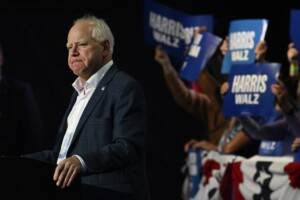
Politics tamfitronics Minnesota Gov. Tim Walz attends a rally in Asheville, North Carolina, on Sept. 17. Minnesota led the way on in...
TAMFIS NIG LTD
Electrical and instrumentation engineering, bid preparation and consulting, IT and software.