
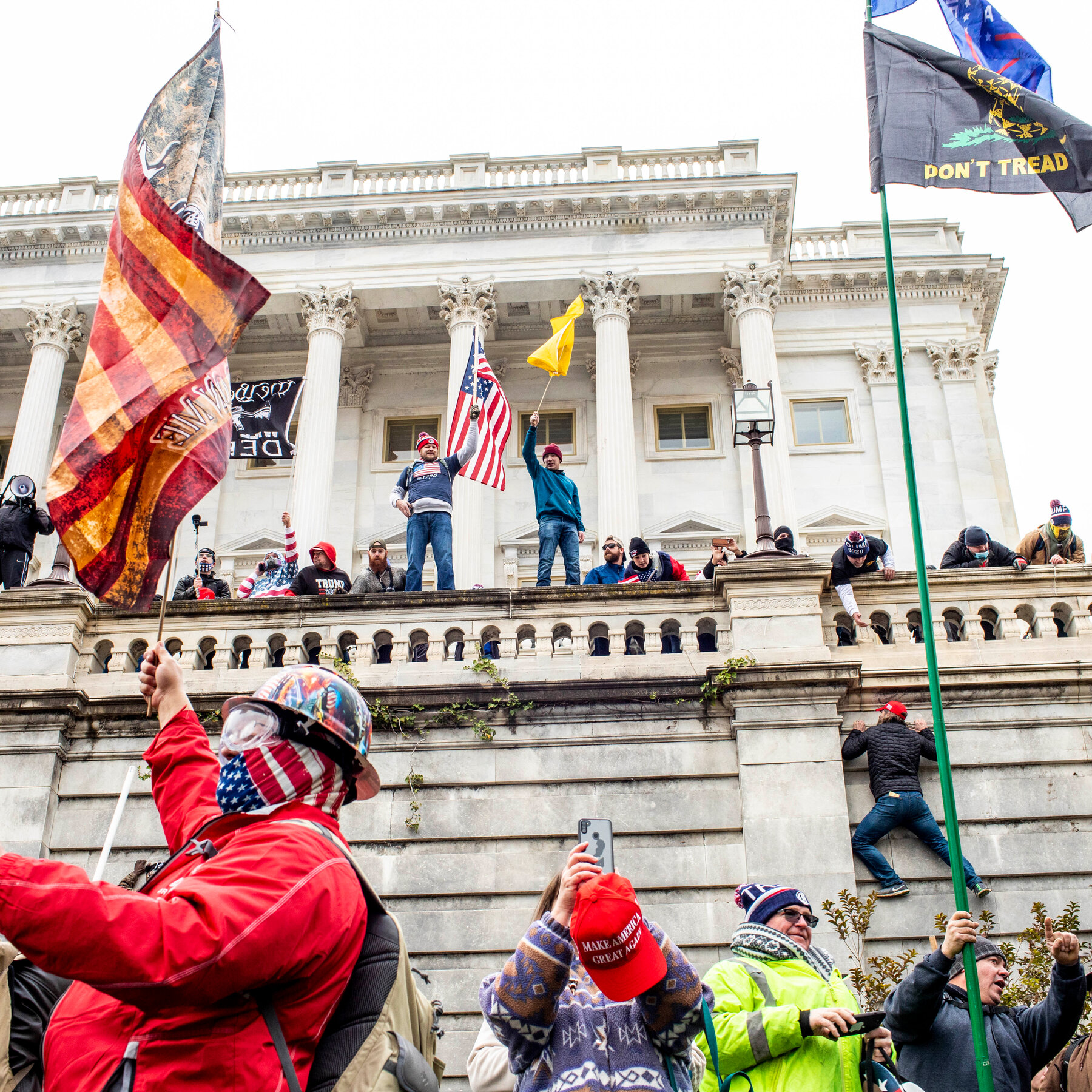
The dismissal of charges against members of the Oath Keepers militia involved in the January 6 Capitol breach has stirred significant controversy and reflection within the judicial system. Judge Amit P. Mehta, presiding over the case, openly expressed his dismay at the Department of Justice’s decision to seek dismissal, underscoring the complex interplay between legal procedures and the pursuit of justice in politically charged cases. This article explores the circumstances surrounding the dismissal, the judge’s pointed remarks, and the broader implications for accountability in the aftermath of the Capitol attack.
Background: The Oath Keepers and January 6 Charges
The Oath Keepers, a far-right militia group, were among the most prominent defendants charged in connection with the January 6, 2021, attack on the U.S. Capitol. Members faced serious allegations including conspiracy and obstruction of an official proceeding, reflecting their alleged coordinated efforts to disrupt the certification of the 2020 presidential election results.
Federal prosecutors pursued these charges vigorously, viewing the Oath Keepers as central figures in orchestrating and executing the violent breach. The case was widely regarded as a critical test of the justice system’s ability to hold accountable those involved in the unprecedented assault on American democracy.
The Oath Keepers’ involvement was characterized by coordinated planning and armed presence, which prosecutors argued elevated the threat posed during the Capitol attack. Their actions were scrutinized as part of a broader effort to undermine the democratic process, making the case a focal point of national attention.
The Judge’s Reaction to the Dismissal Request
Judge Amit P. Mehta’s decision to grant the dismissal came with an unusual and pointed critique of the prosecution’s request. He described the dismissal as conferring “unearned grace” on the defendants, effectively erasing their criminal records without the defendants having to face a verdict or serve sentences.
His remarks conveyed a deep sense of frustration, highlighting the tension between judicial responsibilities and prosecutorial discretion. The judge’s comments suggest a belief that the dismissal undermines the broader goals of justice and accountability in this high-profile case.
Judge Mehta's candid expression of regret is notable because judges typically refrain from publicly criticizing prosecutorial decisions, especially when granting motions that favor the defense. His remarks underscore the gravity with which he viewed the charges and the potential impact of their dismissal on public perception of justice.
Legal and Procedural Context of the Dismissal
Dismissals of charges, especially in cases involving significant public interest and serious allegations, are uncommon and typically require strong justification. The Department of Justice’s rationale for seeking dismissal in this instance has not been fully detailed in public documents, leaving observers to speculate about the underlying reasons.
Possible factors might include evidentiary challenges, shifting prosecutorial priorities, or strategic decisions related to resource allocation. In some cases, evolving legal interpretations or difficulties in proving conspiracy beyond a reasonable doubt may prompt prosecutors to reconsider pursuing charges.
Regardless, the dismissal raises questions about the consistency and transparency of prosecutorial decisions in politically sensitive cases. The lack of detailed explanation fuels concerns about whether justice is being served or compromised by factors beyond the courtroom.
Implications for Accountability and Public Trust
The dismissal of charges against the Oath Keepers has significant implications for public perception of justice following the January 6 events. For many, it may signal a setback in efforts to hold those responsible for the Capitol attack accountable, potentially eroding trust in the legal system’s impartiality and effectiveness.
Conversely, some legal experts argue that dismissals can be appropriate when evidence is insufficient or when pursuing the case no longer serves the interests of justice. This perspective emphasizes the importance of due process and the avoidance of prosecutorial overreach, even in politically charged cases.
The judge’s pointed criticism highlights the delicate balance between ensuring accountability and respecting legal standards that protect defendants’ rights. Public confidence hinges on transparency and fairness, and decisions that appear to sidestep accountability risk undermining faith in the justice system.
Broader Context: Challenges in Prosecuting January 6 Cases
The Oath Keepers case is one among many prosecutions stemming from the January 6 attack, which has presented unique challenges for the justice system. The sheer number of defendants, the complexity of the events, and the political sensitivities involved have complicated investigations and trials.
Prosecutors have had to navigate issues such as gathering reliable evidence, proving conspiracy beyond a reasonable doubt, and managing public and political pressures. The volume of cases has stretched resources and required prioritization, sometimes resulting in strategic decisions about which cases to pursue vigorously.
The dismissal in this case highlights the difficulties in balancing these factors while striving to deliver justice. It reflects the broader struggle within the justice system to respond effectively to an unprecedented attack on democratic institutions.
Future Outlook and Legal Considerations
Looking ahead, the dismissal sets a precedent that may influence how similar cases are handled. It underscores the necessity for clear prosecutorial strategies and robust evidence to sustain charges in politically sensitive prosecutions.
The judge’s candid comments may also prompt discussions within the Department of Justice and the judiciary about transparency and communication regarding prosecutorial decisions, aiming to maintain public confidence in the rule of law.
Maintaining the integrity of the justice system in the wake of January 6 will require balancing the demands of accountability with adherence to legal standards. The case serves as a reminder of the challenges inherent in prosecuting politically charged events and the importance of judicial oversight.
What this means
The dismissal of charges against the Oath Keepers marks a complex moment in the ongoing legal reckoning with the January 6 Capitol attack. While the judge’s frank expression of disappointment underscores the gravity of the decision, it also highlights the intricate balance between prosecutorial judgment and judicial oversight. Moving forward, transparency and rigorous legal standards will be essential to sustaining public confidence in the justice system’s role in addressing one of the most consequential events in recent American history.
Source: Judge Pained as He Grants Dismissal of Jan. 6 Charges Against Oath Keepers via www.nytimes.com.
This article was curated with AI assistance and reviewed according to Tamfis editorial settings.