
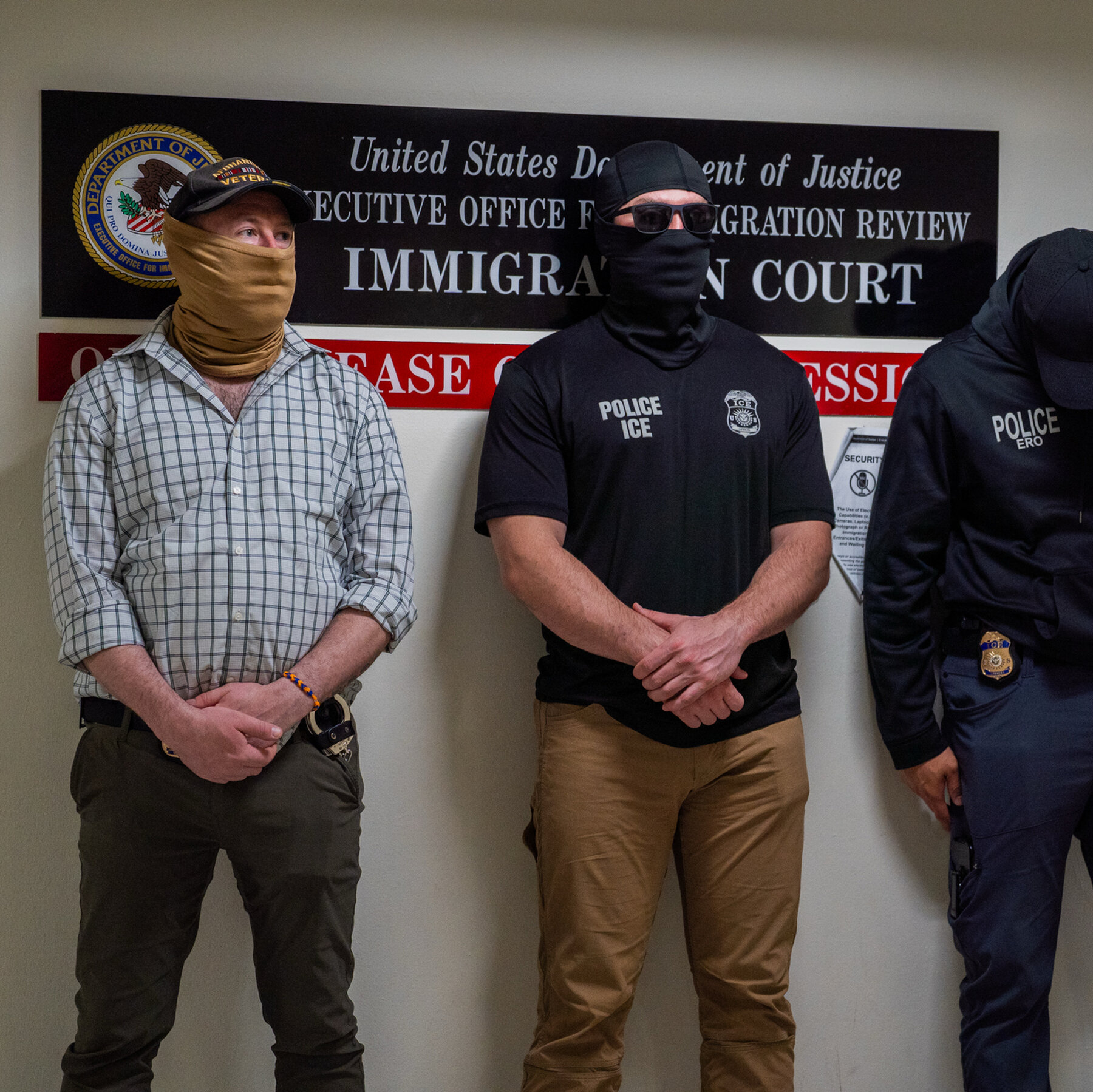
New York State recently enacted legislation aimed at curbing the activities of U.S. Immigration and Customs Enforcement (ICE) agents within its borders. A key provision banned ICE agents from wearing masks during enforcement actions to promote transparency and accountability. However, a federal judge has now blocked this mask ban, raising important questions about the balance between state authority and federal immigration enforcement. Meanwhile, another significant element of the law restricting cooperation between ICE and local police remains intact. This article explores the implications of the judge's ruling, the ongoing tension between state and federal powers, and what this means for immigration enforcement in New York.
Background: New York’s Efforts to Limit ICE’s Presence
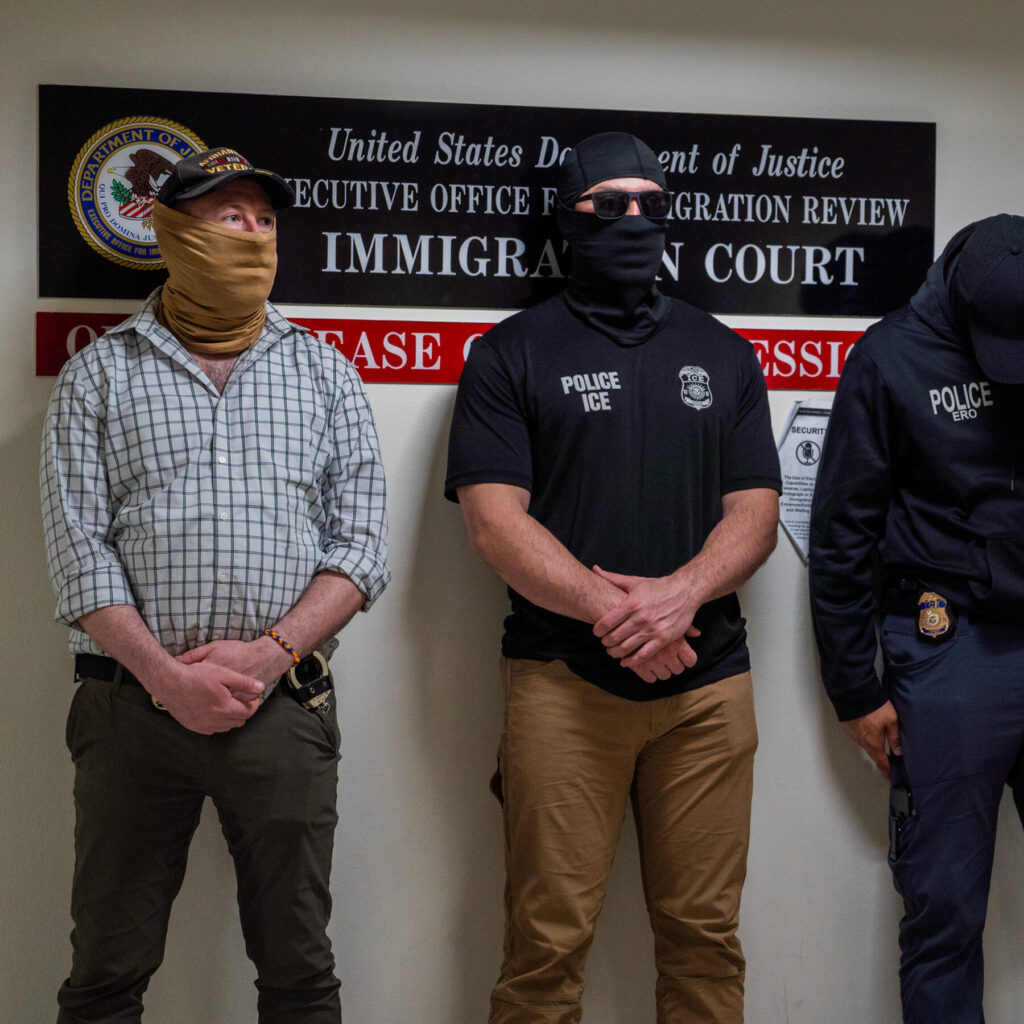
In recent years, New York has taken a more assertive stance against federal immigration enforcement within its jurisdiction. The state legislature passed a law designed to restrict ICE’s operational practices, specifically targeting the use of masks by agents during enforcement actions. The rationale behind this provision was to increase transparency and prevent intimidation tactics that could deter community cooperation or create fear among immigrant populations.
Additionally, the law sought to sever formal cooperation between ICE and local law enforcement agencies. This move aimed to prevent local police from acting as extensions of federal immigration enforcement, thereby fostering trust between immigrant communities and local authorities. By limiting such cooperation, New York intended to ensure that immigrant residents feel safe reporting crimes and engaging with local police without fear of immigration consequences.
The Judge’s Ruling: Blocking the Mask Ban
A federal judge recently issued a ruling that temporarily blocks the enforcement of the mask ban on ICE agents. The judge’s decision was grounded in constitutional concerns, particularly regarding federal supremacy and the potential interference with federal immigration enforcement duties.
The ruling underscores that while states have some authority to regulate activities within their borders, they cannot impose restrictions that hinder federal agents’ ability to perform their legally mandated functions. The judge emphasized that the mask ban could impede ICE agents’ operational effectiveness and safety, especially in sensitive enforcement situations where anonymity can be crucial.
This judicial intervention represents a significant setback for New York’s efforts to impose stricter controls on ICE, highlighting the complex legal landscape surrounding immigration enforcement and state-federal relations. It also reflects the courts’ recognition of the federal government’s broad authority over immigration enforcement methods, limiting state attempts to regulate these federal operations.
Partial Victory: Ban on ICE-Local Police Cooperation Continues
While the mask ban has been blocked, the judge allowed the provision prohibiting formal cooperation between ICE and local police to remain in effect. This means that local law enforcement agencies in New York are still barred from collaborating directly with ICE on immigration enforcement activities.
This aspect of the law is viewed as a crucial measure to protect immigrant communities from potential overreach and to maintain the separation between local policing and federal immigration priorities. Advocates argue that such cooperation can erode trust in local police, discouraging immigrants from reporting crimes or cooperating in investigations.
The continuation of this ban underscores the judiciary’s recognition of states’ rights to regulate local law enforcement practices, even when those practices intersect with federal immigration enforcement. It reflects an understanding that local police have a distinct role focused on community safety, which can be compromised by entanglement in federal immigration enforcement.
Implications for Immigration Enforcement and Community Relations
The judge’s ruling illustrates the ongoing tension between state efforts to protect immigrant communities and the federal government’s mandate to enforce immigration laws. By blocking the mask ban, the court has reaffirmed the federal government’s broad authority over immigration enforcement methods.
However, by allowing the ban on local police cooperation to stand, the court has acknowledged the importance of maintaining community trust in local law enforcement. This balance reflects the complexity of immigration enforcement in diverse states like New York, where large immigrant populations coexist with strong local governance.
For immigrant communities, the ruling is a mixed outcome. The mask ban’s blockage may be seen as a loss in terms of transparency and accountability, but the continued restriction on local police collaboration with ICE provides some reassurance that local authorities will not be directly involved in immigration enforcement actions. This distinction is vital for fostering safer community relations and encouraging cooperation with local law enforcement.
Legal and Political Context Moving Forward
This case is emblematic of broader national debates over the limits of state power in regulating federal immigration enforcement. Similar laws and policies have been enacted or proposed in other states, often leading to legal challenges that test the boundaries of federalism.
Politically, New York’s stance reflects its progressive approach to immigration issues, aiming to shield immigrant communities from aggressive federal enforcement tactics. The mixed judicial outcomes highlight the challenges states face in crafting legislation that withstands constitutional scrutiny.
Future legal battles are likely as states continue to navigate the complex interplay between protecting residents and respecting federal authority. The evolving judicial interpretations will shape the landscape of immigration enforcement and community relations for years to come, influencing how states balance local priorities with federal mandates.
What this means
New York’s recent legislation aimed at curbing ICE’s enforcement tactics has faced a significant legal challenge with the blocking of the mask ban. While this ruling limits the state’s ability to impose certain restrictions on federal agents, the continued prohibition on cooperation between ICE and local police represents a partial victory for advocates of immigrant protections. This legal development underscores the ongoing struggle to balance federal immigration enforcement with state and local priorities, particularly in states with large immigrant populations. As legal and political debates continue, the outcome of this case will likely influence future policies and the relationship between immigrant communities, local authorities, and federal agencies.
Source: N.Y. Law Barring ICE Agents From Wearing Masks Is Blocked by Judge via www.nytimes.com.
This article was curated with AI assistance and reviewed according to Tamfis editorial settings.