
Business
Nigeria’s Broken Systems: Why Failure Persists and What Must Change
An analysis of the structural and institutional factors that entrench governance failures in Nigeria, from patronage politics and weakened oversight to the urgent need…
TAMFIS NIG LTDRC 8067447CAC ACTIVEFinima, Bonny Island, Rivers State

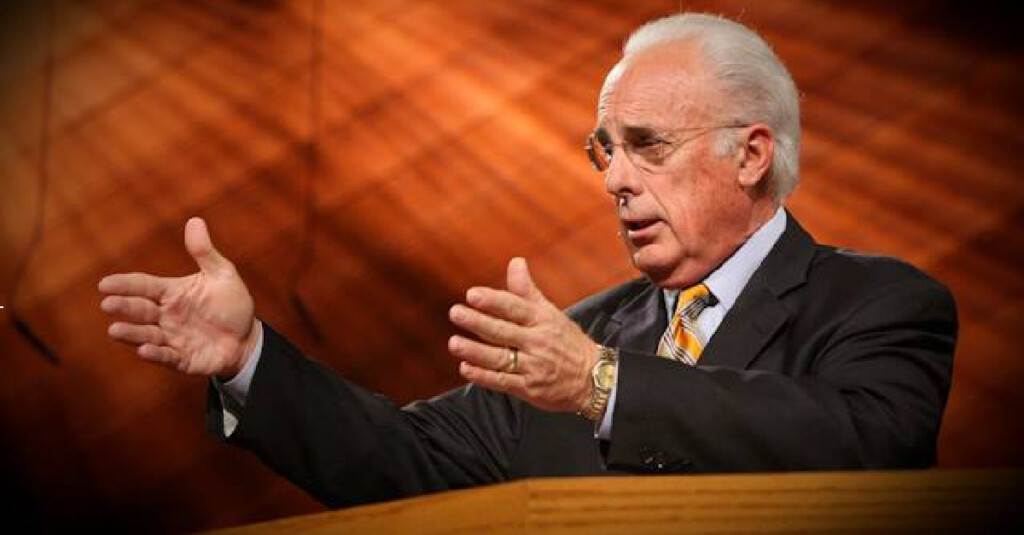
In a recent candid interview, Pastor John MacArthur, a respected voice in evangelical circles and pastor of Grace Community Church, addressed the pressing issues facing America today. With the nation grappling with political division and moral challenges, MacArthur framed these struggles through a biblical lens, suggesting that America may be experiencing divine judgment due to widespread rejection of Scripture. He cautioned against placing hope solely in political figures like Donald Trump or Joe Biden, instead urging a spiritual revival rooted in the gospel. This article explores MacArthur’s insights on America’s moral decay, divine sovereignty, political implications, and the critical role of the church in leading a transformative turnaround.
John MacArthur begins his analysis with a firm belief in God’s sovereignty over all events, including the political and social upheavals in America. He stresses that despite the apparent chaos and moral decline, God remains in control, setting boundaries even for the devil’s influence. This theological foundation is crucial for interpreting the nation’s challenges as part of a divine plan rather than mere coincidence or political failure.
MacArthur reminds listeners that the devil operates within limits ordained by God, and the current state of the nation reflects a broader spiritual reality. He views America’s troubles not just as political or cultural issues but as symptoms of a society that has turned away from biblical principles. This perspective encourages believers to see beyond immediate events and understand the deeper spiritual dynamics at play.
By framing America’s crisis as a manifestation of divine sovereignty, MacArthur calls for humility and spiritual reflection. He warns against simplistic solutions that ignore the root causes—namely, the nation’s rejection of God’s moral standards. This approach challenges Christians to reconsider their role in addressing the country’s decline.
Central to MacArthur’s message is the church’s failure to uphold and proclaim biblical truth in a culture increasingly hostile to Scripture. He argues that America’s moral decay stems from the church’s compromise and desire to conform to societal expectations rather than standing firm on gospel principles. This failure has diminished the church’s influence and allowed sin to flourish unchecked.
MacArthur highlights specific areas of moral decline, including sexual immorality and the acceptance of behaviors condemned in Scripture, such as homosexual immorality. He references Romans 1 to explain how God ‘gives up’ a society when it persistently rejects His standards, resulting in a ‘reprobate mind’ and societal consequences.
The pastor urges the church to reclaim its biblical mandate by boldly preaching the gospel and calling people to repentance. Without this spiritual awakening, MacArthur warns that America’s downward trajectory will continue, as political solutions alone cannot address the heart of the problem.
MacArthur directly associates Joe Biden’s political stance, particularly on abortion and LGBTQ+ issues, with the biblical concept of divine judgment. He suggests that Biden’s policies reflect the consequences of a society that has embraced moral relativism and rejected biblical morality.
According to MacArthur, Biden’s presidency exemplifies what happens when a nation follows the path described in Romans 1, where God ‘gives them over’ to their sinful desires. This is not merely political commentary but a theological interpretation of current events as evidence of God’s judgment.
While critical of Biden’s policies, MacArthur emphasizes that this situation is part of a larger divine purpose, intended to awaken the church and the nation to the urgent need for repentance and spiritual renewal. He calls for believers to respond not with despair but with a commitment to gospel proclamation.
Addressing the role of Donald Trump in America’s political landscape, MacArthur offers a nuanced view. He acknowledges that Trump’s presidency represented a positive shift in some moral and policy areas, describing it as a possible ‘brake’ on the nation’s rapid moral decline.
However, MacArthur cautions against viewing Trump as a solution to America’s deeper spiritual problems. He insists that political figures, regardless of their intentions or policies, cannot bring lasting change without a corresponding spiritual revival.
The pastor stresses that relying on political leaders alone risks neglecting the true source of transformation—the gospel. While political engagement matters, it should not eclipse the church’s primary mission of changing hearts through Christ.
MacArthur’s core message is that the gospel remains the only powerful means to restore America’s moral and spiritual health. He emphasizes that cultural or political reform without a change of heart is ultimately futile.
He explains that the gospel transforms individuals from the inside out, leading to changed families, communities, and ultimately, nations. This spiritual transformation is the foundation for any genuine societal renewal.
MacArthur calls on the church to reclaim its role as the bearer of this transformative message. He urges believers to focus on gospel proclamation and discipleship rather than political activism alone, highlighting that only through Christ can true revival occur.
MacArthur places significant responsibility on the church for America’s current state, criticizing its failure to stand firm in biblical truth. He argues that many churches have compromised their message to gain social acceptance, thereby losing their prophetic voice.
This failure has contributed to the nation’s moral decline, as the church has not effectively challenged sin or called people to repentance. MacArthur urges churches to return to biblical preaching and teaching, prioritizing the gospel above cultural relevance.
He envisions a renewed church that boldly confronts sin and proclaims Christ as the only hope. This revival within the church, he believes, is essential for reversing America’s course and experiencing God’s blessing once again.
While recognizing the importance of political policies, MacArthur warns against allowing politics to overshadow the church’s spiritual mission. He acknowledges that Christians should care about righteousness and public policy but insists that gospel proclamation must remain paramount.
MacArthur encourages believers to participate in the political process with discernment, understanding that no political leader or party can fully restore America. Instead, the focus should be on changing hearts through the gospel, which ultimately shapes culture and policy.
This balanced approach calls for active citizenship informed by biblical values, coupled with an unwavering commitment to evangelism and discipleship. MacArthur’s vision is a church that influences society not merely through politics but by transforming lives.
Despite the sobering assessment of America’s spiritual condition, MacArthur offers hope grounded in God’s mercy and the power of the gospel. He believes that divine judgment is not the final word if the nation and church respond with genuine repentance.
He calls for a widespread spiritual awakening that begins with individuals turning to Christ and extends to families and communities. This revival, MacArthur asserts, can halt the nation’s decline and restore God’s favor.
Ultimately, MacArthur’s message is one of sober realism paired with confident hope. Though America faces significant challenges, the transformative power of the gospel provides a path to redemption and renewal.
John MacArthur’s reflections provide a compelling biblical framework for understanding America’s current political and moral turmoil. His emphasis on divine sovereignty and judgment challenges Christians to look beyond political partisanship and recognize the deeper spiritual crisis facing the nation. While acknowledging the significance of political developments, MacArthur insists that only a gospel-centered revival can restore America’s moral foundation. The church must reclaim its prophetic voice and prioritize transforming hearts through Christ. In doing so, there remains hope that America can experience renewal and divine blessing once again, proving that true change always begins with the gospel.
Originally reported by crosswalk.com. Adapted for our readers.
Keep reading
Business
An analysis of the structural and institutional factors that entrench governance failures in Nigeria, from patronage politics and weakened oversight to the urgent need…
Lifestyle
Obi says his wife funds her own purchases. This analysis separates his explanation, unverified handbag prices and the evidence needed to assess public spending.
Politics
Yari says the APC will emphasise Tinubu’s achievements in 2027. This analysis explains how voters can examine outcomes, baselines and campaign evidence.
TAMFIS NIG LTD
Electrical and instrumentation engineering, bid preparation and consulting, IT and software.

