
Business
Nigeria’s Broken Systems: Why Failure Persists and What Must Change
An analysis of the structural and institutional factors that entrench governance failures in Nigeria, from patronage politics and weakened oversight to the urgent need…
TAMFIS NIG LTDRC 8067447CAC ACTIVEFinima, Bonny Island, Rivers State

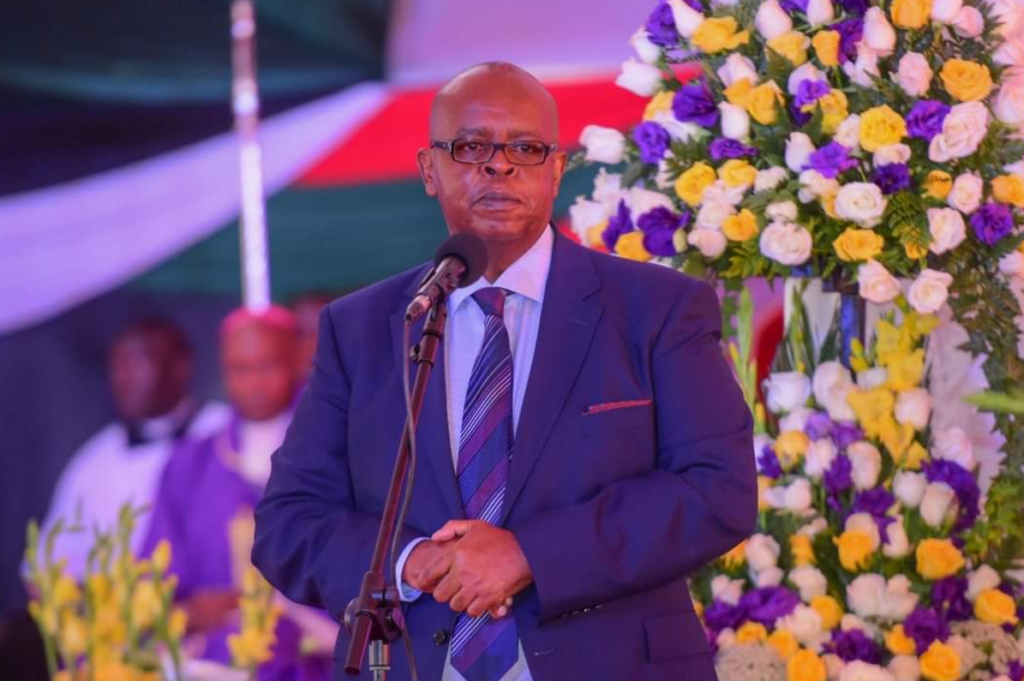
In a remarkable turn of events, Jimmy Kibaki, son of Kenya’s former President Mwai Kibaki, has reentered the political arena as the deputy leader of the New Democrats party. After a brief hiatus to attend to family and business matters, his return signals renewed vigor within a political family renowned for shaping Kenya’s democratic journey. Coinciding with this comeback, the Registrar of Political Parties announced that the United Democratic Alliance (UDA) and the Orange Democratic Movement (ODM) will share a substantial Political Parties Fund totaling Sh856 million. This article delves into the implications of Jimmy Kibaki’s return and the financial boost to Kenya’s leading political parties, exploring the broader impact on the country’s political dynamics.
Jimmy Kibaki’s decision to reengage in active politics after a short break has stirred considerable interest across Kenya’s political spectrum. Having resigned in May 2024 to focus on pressing family and business commitments, his swift return as deputy leader of the New Democrats party signifies a strategic move to maintain the Kibaki family’s political legacy. The Gazette notice issued by the Registrar of Political Parties formally reinstates him, underscoring his importance in the party’s leadership structure.
His comeback also reflects a broader narrative of political resilience and determination within Kenya’s political families. Jimmy’s association with the New Democrats party positions him as a key player capable of influencing political discourse and party dynamics. The timing of his return, coinciding with significant funding announcements, suggests an intent to leverage financial and organizational resources to advance his political agenda.
Moreover, Jimmy’s reentry into political leadership comes at a time when Kenya’s political landscape is increasingly competitive. With major parties consolidating power and resources, his role within the New Democrats could offer a fresh alternative or reinforce existing political alliances. This move highlights the enduring influence of political dynasties in shaping Kenya’s governance and policy direction.
The New Democrats party has undergone notable leadership changes alongside Jimmy Kibaki’s reinstatement. The Registrar of Political Parties’ notice also named Daniel Musembi as Secretary-General, Simon Ngunjiri as Deputy Secretary-General, and Daniel Kipkorir as Deputy Treasurer. These appointments indicate a strategic restructuring aimed at enhancing the party’s operational efficiency and political outreach.
This leadership reshuffle reflects the party’s ambition to solidify its presence in Kenya’s multiparty system. By integrating experienced politicians and fresh faces, the New Democrats are positioning themselves to be a formidable force in upcoming elections. The party’s focus appears to be on strengthening internal cohesion and expanding its grassroots support base.
Jimmy Kibaki’s leadership role is pivotal in steering this vision forward. His political experience, combined with the new leadership team’s dynamism, could enable the New Democrats to craft policies that resonate with a broad spectrum of Kenyan voters. This restructuring may also be a response to the challenges posed by dominant parties such as UDA and ODM.
Jimmy Kibaki is widely regarded as the political heir to his father, Mwai Kibaki, who served as Kenya’s President from 2002 to 2013. Mwai Kibaki’s tenure was marked by significant economic reforms and infrastructure development, setting a benchmark for leadership in the country. Jimmy’s political journey is closely tied to this legacy, with expectations that he will continue to uphold and expand upon his father’s achievements.
The Kibaki family’s involvement in politics spans decades, contributing to Kenya’s democratic evolution. Jimmy’s active participation in various political initiatives, including the formation of influential parties like the Party of National Unity (PNU), demonstrates a commitment to shaping national policy and governance. His return to politics rekindles hopes among supporters that the family’s tradition of public service will persist.
However, the political environment today is more complex and competitive than during Mwai Kibaki’s era. Jimmy faces the challenge of navigating contemporary issues such as youth unemployment, corruption, and ethnic politics. His ability to adapt and innovate will be crucial in maintaining the Kibaki family’s relevance in Kenya’s modern political landscape.
On the same day as Jimmy Kibaki’s political resurgence, the Registrar of Political Parties announced that the United Democratic Alliance (UDA) and the Orange Democratic Movement (ODM) will receive a combined total of Sh856 million from the Political Parties Fund. This funding is allocated based on the Political Parties (Funding) Regulations, 2019, and the Political Parties Act, 2011, which aim to support party activities and strengthen democratic processes.
UDA, led by President William Ruto, is set to receive Sh558.5 million, reflecting its current political dominance and parliamentary strength. ODM, under the leadership of Raila Odinga, will pocket Sh316 million. These funds are critical for financing party activities, election campaigns, and voter mobilization efforts, especially as Kenya approaches future electoral cycles.
The distribution of the Political Parties Fund underscores the entrenched dominance of UDA and ODM in Kenya’s political landscape. It also raises questions about resource allocation fairness and the capacity of smaller parties like the New Democrats to compete effectively. The financial advantage enjoyed by these major parties could influence political pluralism and the competitiveness of elections.
Jimmy Kibaki’s return to a prominent political position is poised to reshape party alliances and strategies ahead of upcoming elections. His leadership within the New Democrats could provide a platform for alternative policies and political discourse, potentially challenging the dominance of UDA and ODM. This development may invigorate Kenya’s multiparty democracy by introducing new competition and ideas.
Furthermore, Jimmy’s comeback may influence voter sentiments, especially among constituencies loyal to the Kibaki legacy. His political experience and family background offer credibility that could attract undecided voters or those disenchanted with existing parties. His role in coalition-building and negotiations could also be pivotal in determining electoral outcomes.
However, the political terrain remains challenging, with ethnic dynamics and resource distribution playing significant roles. Jimmy Kibaki will need to navigate these complexities while building a robust political base. His ability to forge alliances and articulate a compelling vision will determine the extent of his impact on Kenya’s political future.
Despite the promising leadership changes, the New Democrats face significant hurdles in establishing themselves as a major political force. The party must contend with limited resources compared to dominant parties like UDA and ODM, which enjoy substantial funding and widespread grassroots networks. Building visibility and credibility among voters is an ongoing challenge.
Internal cohesion and clear policy articulation are critical for the New Democrats to gain traction. The recent leadership reshuffle aims to address organizational weaknesses, but sustained efforts are necessary to translate structural changes into electoral success. The party must also address national issues that resonate with the electorate, such as economic development, governance, and social justice.
Moreover, the political environment in Kenya is often characterized by intense competition and shifting alliances. The New Democrats will need to strategically position themselves to avoid marginalization. This includes engaging youth and marginalized communities, leveraging digital platforms for outreach, and fostering transparent leadership practices to build trust.
The Registrar of Political Parties plays a crucial role in regulating Kenya’s political landscape. By overseeing party registrations, leadership changes, and funding disbursements, the Registrar ensures compliance with legal frameworks that promote transparency and accountability. The recent Gazette notice exemplifies this regulatory function by formalizing leadership changes within the New Democrats and announcing funding allocations.
This regulatory oversight is vital for maintaining fair competition among political parties. The Political Parties Act and associated regulations provide a structure that supports democratic participation while curbing malpractices. The Registrar’s role in distributing funds based on parliamentary representation helps level the playing field, although debates about funding equity persist.
Transparency in political party operations, including leadership appointments and financial management, is essential for public trust. The Registrar’s announcements contribute to this transparency by keeping the public informed. As Kenya prepares for future elections, the Registrar’s role will remain pivotal in ensuring that political processes adhere to democratic principles and legal standards.
Looking forward, Jimmy Kibaki’s political journey will be closely watched by analysts, supporters, and opponents alike. His ability to leverage his leadership position within the New Democrats and navigate Kenya’s complex political environment will determine his influence on national politics. Success could position him as a key figure in shaping policy and governance reforms.
For UDA and ODM, the substantial financial support from the Political Parties Fund provides a foundation to consolidate their political dominance. However, they must also address growing public demands for transparency, inclusive development, and effective governance. The interplay between these major parties and emerging ones like the New Democrats will define Kenya’s political trajectory.
Ultimately, Kenya’s democracy benefits from vibrant political participation and robust competition. Jimmy Kibaki’s return adds a new dimension to this dynamic, potentially fostering innovation and renewed engagement. As political parties strategize and mobilize resources, the electorate stands to gain from a more responsive and accountable political system.
Jimmy Kibaki’s reentry into Kenyan politics marks a significant development within the country’s evolving political landscape. As the deputy leader of the New Democrats party, his leadership could revitalize the party and offer a meaningful alternative to the dominant UDA and ODM. Meanwhile, the allocation of Sh856 million in political party funding to these major parties underscores the financial realities shaping political competition in Kenya. Moving forward, the interplay between established political giants and emerging contenders like Jimmy Kibaki will be critical in defining Kenya’s democratic future, promising a dynamic and potentially transformative political environment.
Originally reported by pulselive.co.ke. Adapted for our readers.
Keep reading
Business
An analysis of the structural and institutional factors that entrench governance failures in Nigeria, from patronage politics and weakened oversight to the urgent need…
Politics
Yari says the APC will emphasise Tinubu’s achievements in 2027. This analysis explains how voters can examine outcomes, baselines and campaign evidence.
Lifestyle
Obi says his wife funds her own purchases. This analysis separates his explanation, unverified handbag prices and the evidence needed to assess public spending.
TAMFIS NIG LTD
Electrical and instrumentation engineering, bid preparation and consulting, IT and software.

