
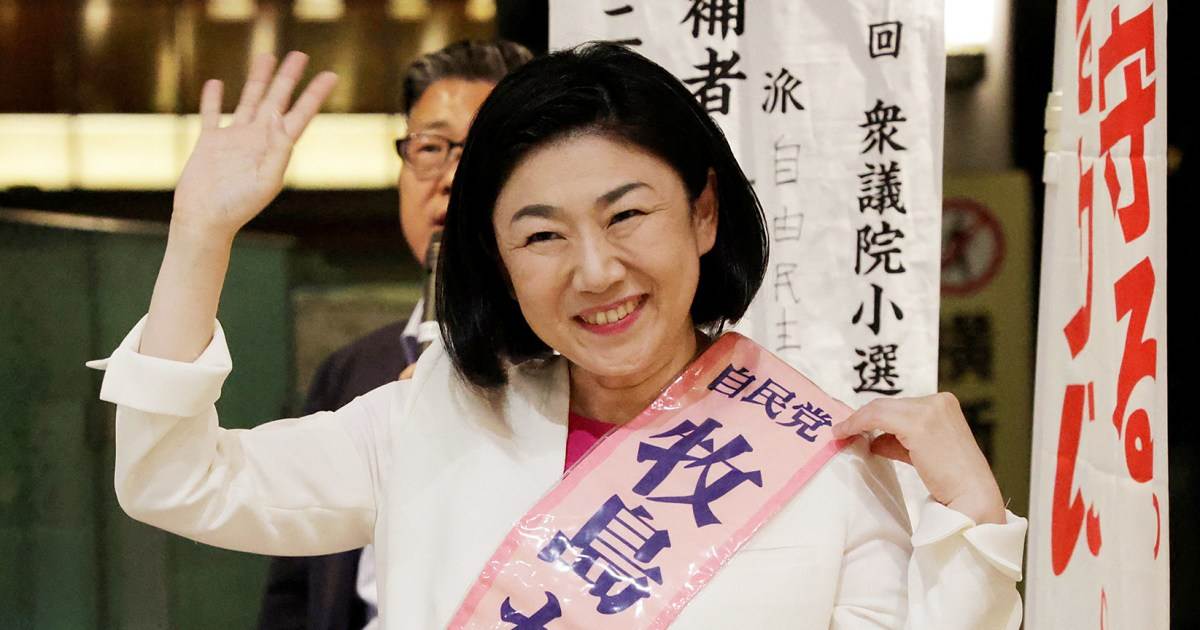
Japan faces a persistent gender gap in politics, with women significantly underrepresented in the nation’s legislature despite ongoing promises for reform. As the October 27 general election approaches, the ruling Liberal Democratic Party (LDP) and opposition parties have fielded a record number of female candidates, yet the progress remains modest at best. The country grapples with deep-rooted societal attitudes, political party dominance, and structural barriers that impede women’s political participation. This article delves into the current landscape of gender inequality in Japanese politics, the challenges faced by female candidates, party initiatives, and the broader implications for Japan’s democratic governance.
Current Landscape of Female Political Representation in Japan
Japan’s political arena remains overwhelmingly male-dominated, with women occupying just over 10% of the seats in the lower house of the Diet. This figure falls far behind other advanced democracies, especially among the Group of Seven (G7) nations, where the average female representation hovers around 30%. The 2024 World Economic Forum’s gender gap report ranked Japan 118th out of 146 countries, highlighting the severity of the imbalance.
The upcoming general election on October 27 will see a record number of female candidates, comprising roughly 20% of all contenders, yet this remains insufficient to meet the government’s target of 35% female lower house candidates by 2025. The ruling Liberal Democratic Party (LDP) has fielded only 16% women candidates, trailing behind the opposition Constitutional Democratic Party of Japan (CDPJ), which has 22%. These numbers underscore the slow pace of change in Japan’s political gender dynamics.
Despite increased female participation, the number of women actually winning seats has not risen proportionally. Many female candidates face significant challenges during campaigns, including societal skepticism about women’s suitability for the demanding and often abrasive nature of Japanese politics.
Challenges Faced by Women in Japanese Politics
One of the most significant barriers women face in Japanese politics is societal attitudes rooted in traditional gender roles. Many voters and political insiders still perceive politics as a male domain, with long working hours and confrontational campaigning seen as unsuitable for women. Female candidates often have to overcome stereotypes that question their capability to handle political responsibilities.
Balancing political careers with family obligations is another major hurdle. Japan’s societal expectations around child-rearing and domestic duties disproportionately fall on women, making it difficult for many female politicians to manage both effectively. This imbalance discourages many women from pursuing or sustaining political careers.
Harassment and discrimination further compound these challenges. Surveys indicate that nearly 60% of female politicians at the local level have experienced harassment from colleagues or the public, compared to just one-third of men. Incidents such as campaign signs being vandalized and sexist remarks during public interactions are common, creating a hostile environment that discourages female participation.
Political Parties’ Approaches to Gender Equality
The ruling Liberal Democratic Party (LDP) has acknowledged the gender gap but has been criticized for its cautious and incremental approach. While the party has set a target of 30% female lawmakers by 2033, critics argue that it lacks concrete measures such as gender quotas to accelerate progress. The LDP’s candidate selection often favors incumbents, which limits opportunities for new female entrants.
In contrast, the opposition Constitutional Democratic Party of Japan (CDPJ) has fielded a higher proportion of female candidates and has voiced stronger commitments to gender equality. The CDPJ’s shadow cabinet, for example, includes eight women compared to just two in the newly formed LDP cabinet, signaling a clearer prioritization of gender parity.
Some LDP members, including former defense minister Tomomi Inada, have called for bolder strategies like gender quotas or detailed roadmaps to meet gender targets. However, the party’s official stance remains opposed to quotas, emphasizing the need for societal attitude shifts rather than imposed candidate ratios.
Societal Attitudes and Their Impact on Female Political Participation
Deep-seated cultural norms in Japan continue to define gender roles rigidly, often relegating women to domestic and caregiving responsibilities while men dominate public and political spheres. These societal expectations influence voter behavior and party candidate selection, reinforcing the male-dominated status quo in politics.
Public opinion surveys reveal persistent skepticism about women’s suitability for political leadership, often citing perceptions that women lack the stamina or assertiveness required for political life. This skepticism discourages women from entering politics and affects their campaign support.
Efforts to change these societal attitudes have been slow and face resistance from conservative segments of society. The LDP itself has noted that political reforms must be accompanied by broader shifts in public perceptions, underscoring the complex interplay between culture and political representation.
Impact of Gender Gap on Policy and Governance
The underrepresentation of women in Japan’s legislature has tangible consequences for policy development and governance. Female lawmakers bring diverse perspectives and priorities, particularly on issues such as childcare, gender equality, healthcare, and social welfare, which are often underrepresented in male-dominated parliaments.
A low number of female legislators perpetuates traditional policymaking that may overlook or inadequately address the needs of women and families. This gap slows progress on social reforms and gender-sensitive legislation, affecting broader societal equality.
Moreover, the visibility of women in politics serves as an important symbol and catalyst for change. When female politicians are scarce, it reinforces stereotypes and discourages political engagement from younger generations of women, creating a cycle of underrepresentation.
Recent Developments and International Perspectives
Japan’s gender gap in politics has attracted international attention and criticism, particularly as it contrasts with other advanced democracies. The country’s low ranking in global gender gap reports has become a source of embarrassment and pressure for reform.
The recent appointment of only two women in Prime Minister Shigeru Ishiba’s new cabinet was seen by rights groups as a regression in gender parity efforts. In contrast, opposition parties and civil society organizations continue to push for greater female representation and more aggressive policy measures.
International bodies, including the G7, have highlighted Japan’s lagging progress and encouraged the government to adopt more proactive strategies. These external pressures add to domestic calls for change but have yet to translate into decisive political action.
Prospects and Recommendations for Closing the Gender Gap
To close the gender gap in Japanese politics, experts suggest a multi-faceted approach combining political party reforms, societal attitude shifts, and supportive policies. Introducing gender quotas or candidate targets with enforcement mechanisms could accelerate female representation in the Diet.
Political parties need to actively recruit, support, and promote female candidates, including providing resources for campaigning and addressing harassment. Encouraging incumbents to step aside in favor of new female politicians could also improve candidate diversity.
Broader societal education campaigns to challenge gender stereotypes and promote work-life balance reforms are essential to create an environment conducive to women’s political participation. Addressing harassment and discrimination through legal and institutional measures is equally critical.
Voices from Female Politicians and Advocates
Karen Makishima, the only female candidate for the LDP in her prefecture, highlights the uphill battle women face in gaining acceptance in politics. She points to societal perceptions that politics is unsuitable for women as a significant barrier to increasing female representation.
Harumi Yoshida, shadow minister for gender equality in the CDPJ, recounts experiences of harassment and discrimination during campaigns, emphasizing the hostile environment confronting many female politicians. She advocates for stronger protections and cultural change to support women in politics.
Former defense minister Tomomi Inada calls for realistic and concrete plans, including gender quotas, to meet gender targets. Her stance reflects a growing recognition within some LDP ranks that incremental measures are insufficient to close the persistent gender gap.
Conclusion
Japan’s effort to narrow the gender gap in politics remains tepid as the October general election approaches. Despite record numbers of female candidates and party targets, entrenched societal attitudes, structural barriers, and cautious political party strategies continue to limit progress. Achieving gender parity will require more than incremental promises; it demands bold reforms such as enforceable gender quotas, active recruitment of women candidates, and a cultural shift to challenge traditional gender roles. Without these changes, Japan risks falling further behind its peers and missing an opportunity to enrich its democracy through diverse representation.