Politics
How Minnesota Figures Into the Presidential Politics of Insulin Prices
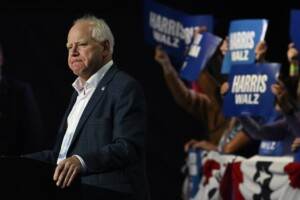
Politics tamfitronics Minnesota Gov. Tim Walz attends a rally in Asheville, North Carolina, on Sept. 17. Minnesota led the way on in...
TAMFIS NIG LTDRC 8067447CAC ACTIVEFinima, Bonny Island, Rivers State

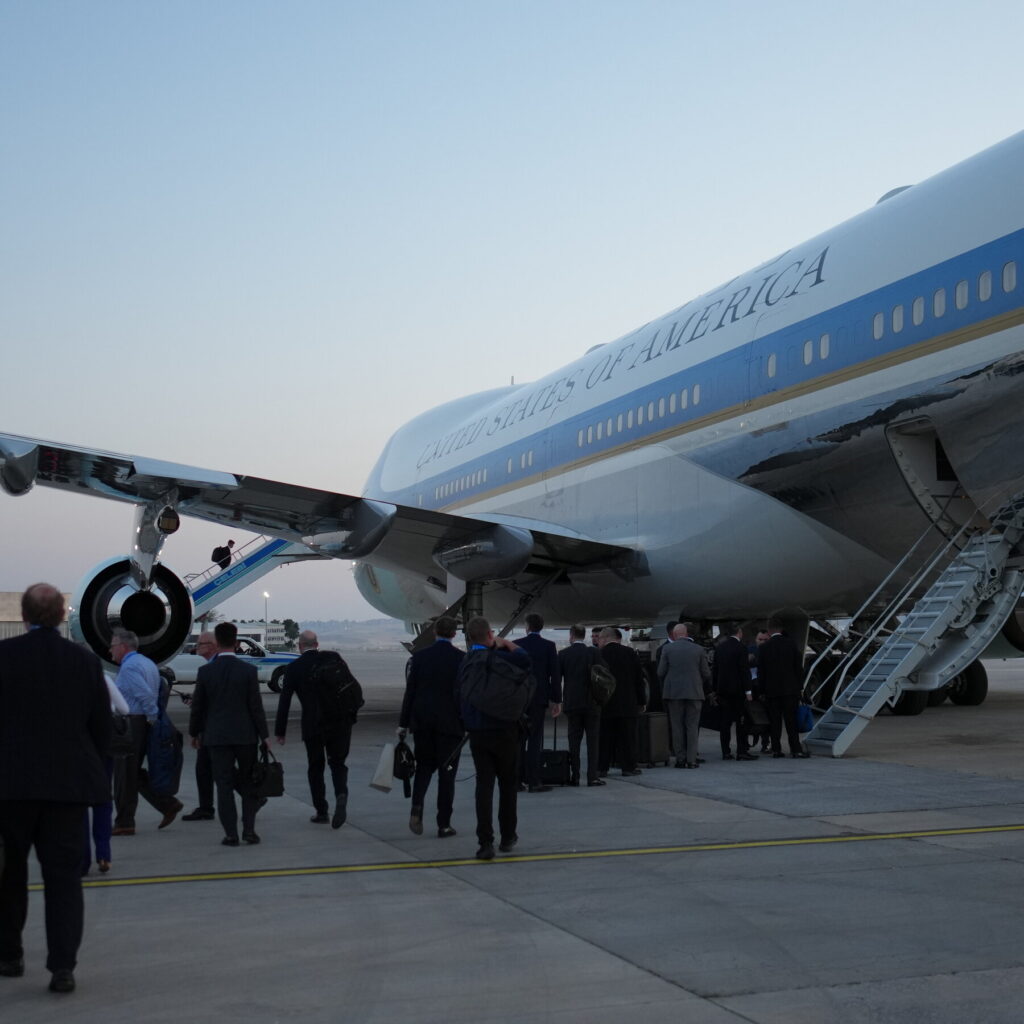
In an extraordinary and covert operation, President Trump was discreetly removed from Air Force One during a recent trip to Ankara, Turkey, after credible intelligence suggested a serious threat to the presidential aircraft. Rather than grounding the plane, the government proceeded to send Air Force One into the skies with a group of senior officials, government employees, reporters, and military personnel onboard, effectively using the aircraft as a flying decoy. This unprecedented move has sparked debate about the balance between presidential security and the safety of others on board, as well as the secrecy surrounding such operations.
U.S. officials assessed a significant threat to Air Force One during President Trump’s visit to Ankara, Turkey, concluding that Iranian forces might attempt to shoot down the presidential plane. In response, security personnel orchestrated a covert evacuation of the president, hiding him inside a catering container to discreetly remove him from the aircraft. This secretive measure ensured the president’s safety without alerting potential adversaries to the change.
Despite the grave threat, Air Force One took off as planned, carrying a full complement of senior officials, including Secretary of State Marco Rubio, Treasury Secretary Scott Bessent, and senior aides such as Stephen Miller and Steven Cheung. Many aboard were reportedly unaware that the president was not on the plane, effectively making them unwitting decoys in a high-stakes security gambit.
The U.S. government has a history of employing elaborate security measures to protect presidents during visits to dangerous regions. For example, during the Iraq war, both George W. Bush and Barack Obama traveled under heavy protection, and Bill Clinton’s brief visit to Pakistan involved extensive security planning due to the region’s terrorism risks.
However, the Ankara operation stands out for its use of misdirection and the apparent willingness to place others at risk to safeguard the president. Joe Lockhart, who served as White House press secretary under Clinton, noted that previous administrations prioritized the safety of all passengers, especially civilians, to avoid using them as human shields. The Trump administration’s approach, by contrast, seemed to prioritize the president’s safety above all else, even if it meant exposing others to danger.
The decision to send Air Force One into the air without the president raises important ethical questions about the responsibility of protecting all individuals aboard, not just the commander-in-chief. Critics argue that knowingly placing senior officials and staff in harm’s way without their informed consent challenges established norms of leadership and duty of care.
Supporters of the operation, including Joseph W. Hagin, a former deputy White House chief of staff under Trump and a top adviser to George W. Bush, emphasize the inherent risks accepted by those who work closely with the president. Hagin suggests that revealing the true nature of the operation could have compromised the president’s safety, and that the risks taken by the officials aboard were part of their professional responsibilities.
This perspective highlights the tension between transparency and operational security in high-risk scenarios, where secrecy can be essential but may also lead to difficult moral trade-offs.
The Ankara incident may prompt a reevaluation of presidential security protocols, particularly concerning the use of decoys and the communication of risk to those involved. Traditionally, protecting the president has involved minimizing risk to all personnel, but this event suggests a shift toward more aggressive tactics that prioritize the president’s safety above all else.
Such tactics could have long-term consequences for morale and trust among senior officials and staff, who may feel expendable or inadequately informed about the dangers they face. The secrecy surrounding the operation also raises questions about accountability and oversight in presidential security decisions.
Going forward, security agencies might need to balance the necessity of secrecy with ethical considerations and the duty to protect all individuals involved in presidential travel.
News of the secret evacuation and decoy operation has generated mixed reactions. Some view it as a pragmatic and necessary response to a credible threat, demonstrating the lengths to which the government will go to protect the president.
Others criticize the apparent disregard for the safety of others on board and the lack of transparency. Comparisons to previous administrations’ handling of similar threats have fueled debates about leadership styles and priorities within the White House security apparatus.
The incident also underscores the ongoing geopolitical tensions in the region, particularly the fraught relationship between the U.S. and Iran, which continues to influence security considerations for American officials abroad.
The secret evacuation of President Trump from Air Force One and the use of the plane as a decoy represent a rare and controversial chapter in presidential security history. While the operation successfully safeguarded the president from a credible threat, it also exposed senior officials and staff to potential danger without their knowledge. This approach, unprecedented in its degree of misdirection, raises important ethical and operational questions about how best to protect national leaders while respecting the safety and dignity of all involved. As security challenges evolve, so too must the protocols and principles guiding these high-stakes decisions, ensuring that the imperative to protect does not come at an unacceptable cost.
Originally reported by nytimes.com. Adapted for our readers with AI assistance.
Keep reading
Politics
Politics tamfitronics Minnesota Gov. Tim Walz attends a rally in Asheville, North Carolina, on Sept. 17. Minnesota led the way on in...
Politics
Deji Adeyanju; Niger State Mining Victims Human rights lawyer and activist, Deji Adeyanju, has accepted his appointment as a member of the Federal Government’s…
Politics
Democracy, Featured, Global, Global Governance, Headlines, International Justice, IPS UN: Inside the Glasshouse, TerraViva United Nations UNITED NATIONS, Sep 11 2026 (IPS) – When…
TAMFIS NIG LTD
Electrical and instrumentation engineering, bid preparation and consulting, IT and software.