Politics
Science vs politics: Kiwi’s long road to EU health-claim approval
In August 2025, Zespri, the world’s largest marketer of kiwifruit, announced that the European Commission had approved what it described as the first health…
TAMFIS NIG LTDRC 8067447CAC ACTIVEFinima, Bonny Island, Rivers State

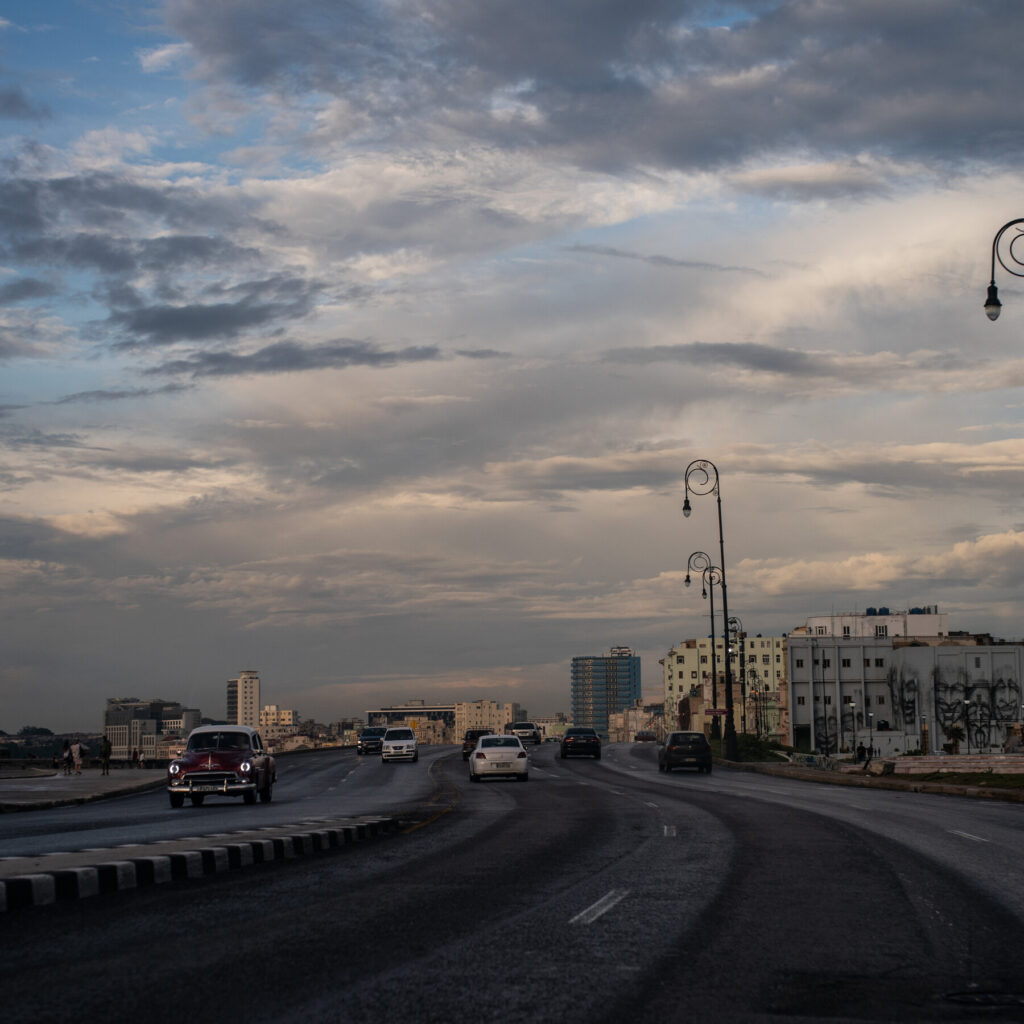
In response to escalating tensions between the United States and Cuba, the Central Intelligence Agency (CIA) has formed a specialized task force dedicated exclusively to the island nation. This covert unit is designed to enhance the agency’s ability to rapidly deploy financial, human, and technical resources with precision and agility. Its primary objective is to identify, deepen, and exploit fractures within Cuba’s political leadership, thereby advancing U.S. strategic interests in the region. This article examines the context and implications of this development, exploring its potential impact on U.S.-Cuba relations, intelligence operations, and regional stability.
The relationship between the United States and Cuba has historically been fraught with complexity and tension. For decades, U.S. policy toward Cuba was defined by embargoes, diplomatic isolation, and Cold War-era hostilities that entrenched mutual suspicion. The Obama administration marked a notable departure by initiating steps to normalize relations, including easing certain restrictions and reopening embassies, fostering cautious optimism about a new chapter in bilateral ties.
However, the Trump administration reversed much of this progress, reinstating stringent sanctions and increasing pressure on the Cuban government. This hardline approach reflects broader geopolitical concerns, including Cuba’s close alliance with Venezuela’s regime and its influence in regional security dynamics. The renewed U.S. stance aims to curtail Cuba’s support for governments Washington views as adversarial, thereby intensifying tensions and prompting new strategies to influence the island’s political landscape.
The creation of a secret CIA task force dedicated exclusively to Cuba marks a significant escalation in U.S. intelligence efforts. This specialized unit is structured to swiftly mobilize financial, human, and technical resources, enabling more agile and targeted operations than previously possible. The task force’s formation signals the agency’s prioritization of Cuba as a critical focus amid evolving regional challenges.
At its core, the task force seeks to create and deepen divisions within Cuba’s political elite. By exploiting existing fissures or generating new ones, it aims to weaken the cohesion of the Cuban leadership, potentially destabilizing the regime or influencing policy decisions favorable to U.S. interests. This strategy involves clandestine support to dissident groups, intelligence gathering on key figures, and advanced cyber or electronic surveillance techniques.
The ability to rapidly direct diverse resources toward the island enhances the CIA’s operational flexibility. This approach reflects a broader intelligence trend favoring nimble, targeted actions over broad conventional strategies, allowing the U.S. to respond effectively to complex geopolitical environments.
The establishment of this task force signals a more assertive U.S. posture toward Cuba, moving beyond traditional diplomatic and economic measures to include intensified covert operations. It underscores a strategic calculation that influencing internal political dynamics may yield more effective results than external pressure alone.
However, this approach carries inherent risks. Covert actions aimed at fomenting internal dissent could provoke backlash, potentially hardening Cuban resistance or prompting retaliatory measures. Such tactics may also complicate future diplomatic engagement by fostering mistrust and reducing opportunities for peaceful resolution or cooperation.
Moreover, the task force’s activities must be carefully balanced within the broader framework of U.S. foreign policy. The initiative fits into a pattern of intelligence agencies adapting to multifaceted geopolitical challenges by emphasizing precision and adaptability, but it also requires coordination with diplomatic channels to avoid undermining overarching strategic goals.
Cuba’s political elite has traditionally exhibited strong internal solidarity, reinforced by decades of centralized governance and ideological cohesion. Nonetheless, like any political system, it contains latent fault lines and vulnerabilities. The CIA task force’s mission to deepen these fissures suggests an assessment that exploitable divisions exist within the leadership.
By intensifying pressure on key individuals or factions, the U.S. may seek to influence decision-making processes or encourage defections, potentially leading to shifts in policy or power structures. However, the outcomes of such efforts are inherently uncertain and could vary widely depending on internal Cuban responses and external factors.
The Cuban government is likely aware of these covert efforts and may respond by enhancing counterintelligence measures, increasing surveillance, and tightening internal security. This dynamic interplay between U.S. covert actions and Cuban countermeasures will be a critical factor shaping the island’s political future and the stability of its regime.
While covert operations can provide strategic advantages, they must be balanced against diplomatic objectives, international norms, and potential unintended consequences. The U.S. faces the challenge of pursuing its interests without alienating allies, violating international law, or destabilizing the broader region.
The task force’s activities will require careful calibration to avoid exacerbating tensions or undermining U.S. credibility on the world stage. Effective integration of intelligence efforts with diplomatic initiatives and humanitarian considerations will be essential to maintaining a coherent and sustainable policy toward Cuba.
Ultimately, the success of this initiative hinges on its alignment with long-term policy goals, including the possibility of future negotiations and efforts to address economic and social challenges faced by the Cuban people. The balance between covert operations and open diplomacy will be crucial in shaping the trajectory of U.S.-Cuba relations moving forward.
The formation of a CIA task force focused on Cuba represents a notable intensification of U.S. efforts to influence the island’s political dynamics amid renewed tensions. By leveraging covert capabilities to create divisions within the Cuban leadership, the United States is pursuing a strategy that extends beyond traditional diplomacy and economic sanctions. While this approach may offer strategic advantages, it also introduces risks that could affect regional stability and future diplomatic relations. As the situation unfolds, maintaining a careful balance between intelligence operations and diplomatic engagement will be essential in shaping the future of U.S.-Cuba relations.
Source: C.I.A. Sets Up Secret Cuba Task Force as Trump Pressures Havana via www.nytimes.com.
This article was curated with AI assistance.
Keep reading
Politics
In August 2025, Zespri, the world’s largest marketer of kiwifruit, announced that the European Commission had approved what it described as the first health…
News
By Engr. Tamunofiniarisa BrownReading Time: 6 Minutes The conflict between Russia and Ukraine is often framed in the media as a simple battle between…
Politics
Twenty-five years after the September 11 attacks, the family of Marine Travis Fuller reflects on his death in the Iraq War, grappling with the…
TAMFIS NIG LTD
Electrical and instrumentation engineering, bid preparation and consulting, IT and software.