
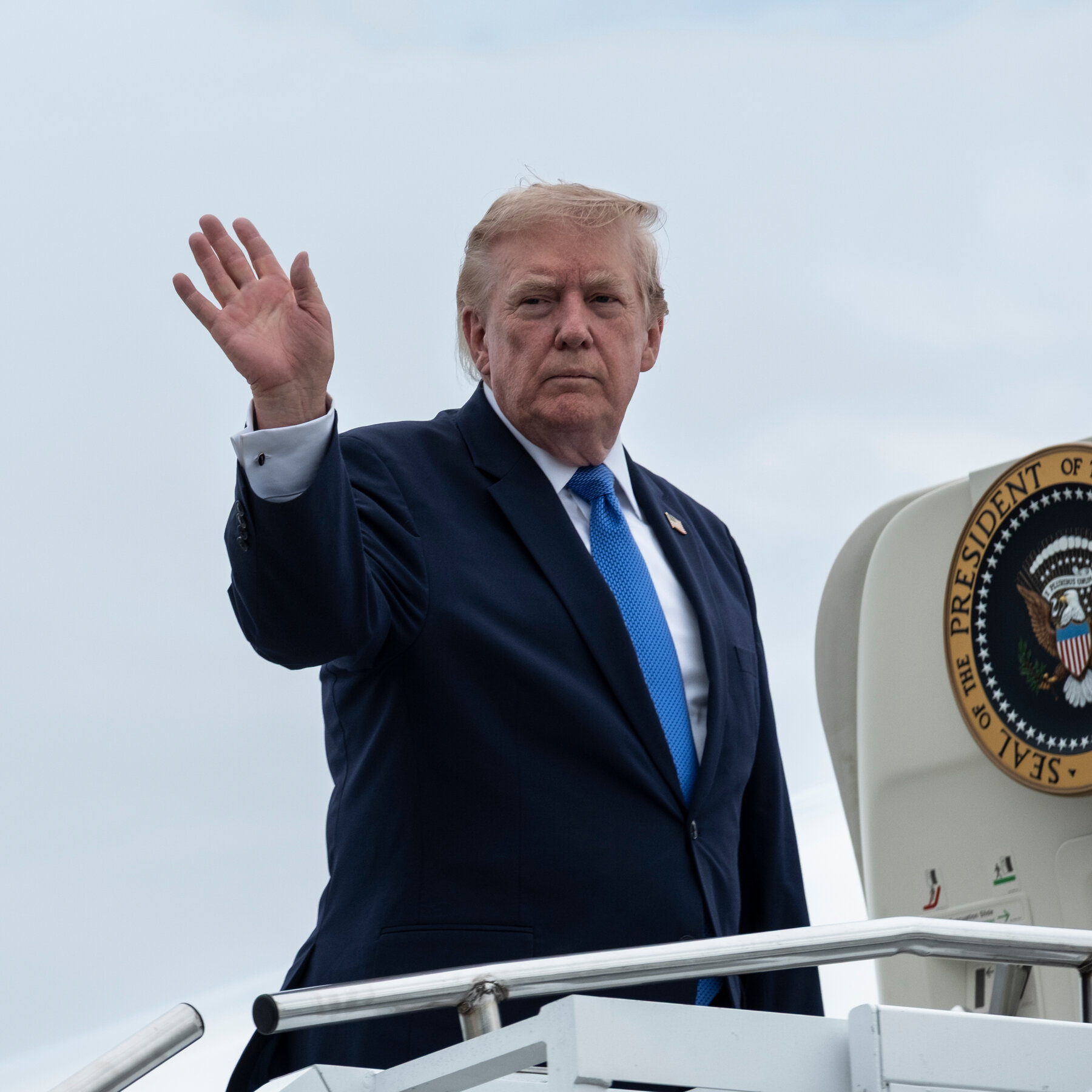
As President Trump embarks on a West Coast tour to discuss economic issues with American voters, the war in Iran looms large as an unexpected and growing challenge. While the administration aims to highlight economic progress, the conflict abroad is driving up costs and eroding public support, complicating the president’s domestic priorities. This article explores how the war in Iran is influencing economic conditions, public opinion, and political calculations within the United States, underscoring the complex interplay between foreign conflict and domestic governance.
Economic Impact of the Iran Conflict
The war in Iran has had a tangible and multifaceted effect on the U.S. economy, particularly by increasing costs in several key areas. One of the most immediate impacts has been on energy prices. As tensions escalate in the Middle East, a critical region for global oil supplies, markets have responded with heightened volatility. This uncertainty has led to surging crude oil prices, which translate directly into higher gasoline prices at the pump. American consumers and businesses alike are feeling the strain, as transportation and production costs rise.
Beyond the energy sector, the conflict has intensified inflationary pressures across the economy. Supply chain disruptions—exacerbated by geopolitical instability—have led to shortages and increased costs for goods ranging from raw materials to finished products. At the same time, increased defense spending to support military operations in the region places additional strain on federal budgets. These combined factors ripple through the broader economy, challenging the administration’s portrayal of economic strength and stability.
The allocation of federal resources toward the war effort also complicates budget priorities. Funds directed to military engagements can crowd out investments in critical domestic areas such as infrastructure, education, and social programs, which are central to President Trump’s stated agenda. This diversion of resources risks slowing progress on initiatives designed to improve American livelihoods and economic opportunity, creating a tension between foreign policy commitments and domestic development goals.
Public Opinion and Political Ramifications
Public support for the war in Iran has been steadily declining, according to recent polls. Initially, the conflict was met with cautious approval or indifference by many Americans, but as the human and financial costs become clearer, opposition has grown significantly. This shift reflects broader wariness about prolonged military engagements and skepticism about the clarity and achievability of U.S. objectives in the region.
This waning support poses a significant political challenge for President Trump, who is already navigating scrutiny over other contentious issues. The administration’s efforts to justify the war and its associated costs are increasingly met with skepticism, complicating messaging and outreach efforts during the West Coast tour. Voters concerned about rising living expenses and the potential for further escalation may be less receptive to economic promises overshadowed by conflict.
Moreover, the unpopularity of the conflict strengthens opposition voices both in Congress and among the public. Lawmakers are facing increased pressure to demand clearer objectives, greater transparency, and accountability regarding the war’s conduct and goals. This dynamic makes it more difficult for the administration to maintain bipartisan support or pursue aggressive policies without incurring significant political costs, potentially hampering legislative cooperation on other key issues.
Balancing Foreign Policy and Domestic Priorities
The war in Iran exemplifies the difficult balancing act between foreign policy commitments and domestic priorities that the Trump administration must navigate. National security concerns and the desire to counter perceived threats drive the administration’s stance on the conflict. However, the economic and political fallout at home cannot be overlooked, as they directly affect voter sentiment and the administration’s ability to govern effectively.
President Trump’s focus on economic issues during his West Coast appearances underscores an attempt to pivot attention back to domestic achievements. Yet, the persistent impact of the Iran war threatens to overshadow these efforts. Americans remain concerned not only about rising costs but also about the human toll of prolonged military engagement, including casualties and the broader implications for U.S. foreign relations.
Strategically, the administration must carefully weigh decisions about troop deployments, diplomatic engagement, and military spending. Each choice carries consequences for both the international situation and the president’s standing with voters. Successfully managing these competing demands requires a nuanced approach that balances the imperatives of national security with the economic well-being and political priorities of the American public.
Implications for Future Policy and Elections
Looking ahead, the war in Iran is poised to remain a significant factor in shaping U.S. policy and political discourse. How the administration manages the conflict will influence voter perceptions in upcoming elections, potentially affecting the balance of power in Congress and the broader political landscape. The conflict’s visibility and the associated economic consequences make it a potent issue for candidates and parties alike.
Economic challenges linked to the war may also constrain the administration’s ability to fulfill campaign promises related to job creation, tax reform, and social programs. Rising costs and budgetary pressures could limit funding for domestic initiatives, leading to increased public dissatisfaction and calls for change. This environment may empower opposition parties and candidates who advocate for different approaches to foreign policy and economic management.
Furthermore, the conflict highlights the interconnectedness of foreign and domestic policy. Policymakers must increasingly consider how international engagements impact everyday Americans, particularly in terms of economic well-being and national security. This understanding is crucial for effective governance and for developing strategies that address both external threats and internal challenges in a holistic manner.
What this means
The ongoing war in Iran presents a multifaceted challenge for President Trump’s administration. While the president seeks to focus on economic progress and connect with voters on domestic issues, the conflict abroad is exerting upward pressure on costs and eroding public support. Navigating this complex landscape demands a nuanced approach that addresses both national security concerns and the economic realities faced by Americans. As the situation develops, the administration’s ability to manage these competing priorities will be critical to sustaining political momentum and achieving policy goals, underscoring the inseparable nature of foreign policy and domestic governance in today’s interconnected world.
Source: How the War in Iran Is Complicating Trump’s Agenda at Home via www.nytimes.com.
This article was curated with AI assistance and reviewed according to Tamfis editorial settings.