
Politics
Science vs politics: Kiwi’s long road to EU health-claim approval
In August 2025, Zespri, the world’s largest marketer of kiwifruit, announced that the European Commission had approved what it described as the first health…
TAMFIS NIG LTDRC 8067447CAC ACTIVEFinima, Bonny Island, Rivers State

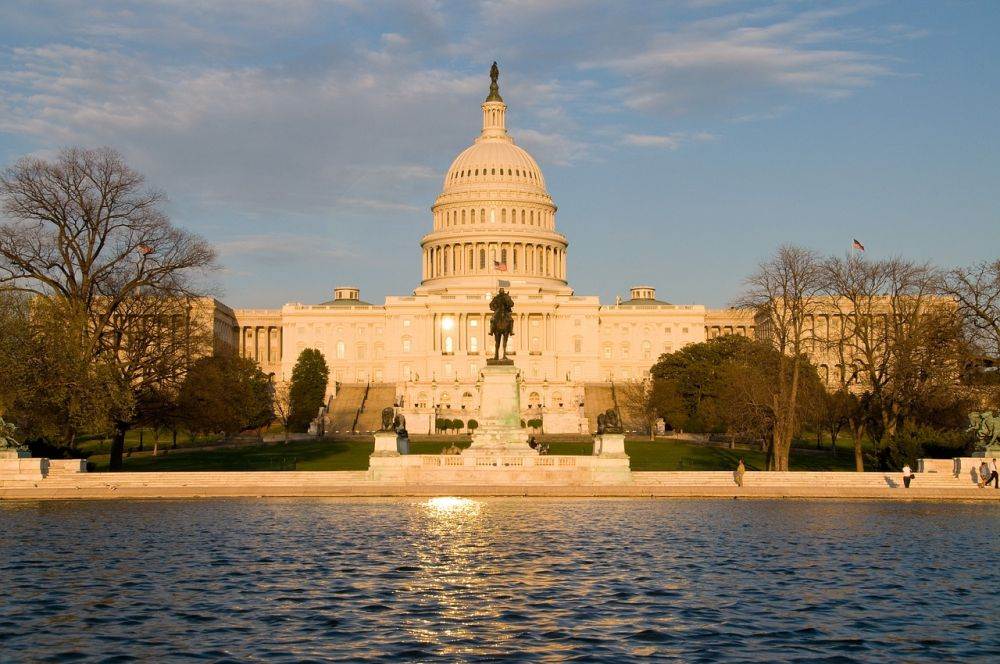
As the 2024 election season heats up across Western democracies, Muslim voters are carving out an unprecedented role in shaping political narratives and outcomes. No longer confined to predictable voting patterns, this diverse electorate is redefining party loyalties and pushing for policies that reflect their values and concerns. From the United States to the United Kingdom and other Western nations, Muslim voters are mobilizing around key issues such as foreign policy, civil rights, and economic justice. Their evolving political engagement signals a broader transformation in democratic participation, challenging parties to rethink strategies and platforms. This article delves into the factors driving this shift, the implications for electoral politics, and the emerging voices within Muslim communities that are fueling this change.
Muslim populations in Western countries have grown significantly over the past two decades, resulting in a more visible and politically active community. In countries like the United States, the United Kingdom, Canada, and France, Muslims now represent a substantial voting bloc, particularly in urban and suburban constituencies. This demographic expansion has brought diverse voices and perspectives into the political arena, challenging monolithic views of Muslim identity and political behavior.
The younger generation of Muslim voters, often born or raised in Western democracies, tends to prioritize issues differently from older generations. They are more likely to engage with a broad range of social and political causes, including racial justice, climate change, and economic equality. This generational shift is prompting political parties to reconsider their outreach and policy platforms to resonate with Muslim voters' evolving priorities.
Furthermore, the increasing diversity within Muslim communities—encompassing various ethnicities, sects, and cultural backgrounds—means that political preferences are far from uniform. This complexity is reflected in the 2024 elections, where Muslim voters are not aligning strictly along traditional party lines but are instead evaluating candidates and policies on nuanced grounds.
Foreign policy, particularly issues related to the Middle East, remains a pivotal concern for many Muslim voters in the West. The ongoing conflicts in regions such as Palestine and Gaza have heightened political awareness and activism within Muslim communities, influencing their electoral choices. Many voters are seeking candidates who adopt a balanced and humanitarian approach to these conflicts, emphasizing peace and justice.
In the United States, for instance, the Biden administration's unwavering support for Israel has led to a notable decline in Muslim voter support for the Democratic Party, with recent polls indicating a significant drop compared to previous election cycles. This shift reflects frustration with perceived one-sided policies and a demand for greater empathy toward Palestinian suffering.
Similarly, in the United Kingdom, pro-Palestinian sentiment among Muslim voters has influenced electoral outcomes in key constituencies. Candidates’ stances on Middle Eastern conflicts and their willingness to engage with Muslim community concerns have become decisive factors, reshaping party strategies and campaign messaging.
The 2024 elections have witnessed the emergence of alternative candidates and political movements that resonate with Muslim voters seeking new avenues for representation. Figures like Jill Stein of the Green Party in the United States have attracted a considerable share of the Muslim vote by advocating for human rights and opposing military interventions in the Middle East.
These alternative candidates often emphasize grassroots activism, social justice, and peace-building, presenting themselves as authentic voices for communities dissatisfied with mainstream party platforms. Their appeal illustrates a growing appetite among Muslim voters for political options that align more closely with their ethical and social values.
This trend is not limited to the United States. In Western Europe, independent and smaller party candidates with strong pro-Palestinian and social justice platforms have gained traction, signaling a diversification of political representation and a challenge to traditional party dominance.
Beyond electoral influence, Muslim voters are increasingly active in holding politicians and parties accountable on issues affecting their communities. Campaigns such as 'Abandon Harris' in the U.S. exemplify efforts to pressure political figures on their stances toward Palestine and broader human rights concerns, demonstrating a willingness to leverage electoral power for policy change.
This activism extends to local and grassroots levels, where Muslim organizations and advocacy groups mobilize communities around voter registration, education, and turnout. Their efforts contribute to a more engaged electorate and encourage political candidates to address issues like Islamophobia, civil rights, and economic disparities more substantively.
The demand for accountability also reflects a broader trend of Muslim voters rejecting tokenistic engagement or symbolic gestures, instead seeking tangible commitments and policy reforms that address systemic challenges faced by their communities.
Muslim voters have become key players in swing constituencies where elections are often decided by narrow margins. Their growing numbers and high voter turnout rates in these areas mean that their preferences can tip the balance in favor of one party or another, compelling candidates to prioritize their concerns in campaign platforms.
In the United Kingdom, for example, approximately 100 constituencies with significant Muslim populations have seen shifts in voting patterns, with some traditionally safe seats becoming highly competitive due to changing allegiances. This phenomenon has forced parties like Labour and the Conservatives to engage more directly with Muslim communities and address their policy priorities.
In the United States, cities with sizable Muslim populations, such as Detroit, Chicago, and New York, are witnessing intensified political engagement, with Muslim voters influencing local and national races. This influence is prompting a re-evaluation of outreach strategies and fostering a more inclusive political discourse.
Despite their growing influence, Muslim voters often face challenges related to political representation and inclusion. Underrepresentation in elected offices and political leadership positions means that Muslim perspectives are sometimes marginalized in policy discussions, limiting the community’s ability to shape decisions that affect their lives.
However, the 2024 elections are also marked by increasing numbers of Muslim candidates running for office across various levels of government. Their campaigns bring visibility to Muslim issues and inspire greater political participation within their communities, creating a virtuous cycle of engagement and representation.
This growing political presence offers opportunities to address longstanding issues such as discrimination, economic inequality, and social justice. It also challenges parties to cultivate deeper relationships with Muslim voters beyond electoral cycles, fostering sustained dialogue and partnership.
Social media platforms have become vital tools for Muslim voters and activists to share information, organize events, and amplify their voices. These digital spaces enable rapid mobilization around key issues, facilitate political education, and connect disparate communities across geographic boundaries.
Grassroots organizations play a complementary role by engaging voters directly through community centers, mosques, and cultural institutions. Their work in voter registration drives, candidate forums, and issue advocacy strengthens civic participation and empowers Muslim voters to make informed decisions.
Together, social media and grassroots mobilization have transformed the political landscape, making Muslim voters not just participants but active shapers of democratic processes, capable of influencing narratives and holding elected officials accountable.
The political awakening and engagement of Muslim voters in the 2024 elections represent more than a momentary shift; they signal the emergence of a sustained movement that will influence Western democracies for years to come. As Muslim voters continue to assert their political agency, they are reshaping the nature of democratic participation and policy priorities.
This long-term impact includes greater inclusivity in political discourse, more nuanced foreign policy debates, and enhanced attention to civil rights and social justice issues. It also encourages political parties to develop more responsive and representative platforms that reflect the diversity of their electorates.
Ultimately, the evolving role of Muslim voters enriches democratic processes by introducing new perspectives and holding political systems accountable. Their active participation helps ensure that democracy remains vibrant, equitable, and reflective of the communities it serves.
The 2024 elections across the West mark a pivotal moment in the political evolution of Muslim voters. Their growing demographic presence, coupled with an assertive and issue-driven engagement, is reshaping electoral landscapes and challenging established political norms. By demanding accountability, supporting diverse candidates, and mobilizing at grassroots levels, Muslim voters are not only influencing immediate electoral outcomes but also laying the groundwork for a more inclusive and responsive democracy. As political parties adapt to this dynamic electorate, the future promises a richer, more representative political dialogue that acknowledges and embraces the complexities of Muslim identities and aspirations. This transformation underscores the vital role Muslim voters play in strengthening democratic processes and advancing social justice across Western societies.
Source: themalaysianinsight.com. Originally reported there; this article has been adapted for Tamfitronics readers.
Keep reading
Politics
In August 2025, Zespri, the world’s largest marketer of kiwifruit, announced that the European Commission had approved what it described as the first health…
News
By Engr. Tamunofiniarisa BrownReading Time: 6 Minutes The conflict between Russia and Ukraine is often framed in the media as a simple battle between…
Politics
Twenty-five years after the September 11 attacks, the family of Marine Travis Fuller reflects on his death in the Iraq War, grappling with the…
TAMFIS NIG LTD
Electrical and instrumentation engineering, bid preparation and consulting, IT and software.