
News
RUSSIA versus NATO and BRICS vs. NATO Military SWOT
Recall that Poland’s Minister Sikorski’s core claim is partially supported by the numbers, but the framing “quite quickly” and “without the U.S.” does not…
TAMFIS NIG LTDRC 8067447CAC ACTIVEFinima, Bonny Island, Rivers State

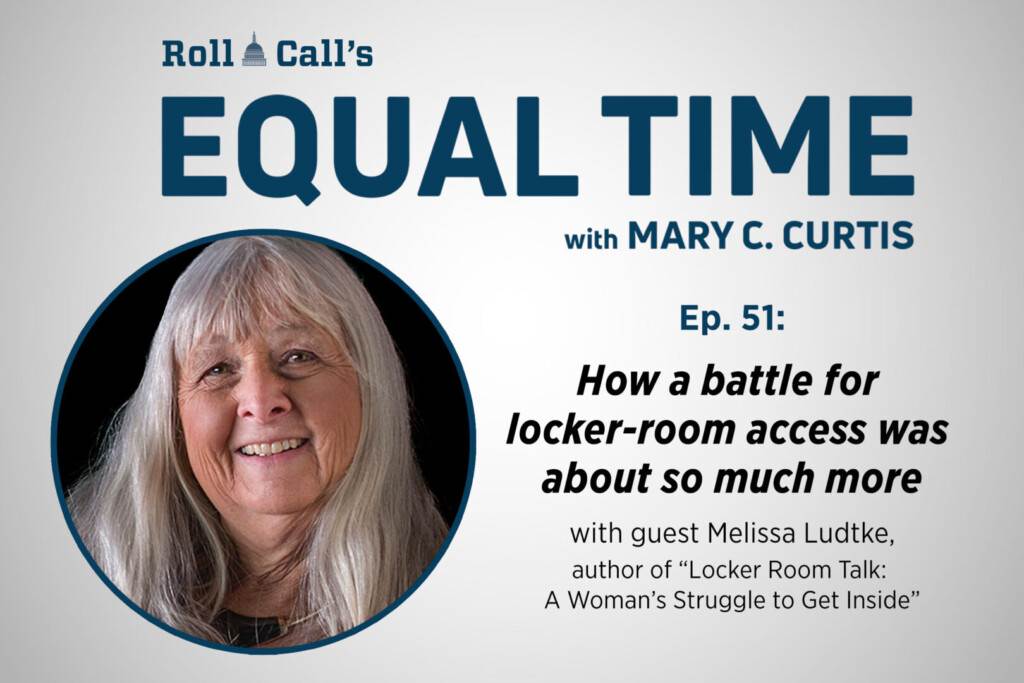
The intersection of sports and politics has long been a complex and often contentious space. While many believe these realms should remain separate, history tells a different story. Sports have consistently mirrored societal conflicts, from civil rights to gender equality. One pivotal moment in this ongoing narrative was the battle for locker-room access in Major League Baseball during the 1970s. This struggle, led by journalist Melissa Ludtke, was about more than simply covering a game; it was a challenge to institutionalized discrimination and a reflection of the larger women’s rights movement sweeping America. This article delves into the layers behind this landmark battle, revealing why it was so much more than a fight for entry.
In the early 1970s, sports journalism was overwhelmingly male-dominated, with women often relegated to peripheral roles or excluded entirely. The locker room, a critical space for post-game interviews and insights, was off-limits to female reporters. This exclusion was justified by outdated notions of privacy and decorum but was, in reality, a barrier reinforcing gender inequality in the profession.
Melissa Ludtke’s attempt to cover Major League Baseball for Sports Illustrated illuminated this discriminatory practice. Despite her credentials and experience, she was denied locker-room access purely based on her gender. This denial was emblematic of the systemic obstacles women faced not only in sports journalism but across many professional fields.
The resistance to female reporters entering locker rooms was tied to broader societal norms that restricted women’s roles and reinforced male privilege. It reflected a society grappling with changing gender dynamics amid the rise of the women’s liberation movement, which demanded equal opportunities and treatment in all aspects of life.
Melissa Ludtke’s determination to gain access to the locker room was not just a personal ambition but a challenge to a deeply entrenched system. Her insistence on equal access was a direct confrontation with Major League Baseball’s commissioner, who upheld the ban on female reporters entering the locker room.
Ludtke’s battle was emblematic of the broader fight for women’s rights during the 1970s, a decade marked by significant activism and legal challenges aimed at dismantling gender discrimination. Her efforts highlighted the intersection of sports, media, and civil rights, showing how each realm influenced the other.
By refusing to accept the status quo, Ludtke set a precedent for future generations of female journalists. Her case demonstrated that access and equality were not privileges to be granted selectively but fundamental rights that needed to be recognized and protected.
When negotiations and appeals failed, Melissa Ludtke took her fight to federal court, arguing that denying her locker-room access violated her rights under the Equal Protection Clause. The legal battle was significant because it brought the issue of gender discrimination in sports journalism into the judicial arena.
The presiding judge, known for her civil rights background, understood the broader implications of the case. The court’s ruling in Ludtke’s favor was a landmark decision that affirmed the principle that women must be afforded equal access to professional spaces, including those traditionally reserved for men.
This legal victory was not just about one woman’s right to do her job; it was a symbolic win for the women’s movement and a step toward dismantling institutional barriers. It underscored the importance of the judiciary in advancing civil rights and setting precedents that shape societal norms.
The fight for locker-room access transcended the physical space itself, becoming a powerful metaphor for inclusion and equality in society. The locker room symbolized the male-dominated world from which women had been excluded, and gaining entry represented breaking through a glass ceiling.
This battle reflected broader struggles for civil rights and equal opportunity, illustrating how access to spaces often equates to access to power and influence. By challenging the norms that kept women out, Ludtke and others helped to redefine who belongs and who has a voice in public life.
The locker room, once a symbol of exclusion, became a site of transformation. It showed that challenging traditional boundaries could lead to greater acceptance and equity, inspiring similar efforts across various sectors beyond sports.
Melissa Ludtke’s victory paved the way for more women to enter sports journalism and gain the same opportunities as their male counterparts. It challenged media organizations to reconsider their policies and attitudes toward female reporters, leading to increased diversity in sports coverage.
Greater representation of women in sports media has enriched the field by bringing new perspectives and stories to the forefront. It has helped to challenge stereotypes and promote a more inclusive narrative around athletes and sports culture.
This shift has had a lasting impact, encouraging media outlets to create environments where women can thrive professionally, contributing to a more equitable and dynamic sports journalism landscape.
The locker-room access battle was a microcosm of the larger gender equality and civil rights movements of the era. It highlighted how entrenched discrimination could manifest in seemingly mundane practices but carried significant implications for social justice.
This struggle underscored the interconnectedness of various rights movements, demonstrating that progress in one area often depends on advances in others. It showed how individual acts of resistance contribute to collective change.
By examining this case, we gain insight into the ongoing challenges faced by marginalized groups and the importance of vigilance and activism in promoting equity across all facets of society.
While the battle for locker-room access marked a significant victory, challenges remain in achieving full gender equality in sports and beyond. Issues such as pay disparities, representation in leadership roles, and workplace harassment continue to affect women in sports media and athletics.
The legacy of Ludtke’s fight serves as a reminder of the progress made and the work still needed. It inspires current and future advocates to persist in challenging barriers and advocating for inclusive policies and practices.
Understanding this history is crucial for appreciating the strides made and recognizing the ongoing efforts required to ensure that sports and society become truly equitable spaces for all individuals.
The battle for locker-room access was far more than a dispute over physical space; it was a defining moment in the struggle for gender equality and civil rights. Melissa Ludtke’s determination and legal victory challenged deeply ingrained discrimination and set a precedent that reshaped sports journalism and beyond. This story reminds us that access—whether to locker rooms, workplaces, or leadership roles—is fundamentally about power and inclusion. As society continues to grapple with issues of equity, the lessons from this landmark case remain relevant, inspiring ongoing efforts to break down barriers and create a more just and inclusive world.
Originally reported by rollcall.com. Adapted for our readers.
Keep reading
News
Recall that Poland’s Minister Sikorski’s core claim is partially supported by the numbers, but the framing “quite quickly” and “without the U.S.” does not…
Politics
In August 2025, Zespri, the world’s largest marketer of kiwifruit, announced that the European Commission had approved what it described as the first health…
News
By Engr. Tamunofiniarisa BrownReading Time: 6 Minutes The conflict between Russia and Ukraine is often framed in the media as a simple battle between…
TAMFIS NIG LTD
Electrical and instrumentation engineering, bid preparation and consulting, IT and software.