Politics
How Minnesota Figures Into the Presidential Politics of Insulin Prices
Politics tamfitronics Minnesota Gov. Tim Walz attends a rally in Asheville, North Carolina, on Sept. 17. Minnesota led the way on in...
TAMFIS NIG LTDRC 8067447CAC ACTIVEFinima, Bonny Island, Rivers State

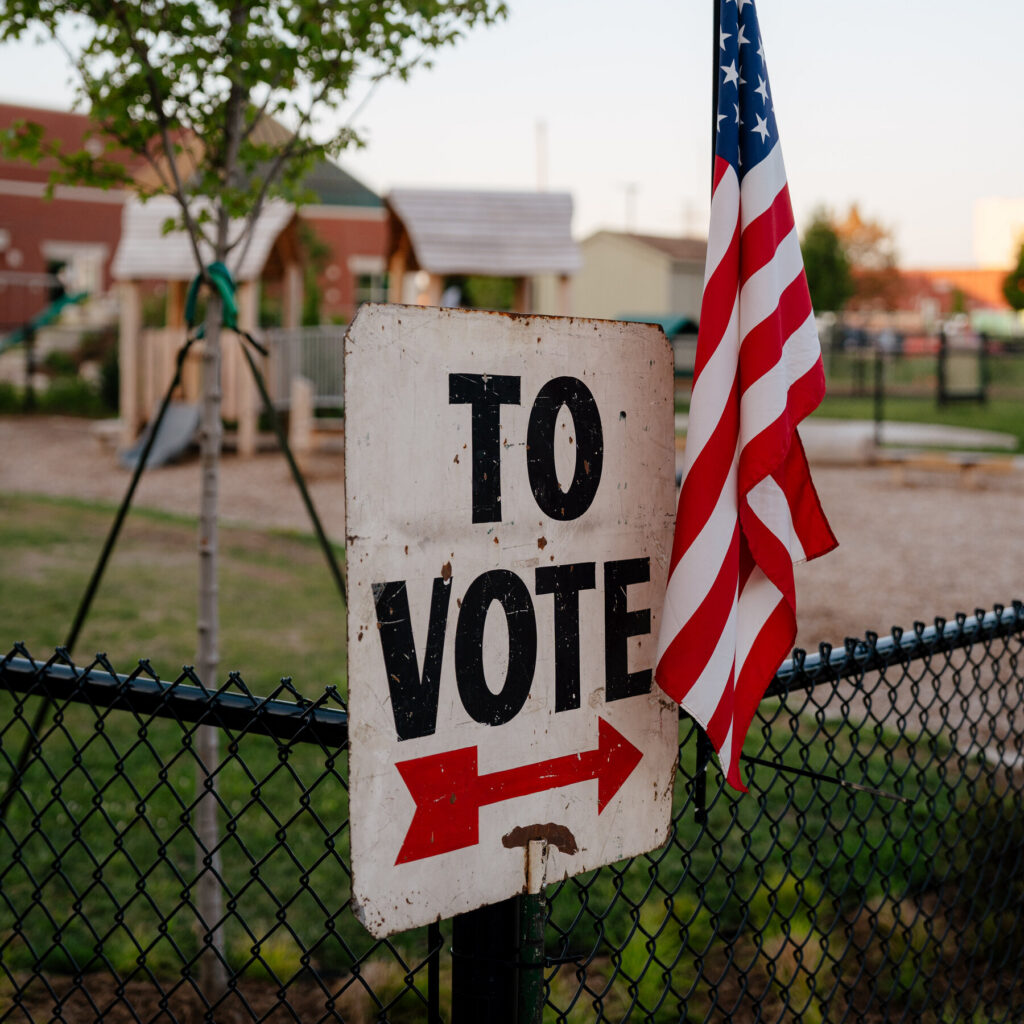
In recent years, the U.S. Department of Homeland Security (DHS) has escalated its efforts to locate and deport noncitizens who appear on voter registration rolls. This intensified scrutiny primarily targets immigrants who claim to have accidentally registered to vote during the process of applying for or renewing their driver’s licenses. While voter fraud remains a contentious and politically charged topic, the administration’s approach raises significant questions about immigration enforcement, civil rights, and the intersection of state and federal policies. This crackdown reflects a broader strategy linking immigration status with voting eligibility, with profound implications for immigrant communities and the democratic process.
Several states have adopted policies that automatically register eligible voters when they apply for or renew driver’s licenses, a practice known as automatic voter registration (AVR). This system aims to increase voter participation by simplifying the registration process and reducing barriers to voting. By integrating voter registration with routine interactions at motor vehicle departments, AVR has been praised for modernizing and expanding access to the ballot.
However, for noncitizens who are legally present but not eligible to vote, this automatic registration can lead to inadvertent enrollment on voter rolls. Many immigrants may not fully understand the implications of the registration process or may mistakenly be included due to errors in data handling or application forms. These inadvertent registrations have become a focal point under the Trump administration, which views them as potential instances of illegal voting.
The Department of Homeland Security has reportedly used voter registration data to identify noncitizens who may have registered unintentionally and has pursued deportation proceedings against them. This represents a significant shift in immigration enforcement priorities, directly linking voter registration status to immigration consequences. The approach has heightened tensions around the use of state-collected data for federal immigration enforcement purposes.
Federal law prohibits noncitizens from voting in federal elections, and most states extend this prohibition to state and local elections. Violations can carry serious legal consequences, including criminal charges and immigration penalties. However, the question of whether accidental registration constitutes illegal voting—and whether it should trigger deportation—is legally complex and contested.
Critics argue that many immigrants do not understand the registration process or the consequences of checking certain boxes on driver’s license applications, especially when registration is automatic. They contend that penalizing individuals for administrative errors or misunderstandings undermines trust in government services and could discourage immigrant participation in civic life. Moreover, they highlight that inadvertent registration does not necessarily equate to intentional voting, which is the core concern of election law.
Supporters of the crackdown emphasize the importance of election integrity and argue that any noncitizen voting, intentional or not, compromises the democratic process. They view the use of voter registration data by DHS as a legitimate enforcement tool to uphold election laws and prevent voter fraud. This perspective aligns with broader efforts to tighten immigration controls and ensure compliance with voting eligibility requirements.
The political debate surrounding this issue reflects deeper divisions over immigration policy and voting rights, with implications for how states design voter registration systems and how federal agencies enforce immigration laws.
The intensified enforcement has caused significant concern among immigrant communities, many of whom fear that routine interactions with government agencies could lead to immigration consequences. This fear may discourage immigrants from applying for or renewing driver’s licenses, which are essential for daily life, employment, and access to services in many states. The chilling effect extends beyond voter registration, potentially limiting immigrants’ ability to participate fully in society.
Moreover, the crackdown may strain relationships between immigrant communities and local authorities, particularly in jurisdictions that support AVR policies to promote voter participation. Some states and localities have expressed unease over the federal use of voter registration data for immigration enforcement, viewing it as a breach of trust and a threat to efforts aimed at expanding democratic participation.
This tension raises important questions about how states and federal agencies coordinate on voter registration data and immigration enforcement. While states implement AVR to increase voter turnout, federal agencies’ use of that data for deportation purposes creates conflicting incentives and undermines the policy’s goals.
From a broader perspective, the policy highlights the ongoing tension between efforts to expand voting access and those aimed at tightening immigration controls. Balancing these priorities remains a complex challenge for policymakers, who must navigate the competing demands of election integrity, immigrant rights, and public trust.
Policymakers face the difficult task of ensuring election integrity while protecting the rights of noncitizens who may inadvertently register to vote. Clear communication and education about voter eligibility during the driver’s license application process could help reduce accidental registrations. This includes providing multilingual materials, training for motor vehicle staff, and explicit warnings about eligibility requirements.
Additionally, states might consider safeguards to prevent noncitizens from being penalized for administrative errors, such as providing opt-out options or clearer instructions during the registration process. Some have proposed decoupling voter registration from driver’s license applications for noncitizens or implementing additional verification steps to confirm eligibility.
Coordination between state motor vehicle departments and federal immigration authorities should be carefully managed to avoid unintended consequences. Transparency about how voter registration data is shared and used is essential to maintain public trust and protect vulnerable populations.
Legal challenges to the use of voter registration data for immigration enforcement are likely to continue, emphasizing the need for policies that respect both election laws and immigrant rights. Courts may be called upon to clarify the boundaries of permissible enforcement actions, balancing government interests with constitutional protections.
Ultimately, policymakers must strive to create systems that uphold the law while minimizing harm, ensuring that all residents can navigate civic processes without fear of disproportionate consequences.
The intensified pursuit of noncitizens on voter rolls underscores the complex intersection of immigration enforcement and voting rights in the United States. While protecting election integrity is a legitimate concern, the approach of penalizing immigrants for inadvertent registration raises important questions about fairness, due process, and the potential chilling effects on immigrant communities. Moving forward, policymakers must strive to create systems that uphold the law while minimizing unintended harm, ensuring that all residents can navigate civic processes without fear of disproportionate consequences. Achieving this balance is critical to maintaining both the integrity of elections and the trust of diverse communities in the democratic process.
Originally reported by nytimes.com. Adapted for our readers with AI assistance.
Keep reading
Politics
Politics tamfitronics Minnesota Gov. Tim Walz attends a rally in Asheville, North Carolina, on Sept. 17. Minnesota led the way on in...
Politics
Deji Adeyanju; Niger State Mining Victims Human rights lawyer and activist, Deji Adeyanju, has accepted his appointment as a member of the Federal Government’s…
Politics
Democracy, Featured, Global, Global Governance, Headlines, International Justice, IPS UN: Inside the Glasshouse, TerraViva United Nations UNITED NATIONS, Sep 11 2026 (IPS) – When…
TAMFIS NIG LTD
Electrical and instrumentation engineering, bid preparation and consulting, IT and software.