
Politics
How Minnesota Figures Into the Presidential Politics of Insulin Prices
Politics tamfitronics Minnesota Gov. Tim Walz attends a rally in Asheville, North Carolina, on Sept. 17. Minnesota led the way on in...
TAMFIS NIG LTDRC 8067447CAC ACTIVEFinima, Bonny Island, Rivers State

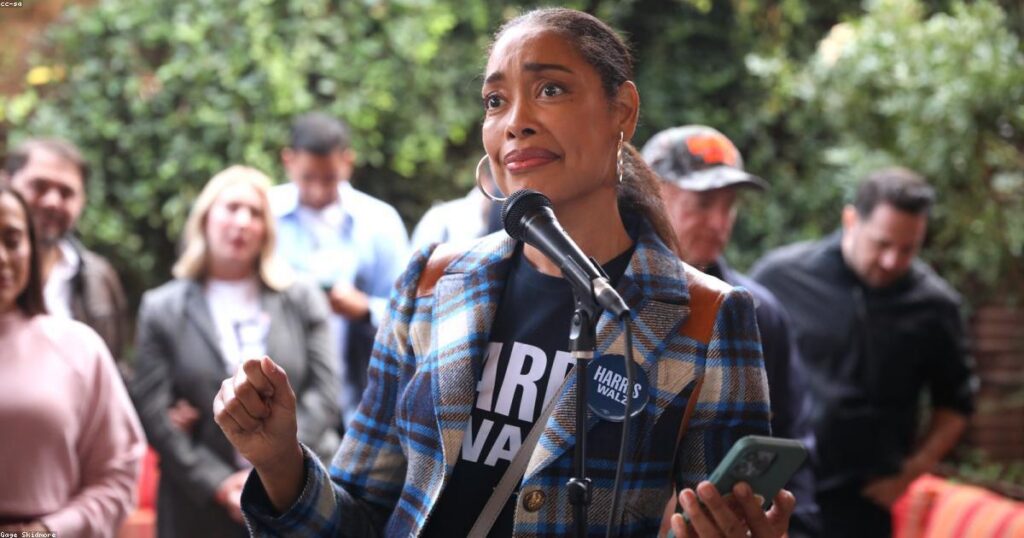
Vice President Kamala Harris is increasingly recognized for bringing the ethos and policy priorities of blue states—those predominantly Democratic and progressive regions—into the national campaign trail. Her political style, shaped by her tenure as California’s Attorney General and U.S. Senator, embodies a blend of progressive ideals and pragmatic governance. This article explores how Harris’s campaign strategy leverages blue-state politics to galvanize voters, the implications for the broader Democratic Party, and the challenges of translating localized progressive policies into national platforms.
Kamala Harris’s political identity is deeply rooted in her experiences in California, a state known for its progressive policy leadership and diverse electorate. As California’s Attorney General and later as a U.S. Senator, Harris championed criminal justice reform, environmental protections, and social equity initiatives—key pillars of blue-state politics. These formative roles helped shape her approach to governance and campaigning.
California’s political landscape, characterized by its progressive stance on issues like climate change, healthcare, and immigration, provided Harris with a platform to develop policies that resonate with urban, multicultural, and younger voters. Her ability to navigate this environment has been critical in defining her political brand as a progressive yet pragmatic leader.
This blue-state foundation enables Harris to connect with a broad coalition of voters who prioritize social justice, economic fairness, and government accountability. By bringing these values to the campaign trail, she aims to build momentum beyond California, appealing to similar constituencies nationwide.
Harris’s campaign prominently features progressive policy priorities such as expanding healthcare access, addressing climate change aggressively, and reforming the criminal justice system. These issues, often championed in blue states like California, New York, and Massachusetts, are central to her messaging and outreach efforts. The emphasis on these policies signals a commitment to systemic change that appeals to the Democratic base.
Healthcare expansion remains a cornerstone of Harris’s platform, reflecting blue-state efforts to move toward universal coverage. Her support for strengthening the Affordable Care Act and exploring public options aligns with the progressive goal of reducing healthcare disparities and improving affordability for all Americans.
Climate change mitigation is another priority Harris brings to the forefront, advocating for clean energy investments and sustainable infrastructure. This focus mirrors blue-state environmental agendas that seek to balance economic growth with ecological responsibility, positioning her as a leader in the fight against global warming.
One of Harris’s strengths is her ability to mobilize diverse voter coalitions, reflecting the multicultural makeup of blue states. Her campaign messaging emphasizes inclusion and equity, addressing the concerns of communities historically marginalized in American politics. This approach is designed to energize voters across racial, ethnic, and socioeconomic lines.
By highlighting issues such as criminal justice reform and economic opportunity, Harris appeals to younger voters and minority groups who often feel disenfranchised. Her personal narrative as a woman of color further reinforces her connection to these constituencies, enhancing her credibility and relatability on the campaign trail.
This inclusive messaging strategy seeks to broaden the Democratic coalition by integrating the values and priorities of various communities. It reflects the evolving demographic and cultural landscape of the United States, where blue-state politics increasingly influence national discourse.
While blue-state politics resonate strongly in urban and progressive regions, translating these policies to a national electorate presents significant challenges. Many parts of the country, particularly in rural and conservative areas, may view these approaches as too liberal or disconnected from their lived experiences.
Harris’s campaign must navigate the delicate balance of maintaining progressive authenticity while appealing to moderate and swing voters. This requires framing blue-state policies in ways that emphasize shared values such as economic security, public safety, and opportunity, rather than ideological labels.
Additionally, the diversity within blue states themselves means that policies must be adaptable to different local contexts. Harris’s ability to tailor her message and build coalitions across geographic and political divides will be crucial to her campaign’s success.
Social justice is a cornerstone of Harris’s political platform, reflecting the priorities of many blue states that have led national movements for racial equity, gender equality, and LGBTQ+ rights. Her campaign emphasizes policies aimed at dismantling systemic inequalities and promoting fairness across all sectors of society.
Initiatives such as police reform, voting rights protections, and economic inclusion are central to her vision. By championing these causes, Harris aligns herself with a progressive agenda that seeks to address the root causes of social disparities, rather than merely their symptoms.
This focus on social justice resonates with activists and progressive voters who demand substantive change. It also positions Harris as a candidate committed to transformative leadership, capable of addressing long-standing societal challenges through policy innovation.
Harris’s economic policies draw inspiration from blue-state models that prioritize innovation, sustainability, and workers’ rights. She advocates for investments in green technology, infrastructure modernization, and workforce development, aiming to create jobs while addressing environmental concerns.
Her support for raising the minimum wage, expanding labor protections, and promoting small businesses reflects the economic strategies of progressive states that seek to reduce income inequality and foster inclusive growth. These policies are designed to appeal to working-class voters and entrepreneurs alike.
By integrating economic innovation with social equity, Harris presents a comprehensive vision for economic renewal. This approach highlights the potential for blue-state policies to serve as blueprints for national economic revitalization.
Harris’s campaign trail strategy signals a broader shift within the Democratic Party toward embracing blue-state politics as a vehicle for national change. Her emphasis on progressive values combined with pragmatic governance offers a blueprint for future party candidates seeking to unify diverse constituencies.
This approach may influence the party’s policy agenda by prioritizing issues like climate action, social justice, and economic reform, which have gained traction in blue states. Harris’s success could pave the way for a new generation of leaders who blend local progressive experiences with national ambitions.
However, this shift also poses questions about balancing the interests of blue states with those of more moderate or conservative regions. The Democratic Party’s ability to craft inclusive platforms that resonate across the country will be critical in upcoming elections.
As Harris continues to bring blue-state politics to the campaign trail, her influence on national discourse is poised to grow. Her ability to translate localized progressive policies into compelling national narratives will be a key factor in shaping voter engagement and policy priorities.
Her campaign serves as a testing ground for how blue-state values can be integrated into broader political strategies, potentially redefining the Democratic Party’s identity in the process. Success on this front could establish Harris as a leading voice in American politics for years to come.
Ultimately, Harris’s journey reflects the evolving dynamics of U.S. politics, where regional political cultures increasingly inform national debates. Her campaign trail efforts offer insights into how blue-state politics can drive transformative change on a national scale.
Vice President Kamala Harris’s infusion of blue-state politics into the campaign trail represents a strategic and ideological effort to shape the future of American politics. By drawing on her California roots and progressive policy priorities, she aims to build a coalition that reflects the diverse and evolving electorate. While challenges remain in translating localized policies to a national audience, Harris’s campaign highlights the growing influence of blue-state values on the Democratic Party’s trajectory. Her success could mark a pivotal moment in how regional political identities inform and transform national campaigns, offering a vision for inclusive and forward-thinking governance.
Originally reported by realclearpolitics.com. Adapted for our readers.
Keep reading
Politics
Politics tamfitronics Minnesota Gov. Tim Walz attends a rally in Asheville, North Carolina, on Sept. 17. Minnesota led the way on in...
Politics
Deji Adeyanju; Niger State Mining Victims Human rights lawyer and activist, Deji Adeyanju, has accepted his appointment as a member of the Federal Government’s…
Politics
Democracy, Featured, Global, Global Governance, Headlines, International Justice, IPS UN: Inside the Glasshouse, TerraViva United Nations UNITED NATIONS, Sep 11 2026 (IPS) – When…
TAMFIS NIG LTD
Electrical and instrumentation engineering, bid preparation and consulting, IT and software.