
Politics
How Minnesota Figures Into the Presidential Politics of Insulin Prices
Politics tamfitronics Minnesota Gov. Tim Walz attends a rally in Asheville, North Carolina, on Sept. 17. Minnesota led the way on in...
TAMFIS NIG LTDRC 8067447CAC ACTIVEFinima, Bonny Island, Rivers State

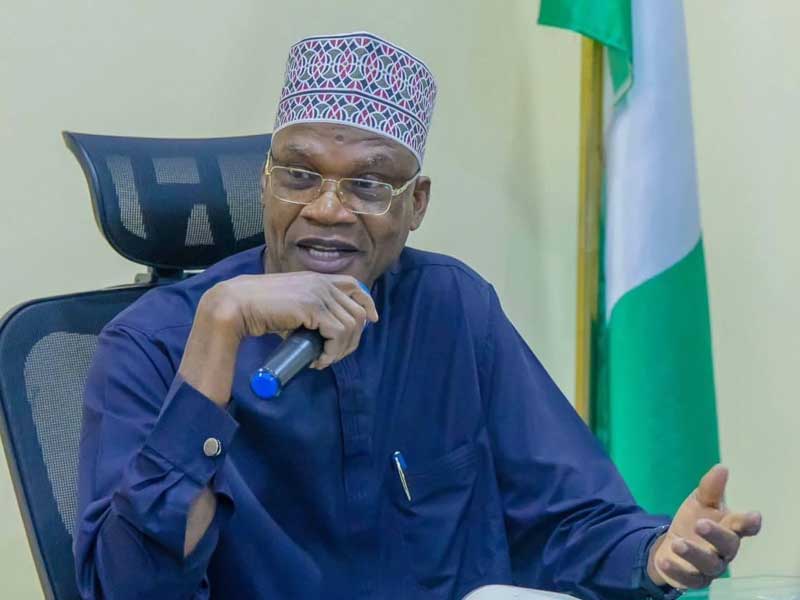
In a decisive move to curb the prevalence of fake degree certificates and uphold academic integrity, the Nigerian Federal Government recently announced the official list of recognised universities in neighbouring Togo and Benin Republic. This announcement clarifies which foreign institutions are authorised to award valid degrees to Nigerian students. The Ministry of Education, led by Minister Tahir Mamman, revealed the list amid revelations that over 22,500 Nigerians had obtained degrees from unaccredited institutions in these countries. This article provides a comprehensive overview of the recognised universities, the government's crackdown on certificate fraud, and the implications for Nigerian students and employers.
The issue of fake degree certificates has long plagued Nigeria’s educational and employment sectors, with many individuals acquiring fraudulent qualifications from unaccredited institutions abroad. Togo and Benin Republic, as neighbouring countries with accessible educational institutions, became hotspots for such malpractice. The Nigerian government’s investigation uncovered that thousands of Nigerians had obtained dubious certificates from universities in these countries, often without stepping foot outside Nigeria.
This alarming trend undermined the credibility of Nigerian graduates and posed risks to the integrity of the civil service and private sector. It also created challenges for employers who struggled to verify the authenticity of foreign degrees. In response, the Federal Government established a committee to probe the extent of degree certificate racketeering linked to foreign and local universities, leading to the recent accreditation announcement.
The findings revealed a network of collusion involving some officials and fraudulent institutions, which exploited the demand for foreign qualifications among Nigerians. This prompted the government to act decisively to protect the nation's educational standards and reputation.
Following thorough vetting and quality assurance checks, the Federal Government officially recognised three universities in Togo as legitimate institutions authorised to award degrees to Nigerian students. These universities have met the academic standards required to provide credible degree programs and are recognised by Nigerian authorities.
The recognised universities in Togo are University of Lomé, Kara University, and the Catholic University of West Africa. Each institution offers diverse academic programs and has established systems aligning with international educational standards. Nigerian students seeking degree programs in Togo are advised to enrol only in these accredited universities to avoid the risk of obtaining invalid qualifications.
This recognition aims to provide a clear guideline for Nigerian students and employers, ensuring transparency and reducing confusion regarding the authenticity of foreign degrees from Togo. It also encourages prospective students to pursue education in accredited institutions, thereby enhancing the value of their qualifications.
Benin Republic, another popular destination for Nigerian students, has five universities officially recognised by the Nigerian Federal Government. These institutions have demonstrated compliance with academic and administrative standards required for degree accreditation.
The accredited universities in Benin Republic include the University of Abomey-Calavi, University of Parakou, National University of Science, Technology, Engineering and Mathematics, National University of Agriculture, and African University of Cooperative Development. These universities offer a range of undergraduate and postgraduate programs across various disciplines.
By recognising these institutions, the Federal Government provides Nigerian students with definitive options for legitimate education in Benin Republic. This move also assists employers and regulatory bodies in verifying the authenticity of degrees awarded by these universities.
Minister of Education Tahir Mamman has been vocal about the government's zero-tolerance policy towards fake degree certificates. He highlighted that over 22,500 Nigerians had acquired fraudulent degrees from unaccredited universities in Togo and Benin Republic, prompting the cancellation of these certificates nationwide.
The minister emphasised that many of these fake certificates were obtained without the recipients ever leaving Nigeria, facilitated by corrupt officials and racketeering networks. This practice not only damages the country's image but also compromises the quality of the workforce in both public and private sectors.
The government, through the offices of the Head of Civil Service and Secretary of the Federation, has committed to identifying and sanctioning individuals using fake certificates in government employment. The private sector is also urged to adopt similar verification measures to uphold professionalism and integrity.
This accreditation announcement serves as a critical guide for Nigerian students considering foreign education options in West Africa. It encourages them to enrol only in recognised universities, thereby safeguarding their academic and professional futures from the consequences of invalid degrees.
Students who had previously obtained degrees from unaccredited institutions are now at risk of having their certificates cancelled, which could affect their employment and further education prospects. Hence, there is a growing need for awareness campaigns to educate students about the risks of enrolling in non-accredited universities.
Furthermore, this development may influence students to explore other accredited foreign educational opportunities, including institutions in Europe, North America, and Africa, that maintain higher standards of academic integrity and recognition.
Employers across Nigeria are advised to verify the authenticity of foreign degrees presented by job applicants, especially those claiming qualifications from universities in Togo and Benin Republic. The Federal Government’s list of recognised institutions provides a reliable reference point for such verifications.
Regulatory bodies and professional associations are encouraged to collaborate with the Ministry of Education to establish robust verification frameworks that can detect and deter the use of fake certificates. This is crucial for maintaining professional standards and protecting the public interest.
Additionally, the government plans to leverage technology and international partnerships to streamline the verification process and ensure that only valid qualifications are accepted in both public and private sectors.
The Federal Government is committed to ongoing efforts to combat degree fraud, including continuous monitoring of foreign universities popular among Nigerian students. This involves regular assessments and updates to the list of recognised institutions to reflect current realities.
Educational reforms aimed at improving domestic tertiary institutions are also underway to reduce the demand for foreign degrees and improve access to quality education within Nigeria. Investments in university infrastructure, faculty development, and academic research are part of these reforms.
Furthermore, the government plans to engage in bilateral agreements with neighbouring countries to regulate cross-border education practices and ensure mutual recognition of accredited institutions, thereby fostering regional educational cooperation.
Students intending to study abroad should consult official Nigerian government resources, such as the Ministry of Education’s website and announcements, to confirm whether a foreign university is accredited and recognised. This precaution helps avoid enrolling in institutions with invalid credentials.
In addition, students can contact Nigerian embassies or consulates in the host countries for guidance and verification assistance regarding universities. These diplomatic missions often have information on recognised institutions and can provide valuable support.
It is also advisable for students to seek counsel from education consultants and professional bodies who can provide up-to-date information on accredited foreign universities and the implications of studying at unaccredited institutions.
The Federal Government’s declaration of recognised universities in Togo and Benin Republic marks a significant step towards safeguarding the integrity of Nigerian academic qualifications. By officially accrediting only eight universities across these neighbouring countries, the government aims to eliminate the proliferation of fake degrees and uphold Nigeria’s educational standards. Nigerian students, employers, and regulatory bodies must align with these guidelines to ensure authenticity and credibility in academic and professional circles. Continued vigilance, education reforms, and regional cooperation will be essential in sustaining these efforts and fostering a culture of academic excellence.
Originally reported by punchng.com. Adapted for our readers.
Keep reading
Politics
Politics tamfitronics Minnesota Gov. Tim Walz attends a rally in Asheville, North Carolina, on Sept. 17. Minnesota led the way on in...
Politics
Deji Adeyanju; Niger State Mining Victims Human rights lawyer and activist, Deji Adeyanju, has accepted his appointment as a member of the Federal Government’s…
Politics
Democracy, Featured, Global, Global Governance, Headlines, International Justice, IPS UN: Inside the Glasshouse, TerraViva United Nations UNITED NATIONS, Sep 11 2026 (IPS) – When…
TAMFIS NIG LTD
Electrical and instrumentation engineering, bid preparation and consulting, IT and software.