
Politics
Science vs politics: Kiwi’s long road to EU health-claim approval
In August 2025, Zespri, the world’s largest marketer of kiwifruit, announced that the European Commission had approved what it described as the first health…
TAMFIS NIG LTDRC 8067447CAC ACTIVEFinima, Bonny Island, Rivers State

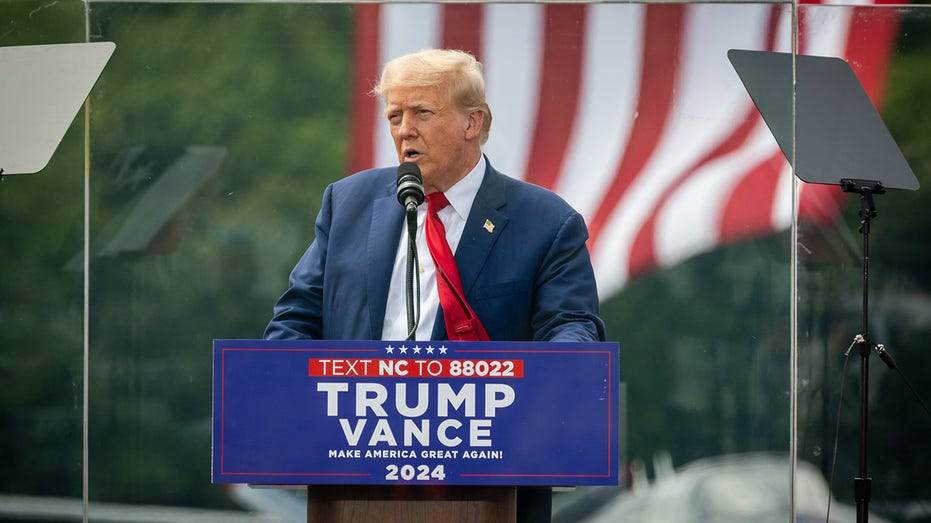
As the 2024 U.S. presidential election approaches, swing states remain the epicenter of political strategy and voter attention. Fox News Politics provides extensive coverage and polling data from pivotal battlegrounds like Arizona, Georgia, and North Carolina, highlighting shifts in voter sentiment and campaign ground games. Understanding swing state stats is essential for grasping the evolving dynamics between former President Donald Trump and Vice President Kamala Harris as they vie for the White House. This article delves into the latest polling numbers, campaign strategies, and political developments shaping these crucial states and their potential to determine the election outcome.
Swing states, often referred to as battleground states, hold disproportionate influence in U.S. presidential elections due to their unpredictable voting patterns. Unlike states with solid party loyalties, swing states can tilt either Democratic or Republican, making them critical targets for campaign efforts. Their electoral votes can often decide the final outcome, intensifying political focus and resource allocation.
Historically, states like Florida, Ohio, Pennsylvania, Arizona, Georgia, and North Carolina have been recognized as key battlegrounds. Their diverse demographics and shifting political landscapes make them highly competitive. Candidates tailor their messages, policies, and ground operations specifically to sway voters in these states, recognizing that winning them can secure the presidency.
In 2024, swing states are again under the spotlight as both Donald Trump and Kamala Harris intensify their campaigns. Changes in population trends, voter registration, and political attitudes add complexity to predicting outcomes. As such, analyzing swing state stats provides insight into how the electoral map may evolve and which candidate holds the advantage.
Recent polling conducted by The New York Times between September 17 and 21 surveyed over 2,000 likely voters across Arizona, Georgia, and North Carolina, revealing a nuanced picture of the race. Former President Donald Trump leads Vice President Kamala Harris by five points in Arizona (50%-45%) and holds a similar advantage in Georgia (49%-45%). These leads indicate a shift from previous polling trends that favored Democrats in these states.
North Carolina presents a tighter race, with Trump leading narrowly at 49% to Harris's 47%. This close margin underscores the competitive nature of the state, where demographic shifts and local issues continue to influence voter decisions. The polling data suggest that while Trump has gained ground, Harris remains a formidable contender in this battleground.
These numbers contrast with a Fox News national poll conducted shortly before, which showed Harris leading Trump by two points nationally. The discrepancy highlights the importance of state-level analysis, as national polls may not fully capture the localized dynamics that dictate electoral outcomes in swing states.
The ground game—campaign efforts to register, mobilize, and turn out voters—is a critical factor in swing state contests. Reports indicate that Donald Trump's campaign has experienced a contraction in ground operations in several key states, potentially impacting voter outreach and registration drives. This shrinkage could influence turnout and narrow margins in closely contested areas.
Conversely, the Democratic campaign, led by Kamala Harris and President Biden's team, continues to invest heavily in grassroots mobilization and early voting initiatives. Early voting has already begun in states like Maryland and Mississippi, signaling a broader trend of increasing voter participation before Election Day. These efforts are particularly vital in swing states where small shifts can determine victory.
Both campaigns are also leveraging digital outreach, targeted advertising, and local endorsements to sway undecided voters. The effectiveness of these strategies in battleground states will likely be pivotal in shaping the final electoral map.
Demographics play a crucial role in shaping political preferences within swing states. Arizona and Georgia, for example, have experienced significant population growth among Hispanic and younger voters, groups that traditionally lean Democratic but have shown increasing variability in recent elections. Understanding these demographic shifts is essential for interpreting polling data and campaign strategies.
North Carolina's electorate includes a mix of urban and rural voters, with suburban areas becoming increasingly important battlegrounds. Issues such as the economy, healthcare, and social policies resonate differently across these groups, influencing their candidate preferences. Both campaigns are tailoring messages to appeal to these diverse constituencies.
Additionally, voter registration trends suggest changes in party affiliation and engagement levels. Efforts to register new voters, especially among minorities and young adults, could reshape the political landscape. Monitoring these trends is vital for anticipating election outcomes in swing states.
Recent political events and legislative actions within swing states can influence voter sentiment. For instance, California Governor Gavin Newsom's rejection of a bill allowing illegal immigrants to work on campuses has sparked debate about immigration policies, which remain a contentious issue nationally and locally. While California is not a swing state, such developments can impact neighboring battleground states through regional political discourse.
On Capitol Hill, the looming government shutdown deadline has created uncertainty, with Congress needing to act swiftly to avoid disruptions. These national issues often trickle down to voter concerns in swing states, where economic stability and government functionality are top priorities.
Moreover, GOP-led initiatives targeting foreign policy and national security, such as bills banning aid to Afghanistan, resonate differently across swing state electorates. Candidates' stances on these topics are scrutinized by voters looking for leadership on both domestic and international fronts.
Media coverage, including outlets like Fox News Politics, plays a significant role in shaping public perception in swing states. Poll releases, campaign updates, and investigative reports provide voters with information that can influence opinions and decisions. The framing of candidates’ performances and policies often affects momentum and enthusiasm among supporters.
Social media platforms further amplify political messaging and grassroots activism. Viral content, endorsements, and debates reach diverse audiences, creating dynamic information ecosystems that campaigns must navigate. Missteps or controversies can quickly alter the narrative in battleground states where margins are slim.
Public perception is also influenced by endorsements from local figures and organizations. For example, unique endorsements such as that of Amer Ghalib, mayor of the U.S.’s only Muslim-majority town, who backs Trump, highlight the complexity of voter allegiances and the importance of community leadership in swing states.
Early voting has become a critical component of election strategy, especially in swing states where campaigns seek to lock in support ahead of Election Day. States like Maryland and Mississippi have already commenced early voting, with turnout data providing early indicators of voter enthusiasm and candidate support.
High early voting participation can advantage campaigns with strong organizational infrastructure and motivated bases. It also reduces the impact of last-minute events or controversies, as a significant portion of the electorate will have already cast ballots.
Analyzing early voting statistics helps campaigns adjust resource allocation and messaging in real time. For swing states, where elections may be decided by narrow margins, every early vote counts, making these patterns a bellwether for overall election outcomes.
As November 2024 approaches, swing state statistics offer valuable insights but also underscore the fluidity of the race. Polls show shifting leads, competitive ground games, and demographic changes that could tilt results in either direction. The complexity of these factors makes predictions challenging but highlights the importance of continuous monitoring.
Candidates will likely intensify their focus on swing states, deploying tailored messaging and mobilization tactics to sway undecided voters. The ability to adapt to emerging trends and respond to local issues will be crucial for success.
Ultimately, the electoral fate of the nation hinges on these battlegrounds. Understanding the detailed statistics and underlying dynamics provides clarity on the evolving political landscape and how the 2024 election may unfold.
The 2024 U.S. presidential election is poised to be heavily influenced by the dynamics within swing states. Fox News Politics’ comprehensive polling and analysis reveal a competitive landscape marked by shifting leads, demographic changes, and strategic campaign efforts. Understanding these swing state statistics is essential for predicting electoral outcomes and appreciating the nuanced factors that will shape voter decisions. As campaigns adapt to new developments and voters engage through early voting and grassroots efforts, the battleground states remain the ultimate test of political strength and strategy in this pivotal election cycle.
Originally reported by foxnews.com. Adapted for our readers.
Keep reading
Politics
In August 2025, Zespri, the world’s largest marketer of kiwifruit, announced that the European Commission had approved what it described as the first health…
News
By Engr. Tamunofiniarisa BrownReading Time: 6 Minutes The conflict between Russia and Ukraine is often framed in the media as a simple battle between…
Politics
Twenty-five years after the September 11 attacks, the family of Marine Travis Fuller reflects on his death in the Iraq War, grappling with the…
TAMFIS NIG LTD
Electrical and instrumentation engineering, bid preparation and consulting, IT and software.