
Politics
Science vs politics: Kiwi’s long road to EU health-claim approval
In August 2025, Zespri, the world’s largest marketer of kiwifruit, announced that the European Commission had approved what it described as the first health…
TAMFIS NIG LTDRC 8067447CAC ACTIVEFinima, Bonny Island, Rivers State

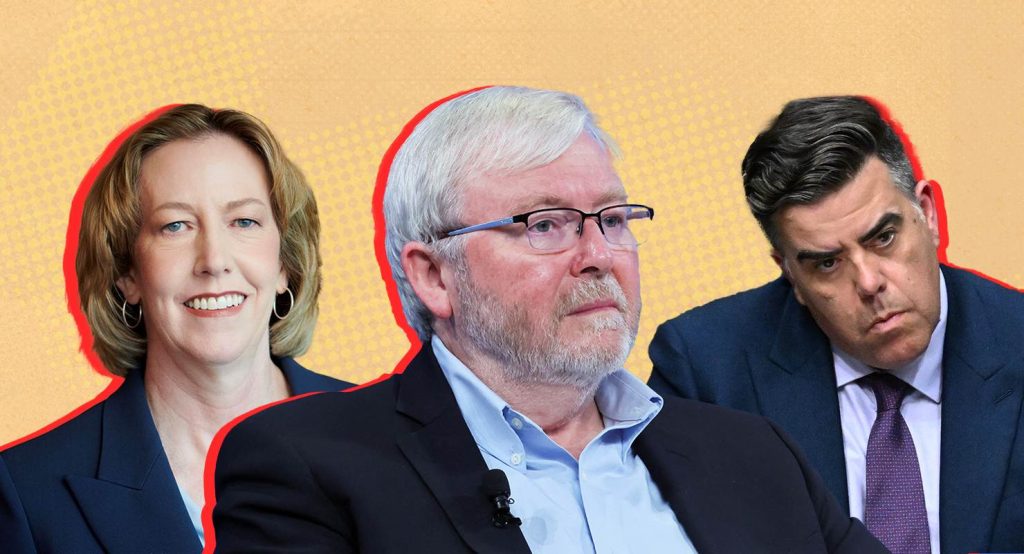
Australia’s political scene continues to evolve with notable intersections between industry interests, religious influences, and international diplomacy. From the controversial prominence of fossil fuel executives in governance forums to the nuanced participation of politicians in faith-based events, and former Prime Minister Kevin Rudd’s active presence at the US Republican National Convention, these developments shed light on the multifaceted nature of contemporary politics. This article explores these dynamics, offering a balanced analysis to inform readers about the implications and context of recent events.
In August 2024, Meg O’Neill, the CEO of Woodside Energy and Australia’s Resources Minister, was slated to deliver the keynote address at the Australian Institute of Company Directors’ (AICD) Western Australia Annual Awards Lunch. This event highlights the close ties between the fossil fuel sector and government, particularly in Western Australia, where such connections are commonplace and largely uncontroversial.
The AICD, known for its strong stance on climate governance in other regions, supports initiatives like the Climate Governance Initiative, which encourages corporate directors to integrate climate considerations into board decisions. This includes understanding and managing the risks and opportunities posed by climate change. However, the invitation extended to O’Neill contrasts sharply with this ethos, especially considering Woodside’s recent setbacks, such as the collapse of its climate plan at the 2024 Annual General Meeting and ongoing controversies surrounding the Burrup Hub project.
This juxtaposition illustrates the tension between Australia’s commitment to climate governance and the entrenched influence of fossil fuel companies within its political and corporate sectors. It raises questions about the effectiveness of climate initiatives when key industry figures maintain significant platforms in governance discussions.
Milton Dick, the Labor member for Oxley and Speaker of the House of Representatives, recently appeared as a guest speaker at the ROAR 24 Leaders Summit, a faith-oriented event costing $250 per attendee. The summit, organized by Breakthrough Church pastor David Vaka, focuses on themes such as divine influence in societal leadership and nation-building from a religious perspective.
The event is associated with the Seven Mountains Mandate, a dominionist Pentecostal ideology that asserts believers must reclaim control over seven societal pillars—education, religion, family, business, government and the military, arts and entertainment, and the media—to prepare for Christ’s return. This belief system is controversial due to its theocratic implications and its framing of secular institutions as domains of demonic influence.
While there is no direct evidence that Dick endorses the full ideology, his participation has attracted attention, especially following recent debates over faith’s role in political decision-making, such as Senator Fatima Payman’s reported invocation of religious beliefs in her vote on Palestine. The Labor Party’s apparent tolerance for religious engagement contrasts with prior concerns about faith-based politics, suggesting a nuanced or evolving stance within the party.
Former Australian Prime Minister and current Ambassador to the United States, Kevin Rudd, has demonstrated a proactive approach to US political developments by attending the 2024 Republican National Convention. His presence underscores Australia’s attentiveness to the possibility of a second term for Donald Trump and the implications for bilateral relations.
At the convention, Rudd engaged with notable figures such as Robert C. O’Brien, Trump’s former national security adviser; Julia Nesheiwat, former Homeland Security adviser; and Congressman Michael Waltz. Rudd described these individuals as close friends of Australia, signaling a strategic effort to maintain strong ties across political divides.
This engagement marks a departure from Rudd’s historically critical public comments about Trump, reflecting a pragmatic diplomatic posture. It also highlights the importance Australia places on fostering relationships with key US policymakers regardless of partisan affiliations, especially amid global uncertainties and shifting alliances.
In a related note on media dynamics, Guardian Australia recently removed an article discussing the rising popularity of cannabis gummies among Australians, describing them as comparable to having a glass of wine with dinner. The piece was taken down pending review due to legal considerations, with plans to republish it once issues are resolved.
This incident reflects broader challenges in media reporting on emerging social trends and the regulatory environment surrounding cannabis use in Australia. It also illustrates the caution exercised by news organizations when navigating sensitive topics that intersect with public health, legality, and cultural attitudes.
Australia’s political landscape in 2024 is marked by complex interactions between entrenched industry interests, evolving religious influences, and strategic international diplomacy. The prominence of fossil fuel executives in governance discussions highlights ongoing challenges in aligning economic and environmental priorities. Simultaneously, the participation of political figures in faith-based events underscores a nuanced relationship between religion and politics that defies simple categorization. Meanwhile, diplomatic engagements by figures like Kevin Rudd demonstrate Australia’s commitment to maintaining robust international relationships amid global political shifts. Understanding these dynamics is essential for comprehending the multifaceted nature of contemporary Australian politics and its implications for policy and society.
This article was curated with AI assistance.
Source: crikey.com.au. Originally reported there; this article has been adapted for Tamfitronics readers.
Keep reading
Politics
In August 2025, Zespri, the world’s largest marketer of kiwifruit, announced that the European Commission had approved what it described as the first health…
News
By Engr. Tamunofiniarisa BrownReading Time: 6 Minutes The conflict between Russia and Ukraine is often framed in the media as a simple battle between…
Politics
Twenty-five years after the September 11 attacks, the family of Marine Travis Fuller reflects on his death in the Iraq War, grappling with the…
TAMFIS NIG LTD
Electrical and instrumentation engineering, bid preparation and consulting, IT and software.