
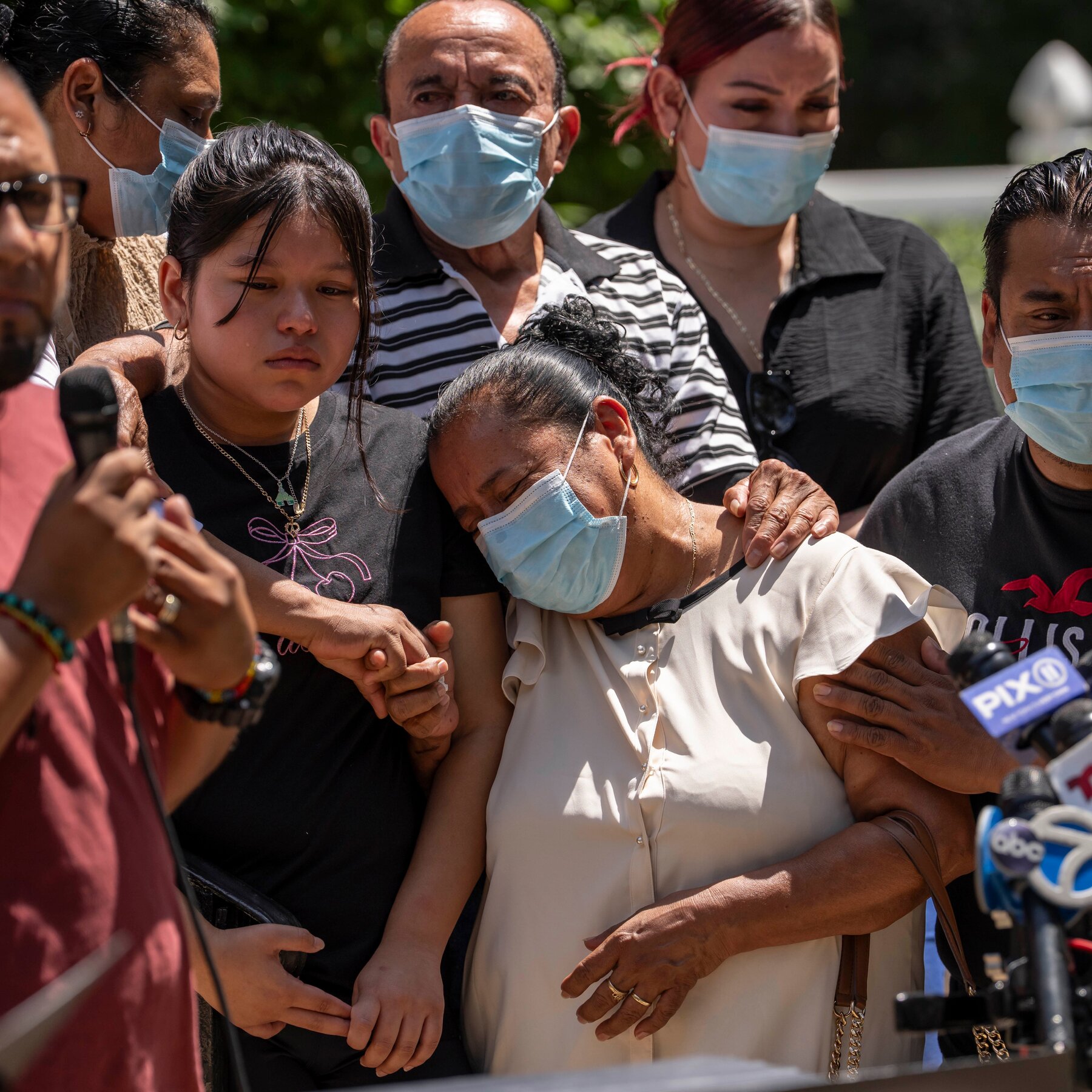
The death of Edwin Lopez-Cornejo, an immigrant held at the Delaney Hall detention center in Newark, New Jersey, has raised urgent questions about the treatment of detainees and the transparency of federal immigration authorities. Lopez-Cornejo’s family has publicly demanded access to his medical records and a thorough investigation into the circumstances surrounding his death. Their calls underscore broader issues faced by detainees in immigration facilities across the United States, including limited access to healthcare, lack of information for families, and accountability of detention officials.
Background on Edwin Lopez-Cornejo’s Detention and Death
Edwin Lopez-Cornejo was an immigrant detained at Delaney Hall, a federal detention center located in Newark, New Jersey. The facility is overseen by federal authorities responsible for immigration enforcement and detainee welfare. Although specific details about Lopez-Cornejo’s length of detention and the reasons for his confinement remain limited, his death while in custody has sparked significant concern among his family and advocacy groups.
Following his passing, federal officials managing Delaney Hall have refused to provide Lopez-Cornejo’s medical records to his relatives. This refusal has intensified the family’s demand for transparency and raised questions about the adequacy of medical care provided to detainees within the facility. The lack of disclosure has also fueled broader concerns about the treatment of immigrants in detention nationwide, highlighting systemic issues that affect detainees’ health and rights.
Family’s Demand for Medical Records and Transparency
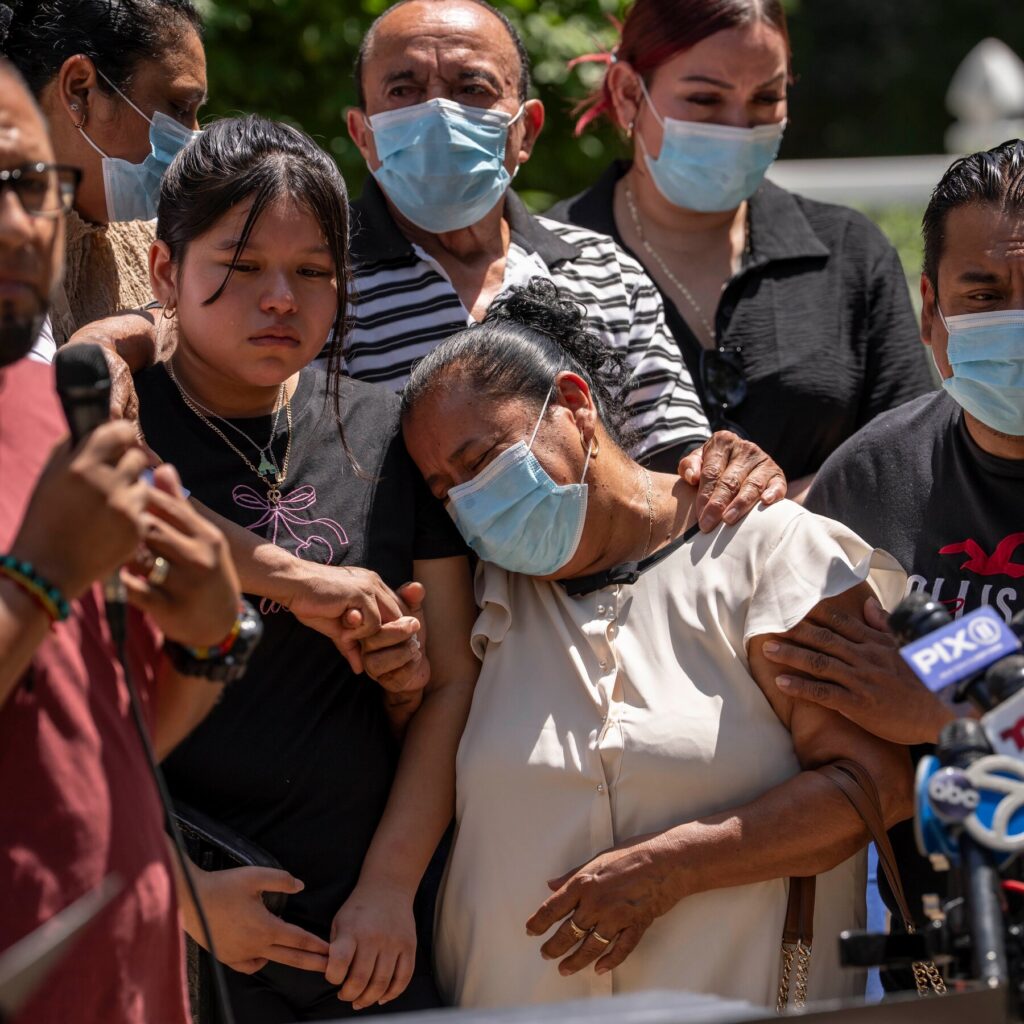
Lopez-Cornejo’s family has publicly expressed frustration and grief over the lack of access to his medical history and details surrounding his death. They argue that obtaining these records is essential to understanding whether appropriate medical care was administered and if any negligence or misconduct contributed to the fatal outcome.
Their insistence on transparency reflects a common struggle faced by many families of immigrant detainees, who often encounter barriers when seeking information about their loved ones’ health and treatment while in federal custody. This lack of access not only complicates their ability to grieve and seek justice but also fosters mistrust toward the agencies responsible for detainee welfare. The family’s experience exemplifies the emotional and legal challenges that arise when federal authorities withhold critical information.
Concerns About Healthcare and Conditions in Immigration Detention Centers
The circumstances surrounding Edwin Lopez-Cornejo’s death underscore longstanding concerns about the quality of healthcare and overall conditions in immigration detention centers across the United States. Numerous advocacy organizations and legal experts have criticized these facilities for providing inadequate medical services, including delays in treatment and insufficient monitoring of detainees’ health needs.
Detainees frequently report challenges in obtaining timely medical evaluations, access to necessary medications, and appropriate follow-up care. Such deficiencies can exacerbate existing health conditions and, in some cases, lead to preventable deaths. Furthermore, the lack of transparency regarding detainee deaths and medical treatment complicates efforts to hold detention centers accountable and implement meaningful reforms.
These issues are compounded by the often-overcrowded and under-resourced nature of detention centers, where staff shortages and limited medical infrastructure can hinder effective care. The Lopez-Cornejo case highlights how these systemic shortcomings may have fatal consequences, emphasizing the urgent need to address healthcare disparities within detention settings.
Federal Oversight and Accountability Challenges
Delaney Hall operates under federal jurisdiction, with agencies such as U.S. Immigration and Customs Enforcement (ICE) tasked with overseeing detainee welfare. However, critics argue that existing oversight mechanisms are insufficient to guarantee detainee safety and transparency.
The refusal to release medical records in Lopez-Cornejo’s case exemplifies the difficulties families face in obtaining critical information. This lack of openness hinders independent investigations and fuels public concern about potential misconduct or neglect within detention facilities. It also raises questions about the effectiveness of current accountability structures and the need for stronger safeguards to protect detainees’ rights.
Advocates call for enhanced external monitoring, including independent medical reviews and greater public reporting on detainee health outcomes. Without such measures, families and the public remain in the dark about conditions inside detention centers, undermining trust in federal agencies responsible for immigrant welfare.
Broader Implications for Immigration Detention Policy
The death of Edwin Lopez-Cornejo adds to a growing list of incidents that have sparked calls for comprehensive reform of the immigration detention system. Advocates emphasize the urgent need for improved healthcare standards, enhanced oversight, and greater transparency to ensure the protection of detainees’ rights and well-being.
Policy discussions increasingly focus on exploring alternatives to detention, such as community-based programs, and implementing measures that guarantee humane treatment for immigrants awaiting legal proceedings. These alternatives aim to reduce reliance on detention facilities, which have been criticized for their harsh conditions and health risks.
The Lopez-Cornejo case serves as a poignant reminder of the human cost associated with current detention practices and the imperative for systemic change. It highlights how inadequate medical care and opaque administrative practices can have tragic consequences, underscoring the need for policies that prioritize dignity, health, and justice for detained immigrants.
What this means
The tragic death of Edwin Lopez-Cornejo while in federal immigration detention has brought renewed attention to critical issues surrounding detainee treatment and transparency in the United States. His family’s fight for access to medical records and answers exemplifies broader systemic challenges faced by immigrants in custody. Addressing these concerns requires not only thorough investigations into individual cases but also comprehensive reforms to ensure humane conditions, adequate healthcare, and accountability within the immigration detention system. As public scrutiny intensifies, policymakers and federal agencies must prioritize the rights and dignity of detainees to prevent further tragedies and restore trust in the system.
Source: Family Demands Answers About Death of Immigrant Held at Detention Center via www.nytimes.com.
This article was curated with AI assistance and reviewed according to Tamfis editorial settings.