
News
RUSSIA versus NATO and BRICS vs. NATO Military SWOT
Recall that Poland’s Minister Sikorski’s core claim is partially supported by the numbers, but the framing “quite quickly” and “without the U.S.” does not…
TAMFIS NIG LTDRC 8067447CAC ACTIVEFinima, Bonny Island, Rivers State

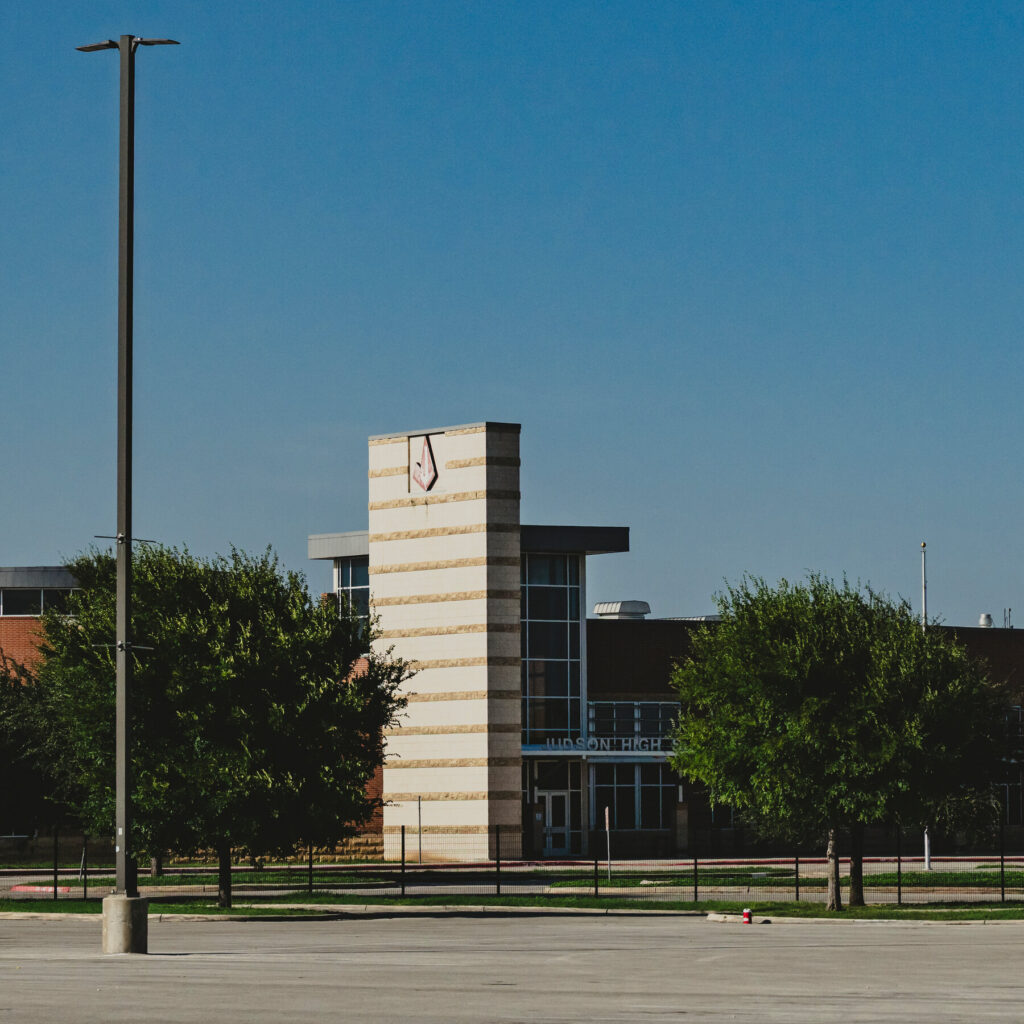
In Texas, the presence of police officers in schools has become a widespread practice aimed at ensuring safety and preventing violence. However, a recent incident involving the use of physical force by a school police officer has reignited discussions about the appropriateness, impact, and oversight of policing within educational settings. This article examines the details of this event, situates it within the broader landscape of school policing across Texas, and explores the concerns voiced by educators, parents, and policymakers regarding the role and conduct of law enforcement on school campuses.
A recent event at a Texas school has brought renewed attention to the frequent use of physical force by school police officers. While specific details about this particular incident remain limited, it is one among thousands of similar occurrences reported across the state in recent years. These incidents often involve officers intervening in student behavior, sometimes escalating to physical restraint or force.
This incident highlights the complex dynamics involved in balancing the goal of maintaining safety with respecting students' rights and well-being. It raises critical questions about the training, protocols, and oversight mechanisms that govern how school officers conduct themselves during such encounters. The frequency of these events underscores the need for a deeper examination of how law enforcement operates within schools and the impact on students.
Texas is notable for having one of the highest rates of law enforcement presence in schools nationwide. Many school districts employ school resource officers (SROs) with the intention of deterring violence, responding promptly to emergencies, and fostering positive relationships with students. The underlying rationale is to create a secure environment that supports learning and protects students and staff.
However, the widespread deployment of officers has led to increased interactions between students and police, some of which result in disciplinary actions or physical interventions. Data indicates that the use of physical force by school officers is not uncommon, contributing to a broader pattern that some experts describe as the 'criminalization' of student behavior. This trend raises concerns about the potential consequences of involving law enforcement in routine disciplinary matters.
Critics argue that the presence of police in schools can lead to negative outcomes, including the disproportionate targeting of minority students and the escalation of minor disciplinary issues into criminal matters. The use of physical force, in particular, raises alarms about student safety and the potential for trauma.
Educators and parents have expressed worries that law enforcement approaches may undermine the educational mission by fostering an atmosphere of surveillance rather than support. There is also concern about whether officers receive adequate training to handle youth behavior sensitively and appropriately, especially given the developmental and emotional needs of students.
Moreover, the recent incident in Texas underscores the ongoing debate about balancing security with respect for students' rights. Calls for clearer guidelines, increased transparency, and alternative approaches to school discipline have intensified, reflecting a growing demand for reforms that prioritize student well-being.
Proponents of school policing emphasize the role of officers in preventing violence and responding swiftly to threats. They argue that well-trained SROs can contribute positively by building trust with students and serving as mentors who support a safe school environment.
In response to concerns, some districts are revisiting policies to ensure officers receive specialized training in adolescent development, de-escalation techniques, and cultural competency. This training aims to equip officers with the skills necessary to manage student behavior in ways that minimize harm and avoid unnecessary use of force.
Additionally, there is growing interest in integrating mental health professionals and restorative justice practices alongside law enforcement. These complementary approaches seek to address the root causes of behavioral issues and promote healing and accountability rather than punishment alone.
The goal is to develop a multifaceted strategy that prioritizes both safety and the emotional and psychological well-being of students, recognizing that a supportive school climate is essential for effective learning and development.
The recent incident in Texas serves as a catalyst for policymakers to reevaluate the role of police in schools. Discussions are underway about developing standardized protocols for the use of force, enhancing accountability measures, and increasing community involvement in decision-making processes related to school safety.
Some advocates call for reducing police presence in favor of investing in counseling and social services that address students' needs more holistically. Others support maintaining officers on campuses but with improved training, oversight, and clearer boundaries regarding their role.
Ultimately, the challenge lies in crafting policies that protect students from harm while fostering a safe and supportive educational environment. This requires collaboration among school districts, law enforcement agencies, parents, students, and community stakeholders to create balanced approaches that reflect the diverse needs of school communities.
The recent incident in Texas is a stark reminder of the complexities involved in policing schools. While the presence of law enforcement aims to protect students and maintain safety, the frequent use of physical force and its broader implications for student rights and well-being cannot be overlooked. Moving forward, it is essential for school districts, policymakers, and communities to collaborate on strategies that ensure safety without compromising the supportive and nurturing environment that schools strive to provide. This includes reexamining training, oversight, and the integration of alternative disciplinary approaches to create a balanced and effective framework for school safety that respects the dignity and development of every student.
Originally reported by nytimes.com. Adapted for our readers with AI assistance.
Keep reading
News
Recall that Poland’s Minister Sikorski’s core claim is partially supported by the numbers, but the framing “quite quickly” and “without the U.S.” does not…
Politics
In August 2025, Zespri, the world’s largest marketer of kiwifruit, announced that the European Commission had approved what it described as the first health…
News
By Engr. Tamunofiniarisa BrownReading Time: 6 Minutes The conflict between Russia and Ukraine is often framed in the media as a simple battle between…
TAMFIS NIG LTD
Electrical and instrumentation engineering, bid preparation and consulting, IT and software.