Politics
Yari’s 2027 Campaign Strategy: How to Evaluate Claims About Tinubu’s Record
Yari says the APC will emphasise Tinubu’s achievements in 2027. This analysis explains how voters can examine outcomes, baselines and campaign evidence.
TAMFIS NIG LTDRC 8067447CAC ACTIVEFinima, Bonny Island, Rivers State

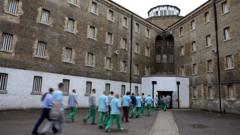
Prisons across England and Wales are operating at over 97% capacity, with just over 2,000 spaces remaining for nearly 87,000 inmates. To manage this pressure, the government introduced an early release scheme in 2024, freeing more than 70,000 prisoners to reduce overcrowding. However, many released inmates have been rapidly recalled for reoffending or breaching release conditions, undermining the scheme’s goals and creating a 'revolving door' phenomenon that exacerbates strain on facilities and staff.
Prisons in England and Wales are operating near full capacity, with overcrowding worsened by rapid recalls of early released prisoners. The 2024 early release scheme led to a 28% increase in licence recalls, rising from 40,259 to 51,419 in the year ending March 2026. This surge in recalls contributes to ongoing overcrowding and operational challenges, disrupting rehabilitation efforts and increasing operational costs. The rapid cycling of released prisoners back into custody creates a 'revolving door' phenomenon, where the same individuals cycle in and out of custody, exacerbating strain on facilities and staff.
With tens of thousands of cases backlogged in the criminal courts, the pressure on prisons to find space for new inmates remains acute. This backlog compounds the challenge of managing prison populations, as the system struggles to accommodate both new admissions and recalled prisoners. Governors report that the constant turnover disrupts rehabilitation programmes, as inmates are frequently returned before completing courses or interventions, increasing operational costs and reducing the effectiveness of custodial sentences.
Overcrowding results in unsafe conditions, including doubled-up cells and increased gang tensions due to regional mixing of inmates. Prison governors report that overcrowding and staff shortages create unsafe and stressful environments. Cells designed for single occupancy are often doubled up, raising serious health and safety concerns. These cramped conditions exacerbate issues such as infestations and undermine prisoners’ dignity and well-being, contributing to a deteriorating prison environment.
Overcrowding has also intensified gang tensions within prisons. Due to lack of space, inmates from rival regions or gangs are housed together, increasing the risk of violence and unrest. Governors highlight that regional mixing—such as inmates from Manchester and Liverpool or different parts of London—heightens threats and complicates maintaining order. The constant return of recalled prisoners adds to staff workload and emotional strain, placing frontline staff under considerable pressure as they manage frustrated and sometimes violent individuals without adequate resources or support.
Following public outrage over the potential early release of serious offenders, including the killers of PC Andrew Harper, Prime Minister Andy Burnham announced revisions to the early release scheme. From October, individuals convicted of unlawful killing, serious child sex offences, rape, grooming, indecent assault, and death by dangerous driving will be excluded from eligibility. These changes mean hundreds more prisoners will remain incarcerated, further limiting available space and increasing pressure on an already overstretched system.
Public concern is reflected in petitions with over a million signatures demanding certain offenders remain behind bars. While these exclusions address safety concerns, they add complexity to managing prison populations, as serious offenders often require higher security and longer sentences. The government also plans to create additional capacity by deporting foreign inmates and releasing some serving indefinite sentences, though these measures are unlikely to provide significant short-term relief due to legal and logistical challenges.
Prison governors emphasize that poor infrastructure contributes significantly to the crisis. Many prison cells and facilities have not been properly maintained for decades, leading to fragile infrastructure that frequently breaks down and reduces usable capacity. Some prisons have unusable cells due to maintenance issues, even amid overcrowding. The National Audit Office reports nearly a quarter of prison places fail to meet fire safety standards, underscoring the urgency of infrastructure investment to ensure safe and humane conditions.
Efforts to repurpose existing spaces to create more cells are underway but expected to take months, offering little immediate relief. Proper maintenance and upgrading of facilities are essential to prevent further deterioration and ensure the prison estate remains functional. Without addressing these long-term issues, short-term measures like early release schemes will continue to face limitations, as the system's capacity is undermined by deteriorating infrastructure. Long-term solutions require significant investment in prison infrastructure and maintenance to prevent further deterioration and support sustainable operations.
Prison governors, often speaking anonymously due to media restrictions, express frustration at being excluded from planning discussions. The president of the Prison Governors Association criticized the lack of advance briefing on government plans, questioning how staff can manage prisoner expectations and tensions without clear communication. This lack of consultation hampers effective implementation of policies and exacerbates frustration among frontline workers.
Frontline staff warn that without adequate resources and clear communication, the prison system risks further deterioration, affecting inmates, staff, and the wider community. The justice secretary is expected to provide further details on the revised early release scheme, including the number of prisoners affected. Opposition figures have raised concerns about releasing inmates serving indefinite life sentences, emphasizing risks posed by those deemed unsafe by independent assessors. The Ministry of Justice defends recall as a vital tool for public safety and highlights reforms including building new prison places and expanding electronic tagging. However, the backlog in criminal courts and persistent overcrowding indicate systemic challenges remain that require comprehensive reform.
The overcrowding crisis in England and Wales prisons underscores the complexity of balancing public safety, rehabilitation, and operational capacity. Early release schemes provide short-term relief but are undermined by rapid recalls and infrastructure deficits. Recent policy changes reflect public demand for stricter controls on serious offenders but add pressure to an already stretched system. Addressing these challenges requires a comprehensive approach, including investment in facilities, improved staff support, and a criminal justice system capable of managing case volume and complexity. Without such measures, the prison system risks further deterioration, impacting inmates, staff, and society.
Originally reported by bbc.co.uk. Adapted for our readers with AI assistance.
Keep reading
Politics
Yari says the APC will emphasise Tinubu’s achievements in 2027. This analysis explains how voters can examine outcomes, baselines and campaign evidence.
Lifestyle
Obi says his wife funds her own purchases. This analysis separates his explanation, unverified handbag prices and the evidence needed to assess public spending.
Politics
Politics tamfitronics Minnesota Gov. Tim Walz attends a rally in Asheville, North Carolina, on Sept. 17. Minnesota led the way on in...
TAMFIS NIG LTD
Electrical and instrumentation engineering, bid preparation and consulting, IT and software.