Politics
Science vs politics: Kiwi’s long road to EU health-claim approval
In August 2025, Zespri, the world’s largest marketer of kiwifruit, announced that the European Commission had approved what it described as the first health…
TAMFIS NIG LTDRC 8067447CAC ACTIVEFinima, Bonny Island, Rivers State

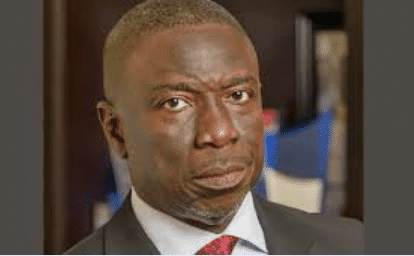
The 2020 Edo State governorship election was marked by intense political rivalry and controversies, culminating in a declaration that stirred strong reactions from key stakeholders. Asue Ighodalo, the Peoples Democratic Party (PDP) candidate, has publicly refuted accusations of vote buying leveled against his party, instead pointing fingers at the All Progressives Congress (APC) and the Independent National Electoral Commission (INEC). Amid claims of electoral malpractice and alleged monetary inducements by the APC, the election results have sparked debates on the integrity of the democratic process in Edo State. This article delves into Ighodalo’s statements, the election dynamics, and the broader implications for political governance and electoral justice in Nigeria.
The Edo State governorship election held on September 21, 2020, was a highly contested political event involving major parties such as the All Progressives Congress (APC), the Peoples Democratic Party (PDP), and the Labour Party. The election attracted widespread attention due to the state's strategic importance and the competitive nature of the candidates.
Senator Monday Okpebholo, representing the APC, was declared the winner by the Independent National Electoral Commission (INEC), securing 291,667 votes. His closest rival, PDP candidate Asue Ighodalo, garnered 247,274 votes, while the Labour Party candidate, Olumide Akpata, received 22,761 votes.
The election process saw heightened political activities, with parties deploying extensive campaigns. However, allegations of malpractice, including vote buying and electoral manipulation, quickly emerged, casting shadows over the legitimacy of the declared results.
In a notable interview on Channels Television’s Politics Today program, Asue Ighodalo emphatically denied any involvement by the PDP in vote buying during the Edo governorship election. He maintained that his party conducted a clean campaign devoid of financial inducements to voters.
Ighodalo explained that the PDP’s supporters in Edo State were deeply committed and that the party did not see the need for illicit practices to secure votes. He argued that the people’s support was genuine and reflected confidence in his candidacy.
He further revealed that PDP agents actively confronted individuals allegedly attempting to buy votes on behalf of other parties. According to him, PDP representatives went as far as harassing these agents to prevent vote buying in the polling units.
Ighodalo accused the APC of engaging in systematic vote buying, claiming that their agents distributed large sums of money to voters, with amounts ranging from ₦10,000 to ₦50,000 per vote. He described the notes as freshly minted, allegedly sourced directly from the Central Bank of Nigeria or commercial banks.
He also implicated the Independent National Electoral Commission in allegedly undermining the election’s fairness. Ighodalo suggested that INEC officials were complicit in enabling the APC’s misconduct, thereby compromising the democratic process in Edo State.
These accusations have fueled debates about electoral integrity, transparency, and the role of electoral bodies in safeguarding democracy. The allegations underscore the challenges faced in conducting free and fair elections in Nigeria.
Edo State has historically been a politically vibrant region with a diverse electorate. The 2020 election reflected deep-seated political divisions and intense competition among parties vying for control of the state government.
Ighodalo emphasized that the PDP enjoyed substantial grassroots support, which he believes was evident in the strong voter turnout and the sizeable votes his party received. He asserted that the people of Edo State were united in their desire for change and good governance.
Despite the contestations, many voters expressed concerns over the prevalence of vote buying and other unethical campaign practices, which they believe undermine the democratic process and erode public trust in electoral outcomes.
Following the announcement of the election results, the National Commissioner of INEC for Edo State, Rhoda Gumus, officially presented the Certificates of Return to Governor-Elect Monday Okpebholo and his deputy. This formalized their victory and transition into office.
However, the PDP, led by Ighodalo, rejected the election outcome, labeling it as a stolen mandate. The party announced plans to pursue legal avenues, including filing petitions with electoral tribunals to challenge the results and seek redress.
This legal contestation reflects the broader trend in Nigerian politics where electoral disputes are often resolved through judicial processes, highlighting the importance of an independent judiciary in electoral matters.
In response to questions about potential collaboration with the incoming administration, Ighodalo expressed his reluctance to accept any overtures of fellowship or friendship from the Governor-Elect, citing the contested nature of the mandate.
He stated that his loyalty remains with the people of Edo State who he believes freely gave him their mandate. His focus is on reclaiming this mandate through court processes before considering any form of political cooperation.
This firm stance underscores the deep political divide and mistrust between the major political parties in Edo State, which may impact governance and policy implementation in the near term.
The controversies surrounding the Edo governorship election raise critical questions about the state of democracy in Edo State and Nigeria at large. Allegations of vote buying and electoral manipulation threaten to undermine public confidence in electoral institutions.
Ensuring transparent and credible elections is essential for political stability, social cohesion, and economic development. The role of electoral bodies like INEC in maintaining impartiality and enforcing electoral laws is crucial in this context.
Moreover, political parties must commit to ethical campaign practices and respect for democratic norms to foster a culture of accountability and trust among the electorate.
As Edo State moves forward, the resolution of electoral disputes and the restoration of public confidence will be vital for the state’s political and social progress. The judiciary’s handling of election petitions will set precedents for future electoral contests.
Engagement between political stakeholders, civil society, and electoral bodies can help address systemic challenges and promote reforms aimed at strengthening democratic governance in Edo State.
Ultimately, the commitment of all parties to peaceful coexistence, respect for the rule of law, and prioritization of the citizens’ welfare will determine the trajectory of Edo State’s political landscape in the coming years.
The Edo State governorship election of 2020 has brought to the fore significant issues concerning the conduct and integrity of elections in Nigeria. While the APC was declared the winner, the PDP, through its candidate Asue Ighodalo, has raised serious allegations of vote buying and electoral malpractice, implicating both the ruling party and the electoral commission. These developments underscore the urgent need for reforms in Nigeria’s electoral system to ensure transparency, fairness, and public confidence. As legal processes unfold, the people of Edo State await a resolution that upholds their democratic rights and fosters political stability. Moving forward, all stakeholders must prioritize ethical conduct and collaboration to strengthen democracy and governance in the region.
Originally reported by punchng.com. Adapted for our readers.
Keep reading
Politics
In August 2025, Zespri, the world’s largest marketer of kiwifruit, announced that the European Commission had approved what it described as the first health…
News
By Engr. Tamunofiniarisa BrownReading Time: 6 Minutes The conflict between Russia and Ukraine is often framed in the media as a simple battle between…
Politics
Twenty-five years after the September 11 attacks, the family of Marine Travis Fuller reflects on his death in the Iraq War, grappling with the…
TAMFIS NIG LTD
Electrical and instrumentation engineering, bid preparation and consulting, IT and software.