
Politics
Science vs politics: Kiwi’s long road to EU health-claim approval
In August 2025, Zespri, the world’s largest marketer of kiwifruit, announced that the European Commission had approved what it described as the first health…
TAMFIS NIG LTDRC 8067447CAC ACTIVEFinima, Bonny Island, Rivers State

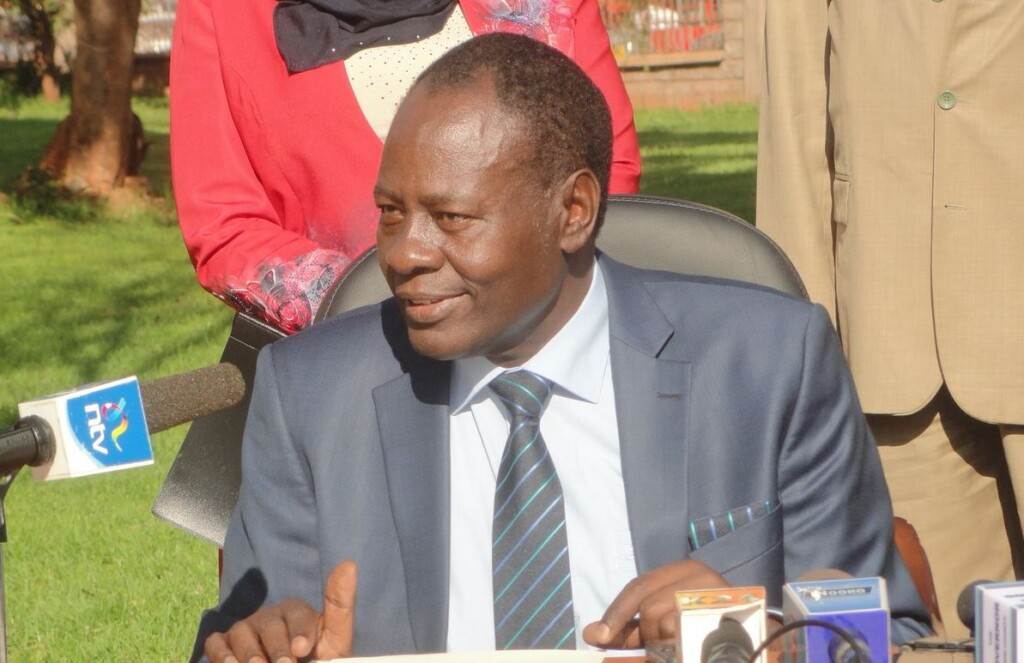
In Kenya’s dynamic political landscape, the personal fortunes of influential families often intersect with national affairs, creating narratives that captivate the public and shape political outcomes. One such story revolves around the late Nyeri Governor Nderitu Gachagua and his billionaire estate, which has recently come under intense scrutiny due to its implications for his brother, Deputy President Rigathi Gachagua. The revelation of a seven-year-old will penned by Nderitu has stirred controversy, influencing political debates and raising questions about wealth distribution and family legacies. This article delves into the details of the Gachagua family’s wealth, the contents of the will, and the broader political ramifications.
The Gachagua family has long been a significant force in Kenyan politics and business. Deputy President Rigathi Gachagua, a prominent political figure, is intrinsically linked to his late brother, Nderitu Gachagua, who served as the Governor of Nyeri County. Known for his entrepreneurial spirit and political acumen, Nderitu built a substantial business empire during his lifetime, encompassing diverse sectors such as real estate, construction, and hospitality.
The political environment in Kenya is often influenced by familial ties and wealth, making the Gachagua estate a subject of national interest. The recent emergence of Nderitu’s will amid impeachment proceedings against Rigathi Gachagua has added a complex layer to the political drama, highlighting how personal legacies can impact public officeholders.
Understanding the Gachagua family’s background is crucial to grasping the significance of the estate and its potential effects on Kenyan politics. The intertwining of family wealth and political power exemplifies the broader narrative of governance and influence in the country.
The will in question was drafted in February 2017, in a London hospital, by Governor Nderitu Gachagua. This document meticulously outlines the distribution of his extensive assets among family members and other beneficiaries. It has since become a pivotal piece of evidence in ongoing political and legal disputes.
The will’s timing and content have raised eyebrows, especially given its role in the impeachment motion against Deputy President Rigathi Gachagua. Executors of the estate, including Njorge Regeru and Mwai Mathenge, have presented the will as a legitimate and binding testament, challenging claims made against the Deputy President regarding ownership of key assets.
This document is not just a legal instrument; it also serves as a narrative that sheds light on the internal dynamics of the Gachagua family. By revealing the allocation of wealth, the will offers insight into the familial relationships and the complexities of managing a billionaire estate intertwined with political interests.
Nderitu Gachagua’s estate is vast and diversified, featuring prime real estate, construction companies, and other lucrative business ventures. Among the most notable assets are the Queensgate Serviced Apartments and Olive Gardens Hotel, both located in strategic urban areas and valued at hundreds of millions of Kenyan shillings.
Queensgate Serviced Apartments, once part of the Vipingo Beach Resort Ltd, was sold to the Cooperative Bank Staff Retirement Benefits Scheme for approximately Sh590 million. Olive Gardens Hotel, situated in Nairobi’s upscale Hurlingham area, changed hands to TM Civil Engineering for about Sh412 million. These transactions have been central to debates about asset ownership and inheritance.
Beyond these properties, the estate includes the Langata View Apartments, a significant real estate holding comprising 70 units. This property recently avoided demolition after legal interventions and remains a key asset to be distributed among the beneficiaries. Additionally, investments in quarries and construction firms reflect the entrepreneurial breadth of the late governor’s portfolio.
The will delineates a detailed distribution plan, naming a broad array of beneficiaries that include two wives, both named Margaret, children, siblings, and even a yoga instructor. This inclusivity reflects the complexity of the family structure and the late governor’s intent to provide for all connected parties.
One notable aspect of the will is the allocation of a 5% share of proceeds from major property sales to Deputy President Rigathi Gachagua. For instance, from the sale of Queensgate and Olive Gardens, the Deputy President was to receive approximately Sh50.1 million before taxes. This financial detail has been a focal point in political debates regarding the Deputy President’s source of wealth.
The involvement of concubines and their children in the inheritance plan further underscores the comprehensive nature of the will. It highlights the late governor’s acknowledgment of all familial bonds, which is a significant social and legal consideration in Kenyan inheritance practices.
The revelation of the will has not been without controversy. As the National Assembly investigates allegations tied to Deputy President Rigathi Gachagua, the executors of the estate have submitted the will as evidence to counter claims regarding the ownership of contested properties. This legal maneuvering has introduced new complexities into the impeachment proceedings.
The executors’ assertion that the disputed properties were owned by the late Governor Nderitu Gachagua rather than the Deputy President challenges the narrative used by opposition members to question Rigathi Gachagua’s financial integrity. This defense has the potential to influence political outcomes and public perception.
Moreover, the legal battles over the estate highlight broader issues within Kenyan politics, where wealth and property often become tools in political contests. The case exemplifies how personal and familial wealth can intersect with governance, raising questions about transparency, accountability, and the rule of law.
The executors, Njorge Regeru and Mwai Mathenge, play a critical role in managing and defending the estate. Their responsibilities include ensuring the will’s provisions are honored, overseeing asset sales, and navigating the legal challenges that have emerged amid the political controversy.
Their involvement has been instrumental in bringing the will to public attention and framing the narrative around the estate’s ownership. By presenting property transfer documents and sale agreements, they have sought to clarify misunderstandings and protect the interests of all beneficiaries.
Effective estate management is vital in cases involving high-profile families with substantial assets. The executors’ actions demonstrate the importance of legal stewardship in safeguarding legacies while balancing the pressures of public scrutiny and political interference.
The intertwining of the Gachagua family’s wealth with ongoing political developments has significant implications for Kenyan politics. The use of the will as a defense tool in an impeachment motion illustrates how personal fortunes can become pivotal in political battles, influencing both legislative processes and public opinion.
Public perception of Deputy President Rigathi Gachagua has been shaped by these revelations, with supporters viewing the will as vindication, while critics remain skeptical about the transparency of his financial dealings. This dynamic reflects the broader challenges of political accountability in Kenya.
Furthermore, the saga underscores the delicate balance between family loyalty and political ambition. As the nation watches closely, the unfolding events serve as a case study in how wealth, family, and politics intersect, often with unpredictable consequences.
The future of the Gachagua estate remains uncertain as legal and political processes continue. The resolution of property ownership disputes and the full execution of the will’s provisions will likely take time, influenced by court rulings and political developments.
For Deputy President Rigathi Gachagua, the outcome of the impeachment motion and the estate’s revelations will have lasting effects on his political career. The ability to navigate this complex intersection of family wealth and public office will be crucial in shaping his legacy.
More broadly, this case may prompt calls for greater transparency and regulation regarding the financial affairs of public officials in Kenya. The lessons learned could influence future policies aimed at curbing corruption and enhancing governance standards.
The story of Deputy President Rigathi Gachagua’s billionaire brother’s wealth and will offers a revealing glimpse into the complex fabric of Kenyan politics, family legacies, and business empires. As the nation grapples with the implications of this estate in the midst of political turmoil, it becomes evident that personal fortunes can wield significant influence in public affairs. The will’s detailed provisions and the ensuing legal challenges underscore the intricate relationship between wealth and power. Moving forward, this saga serves as a potent reminder of the need for transparency and accountability in both private and public spheres, shaping the future of governance in Kenya.
Originally reported by nairobiwire.com. Adapted for our readers.
Keep reading
Politics
In August 2025, Zespri, the world’s largest marketer of kiwifruit, announced that the European Commission had approved what it described as the first health…
News
By Engr. Tamunofiniarisa BrownReading Time: 6 Minutes The conflict between Russia and Ukraine is often framed in the media as a simple battle between…
Politics
Twenty-five years after the September 11 attacks, the family of Marine Travis Fuller reflects on his death in the Iraq War, grappling with the…
TAMFIS NIG LTD
Electrical and instrumentation engineering, bid preparation and consulting, IT and software.