
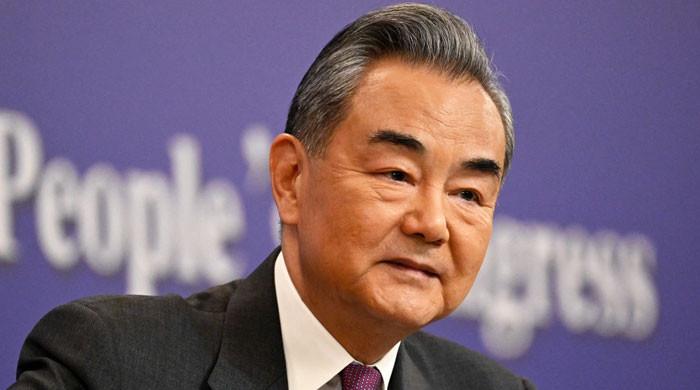
The complex relationship between China and the United States has long been characterized by a mixture of cooperation and rivalry. Recently, Chinese Foreign Minister Wang Yi publicly expressed China's readiness to work with the US, signaling a potential shift towards more constructive engagement. This article delves into the significance of this statement, the context of recent diplomatic interactions, and the challenges that continue to shape the bilateral dynamic. With global implications, understanding these developments is crucial for policymakers, businesses, and observers worldwide.
Context of Recent China-US Diplomatic Engagements
In November 2023, a landmark meeting took place between Chinese President Xi Jinping and US President Joe Biden, marking a pivotal moment in a relationship often marked by tension. The meeting underscored a mutual interest in stabilizing bilateral ties and fostering predictable interactions. Chinese Foreign Minister Wang Yi referenced this encounter as a foundation for renewed cooperation between the two powers.
The dialogue between Beijing and Washington has been influenced by a range of geopolitical factors, including trade disputes, technological competition, and differing approaches to global governance. Despite these challenges, both sides have expressed an understanding that stable relations are beneficial not only for their respective countries but also for global peace and prosperity.
Minister Wang Yi's recent remarks at a press conference in Beijing reaffirmed China's commitment to dialogue and collaboration. He emphasized that constructive engagement should replace confrontation, highlighting the potential for both nations to work together on issues of mutual interest such as climate change, economic recovery, and regional security.
China’s Call to End the 'Zero-Sum Mentality'
A significant theme in Wang Yi’s statements was the call for the United States to abandon what he described as a Cold War-era 'zero-sum mentality.' This mindset, he argued, views China's rise as a threat rather than an opportunity for cooperation. According to Wang, such an approach fuels unnecessary tensions and hampers global progress.
The Chinese government perceives US policies, including unilateral sanctions and efforts to contain China’s scientific and technological advancements, as detrimental to bilateral relations. Wang Yi urged Washington to recognize China's contributions to global cooperation, development, and stability, advocating for a more balanced and respectful engagement.
By encouraging the US to move beyond rivalry and suspicion, China aims to create a framework for collaboration that benefits both countries and addresses shared challenges. This shift could pave the way for enhanced trade relations, joint innovation initiatives, and coordinated responses to international crises.
The Taiwan Issue: A Persistent Point of Contention
Despite the overtures for cooperation, the Taiwan issue remains a deeply sensitive and contentious topic in China-US relations. Wang Yi reiterated Beijing’s stance that Taiwan is an inseparable part of China and emphasized that reunification is a core national objective. He underscored that Taiwan’s status is an internal Chinese matter.
The Chinese government strongly opposes any form of foreign interference or support for Taiwan’s independence. Wang criticized what he termed 'Taiwan independence separatist activities' and external disruptions, implicitly referring to US arms sales and political support for the island. These actions are viewed by Beijing as threats to regional peace and stability.
While Washington continues to maintain strategic ambiguity regarding Taiwan, providing defensive support to the island, China’s position remains firm. This ongoing dispute poses significant risks to bilateral relations and regional security, requiring careful diplomatic navigation to avoid escalation.
Prospects for Cooperation Amidst Political Transitions
With the US presidential elections scheduled for November 2024, questions arise about how political changes might affect Sino-American relations. Wang Yi described the elections as an internal US affair but emphasized that regardless of the outcome, the people of China and the US would continue to need exchanges and cooperation.
This perspective reflects Beijing’s policy of non-interference and a pragmatic approach to diplomacy. It suggests a willingness to work with any administration that prioritizes stable and constructive relations, focusing on long-term interests rather than short-term political considerations.
The continuity of engagement is critical in an era marked by global uncertainties. Both nations recognize that collaboration on issues such as climate change, public health, and economic recovery is essential, regardless of political leadership shifts.
Addressing Global Challenges Together
Beyond bilateral matters, China and the US face numerous shared global challenges that necessitate cooperation. Climate change stands out as a critical area where joint efforts could yield significant benefits. Both countries are among the largest emitters of greenhouse gases and have a pivotal role in global environmental governance.
Wang Yi highlighted the importance of peace and stability, which are foundational for addressing issues like pandemics, economic instability, and regional conflicts. Collaborative frameworks could enhance global resilience and promote sustainable development.
Moreover, international cooperation on technological innovation and scientific research presents opportunities for mutual gain. Overcoming political differences to harness collective capabilities can drive progress and set positive examples for multilateralism.
Navigating Military and Security Concerns
Military tensions, particularly in the Indo-Pacific region, continue to complicate China-US relations. Incidents in the South China Sea and increased military presence have heightened concerns about potential conflicts. Wang Yi’s remarks indirectly addressed these issues, urging restraint and peaceful coexistence.
The foreign minister criticized efforts to provoke tensions through alliances and military maneuvers, calling for respect of sovereignty and international law. He advocated for dialogue mechanisms that reduce misunderstandings and build trust between the two armed forces.
Establishing clear communication channels and confidence-building measures is essential to prevent accidental escalation. Both countries have a shared interest in maintaining regional stability, which is vital for trade routes and global economic health.
China’s Vision for a Stable Bilateral Future
Wang Yi’s statements reflect a broader vision for a stable, predictable China-US relationship grounded in mutual respect and win-win cooperation. This vision seeks to transcend rivalry and build a partnership that acknowledges both countries’ aspirations and concerns.
By emphasizing peaceful coexistence and collaboration, China aims to create an environment conducive to addressing bilateral and global challenges. This approach aligns with Beijing’s broader diplomatic strategy of promoting multilateralism and opposing hegemonic practices.
While obstacles remain, including ideological differences and strategic competition, the expressed willingness to engage signals a potential thaw in relations. The coming months will be critical in determining whether these intentions translate into concrete policies and actions.
Conclusion
The recent declarations by Chinese Foreign Minister Wang Yi highlight a nuanced approach toward the United States, balancing firm stances on sensitive issues like Taiwan with an openness to cooperation. This dual approach reflects the complexities inherent in China-US relations, where rivalry coexists with interdependence. Moving forward, the willingness to engage constructively offers hope for a more stable and predictable partnership. However, realizing this potential requires navigating deep-rooted challenges with diplomacy, mutual respect, and a shared commitment to global peace and prosperity.