Politics
How Minnesota Figures Into the Presidential Politics of Insulin Prices
Politics tamfitronics Minnesota Gov. Tim Walz attends a rally in Asheville, North Carolina, on Sept. 17. Minnesota led the way on in...
TAMFIS NIG LTDRC 8067447CAC ACTIVEFinima, Bonny Island, Rivers State

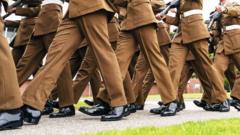
Recent allegations of sexual abuse within a renowned Army Training College have ignited public outrage and demands for accountability. The serious nature of these claims has prompted calls for an independent inquiry to ensure a thorough and impartial investigation. As the military institution faces intense scrutiny, stakeholders emphasize the importance of safeguarding trainees’ rights and restoring trust in the system. This article delves into the background of the allegations, responses from authorities, and the broader implications for military training institutions.
The controversy surrounding the Army Training College began when several trainees came forward with disturbing accounts of sexual abuse perpetrated by senior personnel. These allegations have raised serious questions about the safety and welfare of cadets within the institution. The claims span multiple incidents and reportedly involve patterns of misconduct that have persisted over time.
Initial reports indicated that victims faced intimidation and retaliation when attempting to report the abuse, highlighting systemic issues within the college’s grievance redressal mechanisms. This has led to growing concerns about the effectiveness of internal oversight and the culture of silence that may exist within military training environments.
The allegations have not only shocked the public but also triggered responses from human rights organizations and advocacy groups demanding justice for the survivors. The situation underscores the urgent need to address sexual abuse within military institutions comprehensively.
In response to the allegations, the Army has initiated an internal inquiry to investigate the claims. However, critics argue that such investigations lack transparency and independence, potentially compromising their credibility. Calls for an external, independent inquiry have intensified to ensure impartiality and accountability.
Military authorities have emphasized their commitment to upholding discipline and protecting the rights of all personnel. They have pledged to take appropriate action against those found guilty of misconduct. Nonetheless, the pace and scope of the internal investigations remain points of contention among stakeholders.
The government has also been urged to establish clear protocols for handling sexual abuse complaints within the armed forces, including victim support systems and preventive measures. Ensuring that investigations are victim-centric and free from institutional bias is seen as crucial to restoring confidence.
The psychological and emotional toll on survivors of sexual abuse within military training settings can be profound and long-lasting. Many victims reportedly suffer from trauma, anxiety, and a sense of betrayal, compounded by fears of stigmatization and career repercussions if they speak out.
Support systems for victims, including counseling and legal assistance, are often inadequate or inaccessible within the military framework. Advocates stress the importance of robust mechanisms that provide confidential and comprehensive care to survivors, helping them recover and seek justice.
Efforts to create safe reporting channels and protect whistleblowers are essential to encourage victims to come forward without fear. Establishing a culture that prioritizes victim welfare and zero tolerance for abuse is critical to addressing these challenges.
The allegations at the Army Training College reflect broader concerns about harassment and abuse in military training environments globally. Such institutions often operate under strict hierarchies, which can sometimes enable abuses of power and hinder transparency.
Addressing these issues requires systemic reforms, including enhanced oversight, gender sensitivity training, and clear disciplinary frameworks. Military academies must foster environments that promote respect, equality, and safety for all trainees regardless of rank or gender.
The scandal has also sparked debates about the role of civilian oversight in military affairs. Many experts advocate for independent civilian bodies to monitor military institutions and ensure compliance with human rights standards.
Sexual abuse within military contexts is governed by a combination of military law and national legal statutes. However, complexities in jurisdiction and the military’s internal disciplinary systems can sometimes impede effective prosecution and accountability.
Calls for reform include clearer legal provisions that protect victims’ rights, mandate timely investigations, and impose stringent penalties on perpetrators. Transparency in legal proceedings is vital to uphold justice and deter future misconduct.
Some countries have introduced specialized military courts or independent commissions to handle such cases, aiming to balance discipline with fairness. The Army Training College case underscores the necessity of such mechanisms to address sexual abuse allegations decisively.
Media coverage has played a pivotal role in bringing the allegations to light, amplifying the voices of survivors and ensuring public awareness. Investigative journalism has uncovered critical details that pressured authorities to respond more decisively.
Public opinion has overwhelmingly supported calls for an independent inquiry, reflecting growing intolerance for abuse and demand for institutional reform. Social media campaigns and advocacy efforts have further mobilized civic engagement around the issue.
However, media scrutiny also requires responsible reporting to protect victims’ privacy and avoid sensationalism. Balanced coverage that emphasizes facts and supports survivors is essential in fostering constructive dialogue.
In light of the allegations, experts recommend comprehensive reforms focusing on prevention, education, and accountability within military training colleges. This includes mandatory sexual harassment training and clear codes of conduct for all personnel.
Improving reporting mechanisms by establishing independent complaint committees and ensuring confidentiality can empower victims and deter potential offenders. Regular audits and evaluations of institutional culture are also critical to identify and address vulnerabilities.
Long-term change requires commitment from military leadership to prioritize human rights and create safe, inclusive training environments. Collaboration with civil society and legal experts can aid in developing effective policies that safeguard trainees.
Globally, several military institutions have faced similar challenges and have implemented measures to combat sexual abuse. Learning from international best practices can help shape effective responses tailored to the Army Training College’s context.
Countries that have introduced independent oversight bodies, victim support programs, and transparent disciplinary processes report improved trust and reduced incidents of abuse. These models emphasize accountability and survivor-centered approaches.
Engaging with international organizations focused on military ethics and human rights can provide valuable guidance. The Army Training College’s situation highlights the universal need for vigilance and reform to protect those who serve.
The allegations of sexual abuse at the Army Training College represent a critical juncture for military institutions tasked with training future leaders. Addressing these claims with transparency, accountability, and compassion is essential to uphold justice and restore trust. An independent inquiry offers the best path forward to uncover the truth and implement necessary reforms. By prioritizing victim welfare and systemic change, the military can reaffirm its commitment to integrity and the safety of all its members. Continued vigilance and proactive measures will be vital in preventing such abuses and fostering a culture of respect and dignity.
Originally reported by bbc.co.uk. Adapted for our readers with AI assistance.
Keep reading
Politics
Politics tamfitronics Minnesota Gov. Tim Walz attends a rally in Asheville, North Carolina, on Sept. 17. Minnesota led the way on in...
Politics
Deji Adeyanju; Niger State Mining Victims Human rights lawyer and activist, Deji Adeyanju, has accepted his appointment as a member of the Federal Government’s…
Politics
Democracy, Featured, Global, Global Governance, Headlines, International Justice, IPS UN: Inside the Glasshouse, TerraViva United Nations UNITED NATIONS, Sep 11 2026 (IPS) – When…
TAMFIS NIG LTD
Electrical and instrumentation engineering, bid preparation and consulting, IT and software.