
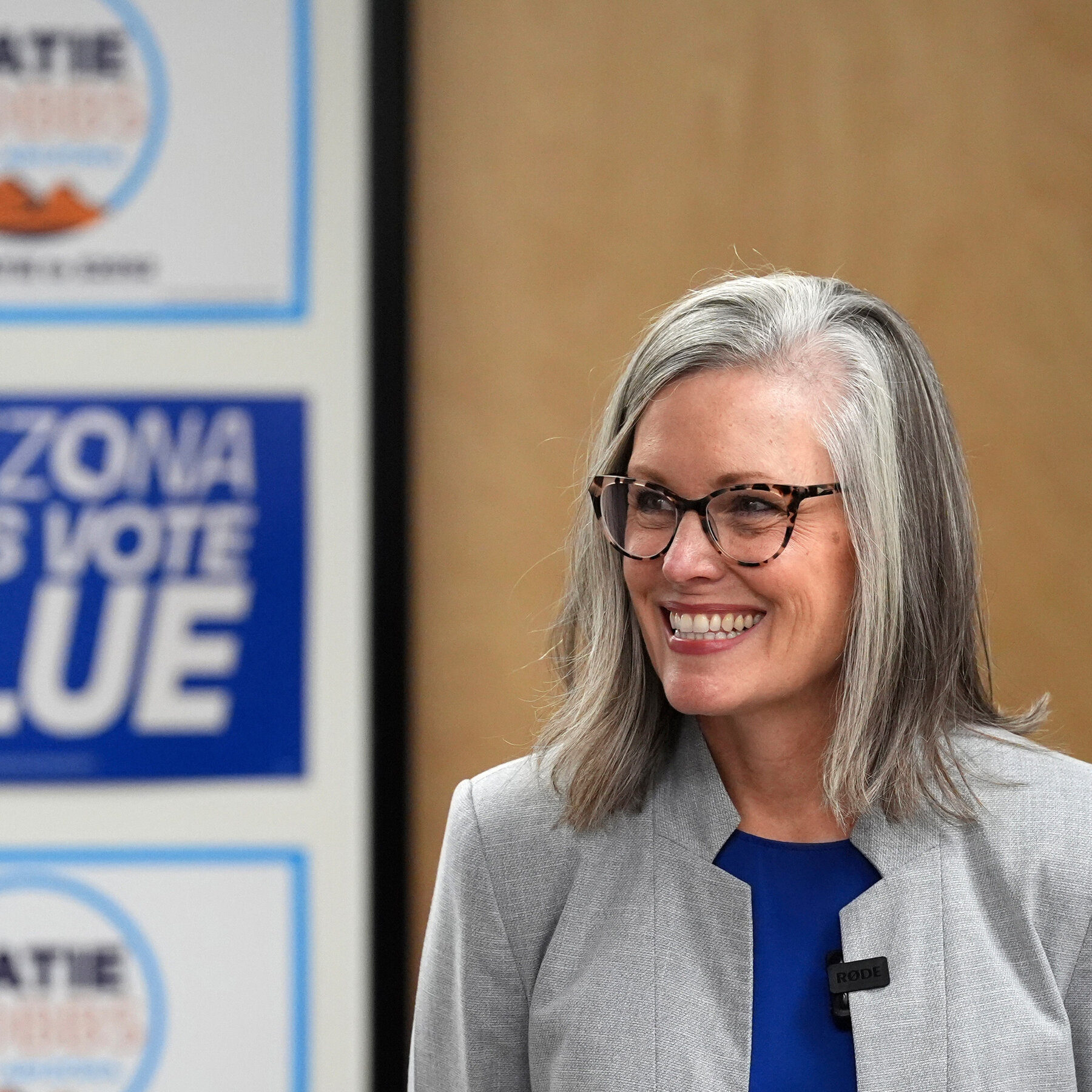
As the 2026 Arizona gubernatorial election approaches, incumbent Governor Katie Hobbs faces a highly competitive political environment. In a notable bipartisan strategy, Hobbs, a Democrat, intends to select John Giles, a moderate Republican and former mayor of Mesa, as her running mate. This unprecedented cross-party ticket reflects a broader effort to bridge political divides and attract moderate voters in a state known for its diverse and shifting political landscape.
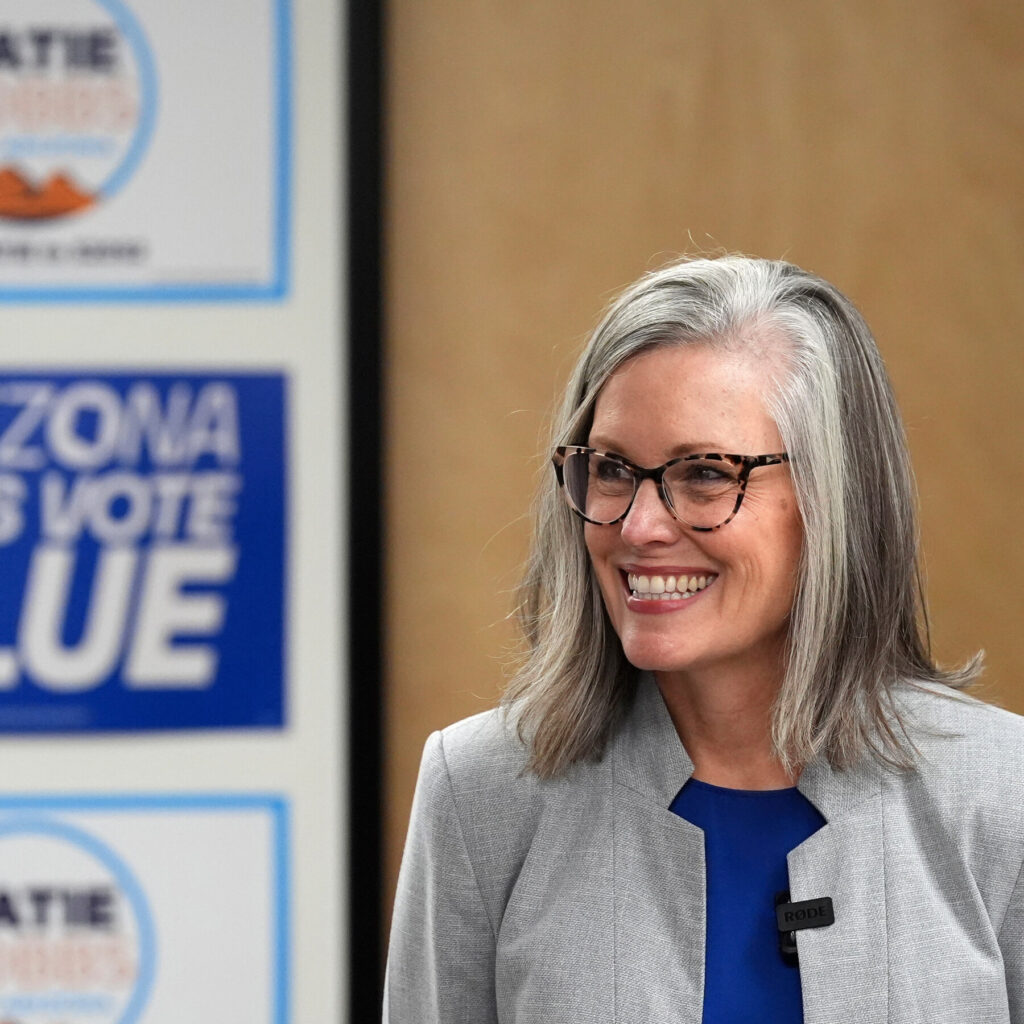
A Strategic Bipartisan Partnership
Governor Katie Hobbs’ decision to choose John Giles as her lieutenant governor candidate marks a significant departure from traditional party-line running mate selections. Giles, a moderate Republican with experience as Mesa’s mayor, brings a pragmatic and centrist approach to governance that complements Hobbs’ Democratic platform.
This bipartisan ticket aims to appeal to a wide spectrum of Arizona voters, particularly moderates and independents who may feel alienated by increasing political polarization. By partnering across party lines, Hobbs seeks to demonstrate a commitment to collaboration and practical solutions over partisan politics, signaling a willingness to prioritize effective governance and unity in a politically divided state.
Such a partnership is rare in contemporary American politics, where party loyalty often dictates campaign strategies. Hobbs’ move may set a precedent for future elections, encouraging candidates to look beyond party affiliations to address the pressing needs of their constituents.
Context of the 2026 Arizona Gubernatorial Race
Arizona’s political environment has become increasingly competitive and unpredictable in recent years. Once a reliably Republican stronghold, the state has evolved into a battleground with closely contested elections and a growing number of independent and moderate voters.
Governor Hobbs faces a challenging re-election campaign, with strong opposition from Republican candidates eager to reclaim the governorship. The choice of a moderate Republican running mate may be a calculated effort to consolidate support among centrist voters who are often pivotal in determining election outcomes in swing states like Arizona.
This approach acknowledges the nuanced political landscape, where voter preferences frequently cross traditional party boundaries, and where appealing solely to the Democratic base may not be sufficient for victory.
Arizona’s demographic shifts, including increasing urbanization and a diversifying population, contribute to the evolving political dynamics. These changes have made bipartisan appeal more crucial than ever for candidates seeking statewide office.
John Giles: A Moderate Republican Profile
John Giles served as the mayor of Mesa, Arizona’s third-largest city, where he earned a reputation for pragmatic leadership focused on local issues such as economic development, public safety, and infrastructure improvements. Known for his moderate stance within the Republican Party, Giles emphasizes bipartisan cooperation and practical governance over ideological rigidity.
His political philosophy aligns with a centrist approach, making him a strategic choice for Hobbs as his appeal to moderate Republicans and independents could help broaden the ticket’s base. Giles’ experience in municipal government also brings valuable insights into urban policy challenges facing Arizona, including growth management and community development.
By selecting Giles, Hobbs signals an intent to build a coalition that transcends party lines, aiming to unite voters around shared goals rather than partisan divisions.
Giles’ tenure in Mesa was marked by initiatives that prioritized economic growth balanced with quality of life improvements, reflecting his ability to navigate complex policy environments pragmatically.
Implications for Arizona’s Political Landscape
The bipartisan ticket proposed by Hobbs and Giles could signal a shift toward more collaborative politics in Arizona, a state often characterized by sharp partisan divides. If successful, this partnership might encourage other candidates and elected officials to consider cross-party alliances as a means to address complex state issues such as immigration, education, and economic growth.
This strategy reflects a growing recognition that effective governance in Arizona requires bridging ideological gaps and fostering cooperation among diverse constituencies.
However, the approach carries inherent risks. Some Democratic and Republican voters may view the alliance skeptically, perceiving it as a compromise of core party values or political opportunism. The success of this strategy will depend heavily on the candidates’ ability to clearly communicate their shared vision and policy goals, and to convince voters that their partnership is rooted in genuine commitment to Arizona’s future rather than electoral convenience.
Moreover, the bipartisan ticket could influence legislative dynamics if elected, potentially fostering a more cooperative environment in the state government, which has at times been marked by partisan gridlock.
Voter Reception and Election Outlook
Early reactions from voters and political analysts reveal a mix of curiosity and cautious optimism about the bipartisan ticket. For voters frustrated with partisan gridlock and political polarization, the Hobbs-Giles collaboration could represent a refreshing alternative focused on governance and problem-solving rather than party loyalty.
The November election remains highly competitive, and the success of this strategy will hinge on the campaign’s ability to mobilize a diverse coalition of supporters across the political spectrum. Both candidates will need to balance their party identities with a unifying message that emphasizes shared purpose, practical solutions, and respect for differing viewpoints.
As the campaign progresses, the effectiveness of this bipartisan ticket will be closely watched as a potential model for future elections in Arizona and other politically divided states.
Political observers note that the ticket’s appeal to moderates and independents could be decisive in a state where elections have increasingly hinged on swing voters.
What this means
Governor Katie Hobbs’ decision to partner with John Giles in the upcoming Arizona gubernatorial election underscores a strategic embrace of bipartisanship in a state marked by political complexity and evolving voter dynamics. This alliance seeks to bridge divides and appeal to a broad voter base, reflecting an evolving approach to state governance that prioritizes moderation and collaboration. While the success of this strategy remains uncertain, it highlights the increasing importance of pragmatic leadership and cross-party cooperation in contemporary electoral politics. As the election draws near, the Hobbs-Giles ticket will be a key focus for observers tracking Arizona’s political trajectory and the potential for new models of bipartisan governance.
Source: Arizona’s Democratic Governor Set to Pick a Republican Running Mate via www.nytimes.com.
This article was curated with AI assistance and reviewed according to Tamfis editorial settings.