Politics
How Minnesota Figures Into the Presidential Politics of Insulin Prices
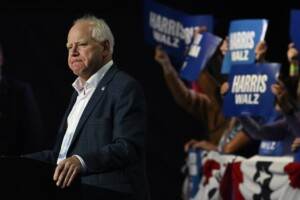
Politics tamfitronics Minnesota Gov. Tim Walz attends a rally in Asheville, North Carolina, on Sept. 17. Minnesota led the way on in...
TAMFIS NIG LTDRC 8067447CAC ACTIVEFinima, Bonny Island, Rivers State

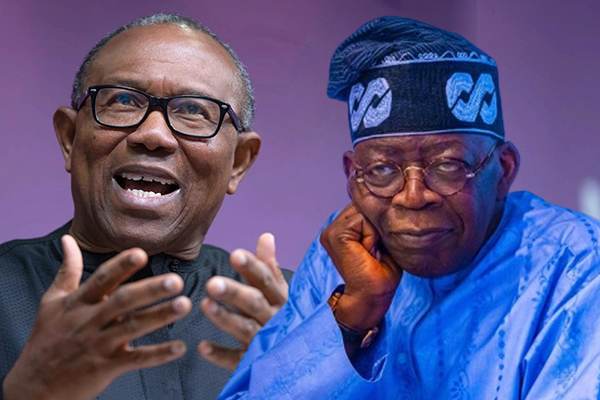
The political landscape in Nigeria continues to be charged as the ruling All Progressives Congress (APC) openly accused Peter Obi, former Labour Party presidential candidate, of inciting Nigerians against President Bola Tinubu. The accusation came after Obi made critical remarks on Nigeria's economic challenges, which the APC described as misleading and inflammatory. This article delves into the claims and counterclaims between the two political figures, the broader economic context, and the potential impact on Nigeria's political stability and democratic process.
Peter Obi, in a tweet on July 22, 2024, emphasized that Nigeria would not achieve a peaceful and secure society until politics is viewed as a service to the people. He highlighted concerns about the economy, stating that both foreign and local investors are losing faith in Nigeria’s future economic growth.
Obi criticized Nigerian leaders for prioritizing personal luxury over the nation’s welfare. His remarks painted a picture of economic mismanagement, suggesting that the current administration under President Bola Tinubu has failed to address critical economic challenges effectively.
These comments reflect Obi’s broader political stance, which often centers on accountability, transparency, and economic reform. His critique resonated with many Nigerians frustrated by persistent economic hardships, including inflation, unemployment, and infrastructure deficits.
The All Progressives Congress swiftly responded, issuing a statement through its spokesman, Felix Morka, on July 23, 2024. The APC accused Obi of using a “false and manipulative narrative” to stoke public outrage against the Tinubu administration.
The party described Obi’s economic analysis as a mix of half-truths and blatant distortions aimed at undermining the government’s legitimacy. They argued that economic challenges are a global phenomenon and not unique to Nigeria or the APC-led government.
The APC also condemned Obi’s claim that the economic crisis stemmed solely from nine years of APC leadership, calling it revisionist and dishonest. They emphasized that Obi’s assessment ignored the multifaceted causes of Nigeria’s economic difficulties.
The tension between APC and Peter Obi must be understood in the broader context of Nigeria’s polarized political environment. Obi, as a prominent opposition figure, has been critical of the ruling party’s policies since the 2023 elections.
The APC’s allegations that Obi is ‘working up his mob’ ahead of planned protests reflect fears of political unrest and destabilization. Such accusations underscore the fragile nature of Nigeria’s democracy and the challenges of maintaining peaceful political discourse.
This political rivalry is not just about economic policies but also about control of the narrative and public opinion, especially as Nigeria approaches critical elections and governance milestones.
While critics like Obi highlight Nigeria’s economic woes, the APC points to several policy interventions aimed at stabilizing and growing the economy. These include diversification efforts, infrastructure development, agricultural reforms, and social welfare programs.
The government claims tangible successes, such as attracting over $20 billion in investments within the last year and recording a historic ₦6.52 trillion trade surplus in the first quarter of 2024—marking a shift from previous trade deficits.
Additionally, the Central Bank of Nigeria has reportedly cleared foreign exchange debts owed to airlines and other economic actors, contributing to an expansion of foreign reserves to over $34 billion, the highest in recent years.
Both Peter Obi and the APC present narratives rooted in political interests, which complicates an objective assessment. Obi’s emphasis on leadership failure and economic decline resonates with citizens facing daily hardships, while the APC highlights macroeconomic indicators and policy initiatives.
Economic challenges in Nigeria are complex, involving global factors such as commodity price fluctuations, inflationary pressures, and geopolitical uncertainties. No single administration can fully control these variables, which means attributing blame is often an oversimplification.
Understanding the nuances requires careful analysis of economic data, policy outcomes, and social impacts, rather than accepting politicized statements at face value.
The exchange of accusations between the APC and Peter Obi risks deepening political divisions and social unrest. The APC’s warning about planned protests and Obi’s call for political service to the people highlight a clash of approaches to governance and dissent.
If political discourse continues to be framed in terms of incitement and mobilization against opponents, it could erode democratic norms and fuel instability. This is particularly concerning in a country with a history of electoral violence and ethnic tensions.
Promoting constructive dialogue, fact-based debate, and inclusive governance is crucial to maintaining peace and advancing Nigeria’s democratic consolidation.
Social media platforms have become battlegrounds for political narratives in Nigeria, amplifying both Obi’s criticisms and the APC’s counterclaims. Tweets, statements, and viral posts influence public perception and can escalate tensions rapidly.
The media’s role in verifying facts, providing balanced coverage, and avoiding sensationalism is more important than ever. Responsible journalism can help bridge divides by focusing on issues rather than personalities.
Ensuring that citizens have access to accurate information empowers them to make informed decisions and reduces the risk of manipulation by partisan actors.
As Nigeria moves forward, the need for collaborative leadership and policy coherence is critical. Both the ruling party and opposition must engage constructively to address the country’s economic and social challenges.
Building public trust requires transparency, accountability, and tangible improvements in living standards. Political leaders must rise above rhetoric and focus on serving Nigerians’ interests.
Ultimately, Nigeria’s progress depends on a united effort to strengthen democratic institutions, foster economic resilience, and ensure inclusive development for all citizens.
The accusation by the APC that Peter Obi is inciting Nigerians against President Bola Tinubu underscores the intense political rivalry shaping Nigeria’s current landscape. While Obi’s critiques highlight genuine economic frustrations felt by many Nigerians, the APC’s defense points to ongoing efforts to revive the economy and maintain stability. Navigating this complex interplay of politics and economics requires all stakeholders to engage in honest, fact-based dialogue and prioritize the nation’s welfare. Only through mutual respect and cooperation can Nigeria hope to overcome its challenges and build a peaceful, prosperous future.
Originally reported by pulse.ng. Adapted for our readers.
Keep reading
Politics
Politics tamfitronics Minnesota Gov. Tim Walz attends a rally in Asheville, North Carolina, on Sept. 17. Minnesota led the way on in...
Politics
Deji Adeyanju; Niger State Mining Victims Human rights lawyer and activist, Deji Adeyanju, has accepted his appointment as a member of the Federal Government’s…
Politics
Democracy, Featured, Global, Global Governance, Headlines, International Justice, IPS UN: Inside the Glasshouse, TerraViva United Nations UNITED NATIONS, Sep 11 2026 (IPS) – When…
TAMFIS NIG LTD
Electrical and instrumentation engineering, bid preparation and consulting, IT and software.