
News
RUSSIA versus NATO and BRICS vs. NATO Military SWOT
Recall that Poland’s Minister Sikorski’s core claim is partially supported by the numbers, but the framing “quite quickly” and “without the U.S.” does not…
TAMFIS NIG LTDRC 8067447CAC ACTIVEFinima, Bonny Island, Rivers State

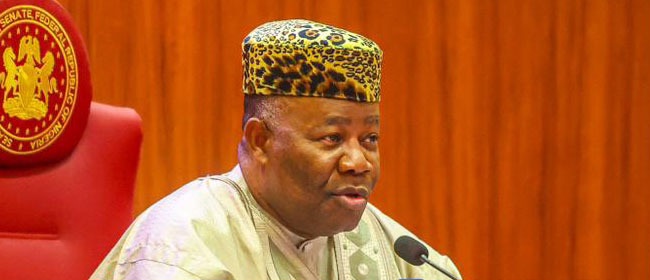
In a bold declaration that resonates deeply with the Nigerian workforce, Senator Godswill Akpabio has asserted that no Nigerian will ever again be subjected to inhuman working conditions. This statement underscores a renewed focus on improving labor standards, protecting workers' dignity, and fostering environments that promote wellbeing and productivity. As Nigeria continues to grapple with various socio-economic challenges, Akpabio’s pledge offers hope for transformative changes in workplace policies and practices across the nation.
Nigeria’s labor landscape has long been marred by issues such as unsafe work environments, exploitation, and inadequate labor protections. Many Nigerian workers, especially in informal sectors, endure conditions that compromise their health, safety, and basic human rights. These challenges have contributed to widespread dissatisfaction and calls for systemic reforms.
Historically, factors like insufficient regulatory enforcement, corruption, and economic pressures have perpetuated these inhuman conditions. Workers often face long hours without proper compensation, exposure to hazardous materials, and lack of access to essential amenities, which collectively degrade their quality of life.
The persistence of these conditions has also attracted national and international criticism, prompting labor unions and civil society groups to demand urgent government intervention. Akpabio’s recent pronouncement signals a critical political commitment to addressing these deep-rooted issues.
Senator Akpabio’s assertion that no Nigerian will work under inhuman conditions reflects his broader vision for social justice and economic empowerment. He emphasizes that every worker deserves dignity, safety, and fair treatment, regardless of their sector or employment status.
His vision includes the implementation of stringent labor laws that prioritize worker safety, enforce fair wages, and provide mechanisms for grievance redressal. Akpabio advocates for collaboration between government agencies, employers, and labor unions to create sustainable improvements in the workplace.
Moreover, Akpabio highlights the importance of education and awareness campaigns to inform workers of their rights and encourage employers to adopt ethical labor practices. This holistic approach aims to transform Nigeria’s labor market into one that champions respect and inclusivity.
To realize the vision of humane working conditions, comprehensive policy reforms are necessary. This includes updating existing labor laws to reflect contemporary challenges and enforcing compliance through regular inspections and penalties for violations.
Akpabio supports the establishment of dedicated task forces to monitor workplaces, especially in high-risk industries such as mining, construction, and manufacturing. These task forces would work closely with health and safety experts to ensure that standards are met consistently.
Additionally, there is a push for incentivizing businesses that demonstrate commitment to improving worker welfare. Tax breaks, public recognition, and access to government grants could motivate employers to invest in better working environments.
Labor unions and civil society organizations play a crucial role in advocating for workers’ rights and holding employers and government accountable. Akpabio acknowledges their contributions and calls for stronger partnerships to amplify the impact of reforms.
Unions are instrumental in negotiating fair labor contracts, organizing strikes when necessary, and educating workers about their entitlements. Their grassroots presence ensures that the voices of marginalized workers are heard in policy discussions.
Civil society groups complement these efforts by conducting research, raising public awareness, and lobbying for legislative changes. Collaboration between these entities and government representatives like Akpabio is essential for sustained progress.
Despite strong commitments, several challenges impede the eradication of inhuman working conditions in Nigeria. Corruption and weak enforcement mechanisms often allow unscrupulous employers to flout labor laws with impunity.
Economic constraints also pose difficulties; many businesses, especially small and medium enterprises, struggle to meet higher labor standards without financial support. This economic reality requires balanced policies that protect workers without stifling business growth.
Furthermore, informal employment remains widespread, complicating regulatory oversight. Many workers operate outside formal contracts, making it difficult to guarantee protections or benefits. Addressing these challenges demands innovative solutions and inclusive policy frameworks.
Senator Akpabio has committed to championing legislative initiatives aimed at strengthening labor protections. This includes sponsoring bills that enhance workplace safety regulations, improve compensation structures, and expand social security coverage for workers.
His legislative agenda also focuses on increasing penalties for labor violations and establishing independent bodies to oversee compliance. Such measures are designed to deter malpractice and promote accountability among employers.
By leveraging his political influence, Akpabio seeks to build consensus across party lines and engage stakeholders in crafting laws that reflect the needs and aspirations of Nigerian workers.
Improving working conditions has far-reaching implications for Nigeria’s socio-economic development. Healthier and more satisfied workers are generally more productive, which can boost national economic output and competitiveness.
Better labor standards also help reduce poverty and inequality by ensuring fair wages and social protections. This contributes to social stability, which is vital for attracting investment and fostering sustainable growth.
Akpabio’s vision aligns with global development goals, particularly those related to decent work and economic growth. His commitment to eradicating inhuman labor conditions positions Nigeria as a country dedicated to upholding human dignity and advancing prosperity.
Sustaining improvements in working conditions requires continuous monitoring, transparent reporting, and active participation from all stakeholders. Akpabio emphasizes the need for robust accountability mechanisms to prevent regression.
Public awareness campaigns and worker empowerment initiatives must be ongoing to maintain momentum and ensure that gains are not lost. Technology can also play a role in facilitating whistleblowing and tracking compliance.
Ultimately, the success of these efforts depends on political will, societal commitment, and the collective resolve to uphold the rights and dignity of every Nigerian worker.
Senator Godswill Akpabio’s resolute stance against inhuman working conditions marks a significant milestone in Nigeria’s labor rights movement. His commitment to enacting policies that uphold workers’ dignity, safety, and fair treatment offers renewed hope for millions of Nigerians who have long endured exploitative environments. While challenges remain, the collaborative efforts of government, labor unions, civil society, and the private sector can drive transformative change. Ensuring that no Nigerian works under inhuman conditions ever again is not just a political promise but a necessary step towards building a just, prosperous, and inclusive society.
Originally reported by lifestyle.ng. Adapted for our readers.
Keep reading
News
Recall that Poland’s Minister Sikorski’s core claim is partially supported by the numbers, but the framing “quite quickly” and “without the U.S.” does not…
Politics
In August 2025, Zespri, the world’s largest marketer of kiwifruit, announced that the European Commission had approved what it described as the first health…
News
By Engr. Tamunofiniarisa BrownReading Time: 6 Minutes The conflict between Russia and Ukraine is often framed in the media as a simple battle between…
TAMFIS NIG LTD
Electrical and instrumentation engineering, bid preparation and consulting, IT and software.