
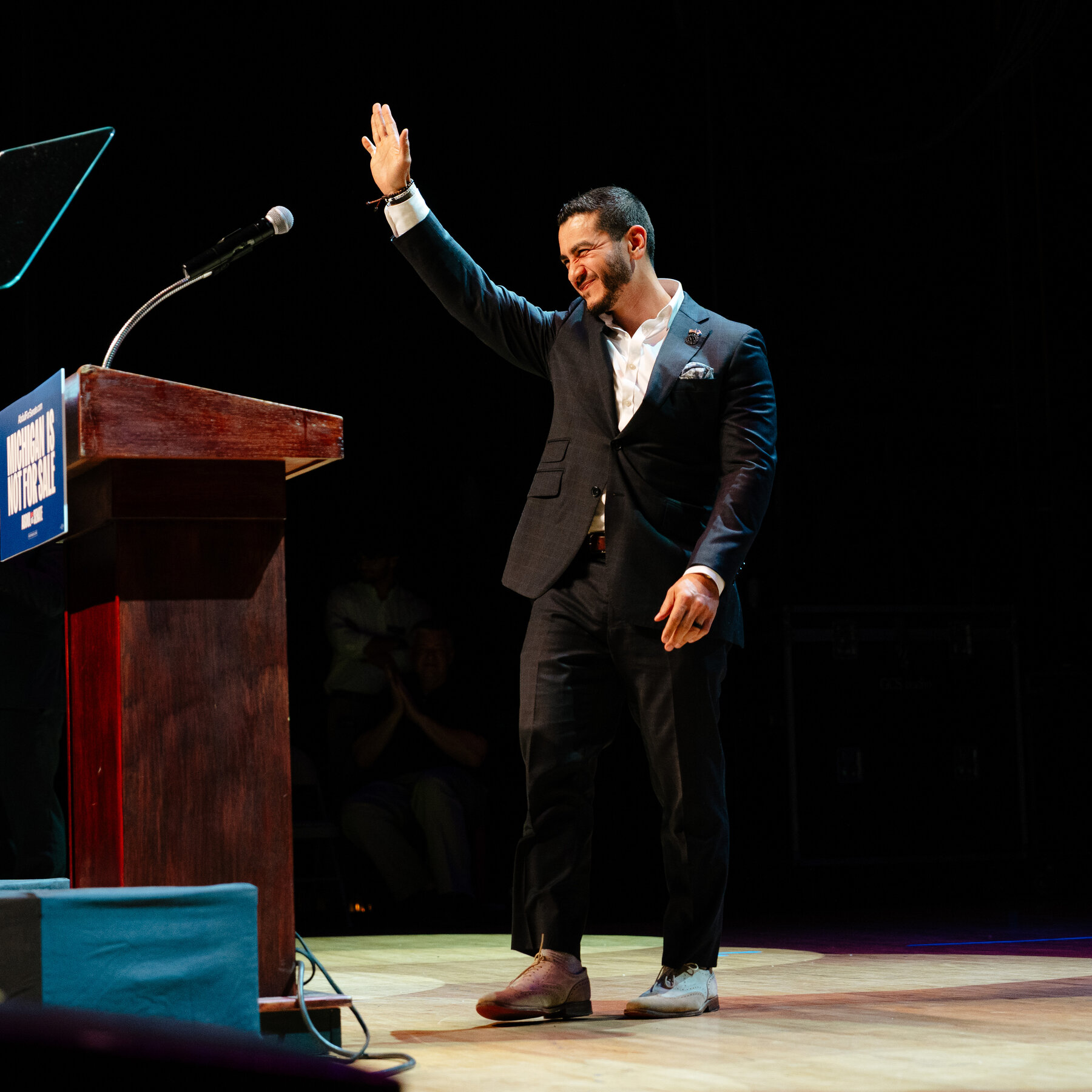
In a closely watched Democratic primary in Michigan, Dr. Abdul El-Sayed, a progressive political newcomer and former health official, secured a narrow victory over centrist Representative Haley Stevens. This outcome defies the expectations of many party leaders who favored Stevens as the safer choice in a key battleground state. El-Sayed’s win not only highlights the growing influence of the progressive wing within the Democratic Party but also raises critical questions about the future direction of Democratic electoral strategy in swing states. As Michigan prepares for the general election, El-Sayed’s candidacy will serve as a crucial test of whether unabashedly left-wing platforms can resonate with a broader electorate beyond the party’s traditional base.
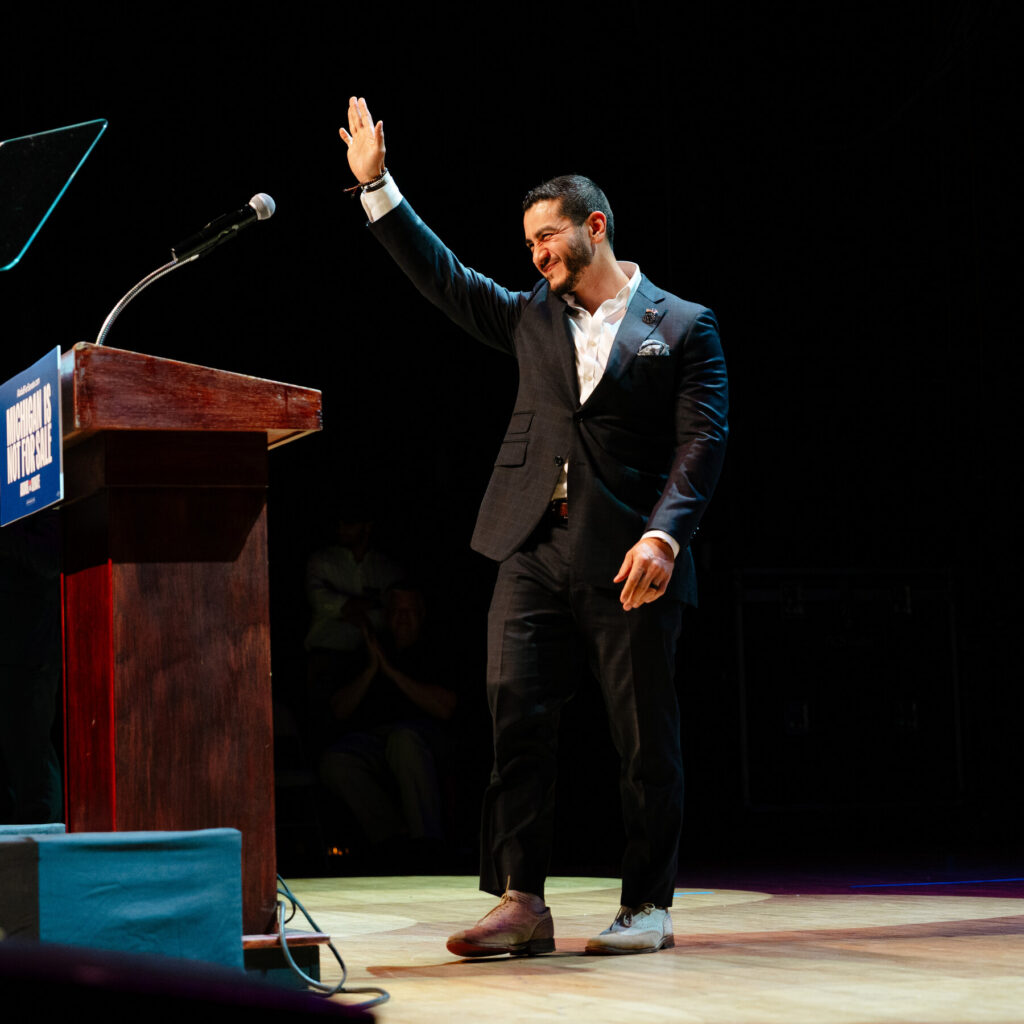
The Context of Michigan’s Senate Primary
Michigan’s political landscape has long been characterized by its swing-state status, with voters historically oscillating between Republican and Democratic candidates. The state notably voted for Donald Trump in both the 2016 and 2020 presidential elections, as well as for Ronald Reagan in the 1980s, underscoring its moderate and sometimes unpredictable electorate. This history makes Michigan a critical battleground where candidates must appeal to a diverse and often divided voter base.
Against this backdrop, the Democratic establishment rallied behind Haley Stevens, a centrist representative known for her pragmatic approach and experience in a competitive congressional district. Party leaders, including Michigan’s governor, members of Congress, and the attorney general, expressed concerns about El-Sayed’s electability, citing his lack of prior electoral victories and his progressive platform as potential liabilities in a state that demands broad appeal. They argued Stevens had the experience and moderate stance necessary to win tough races in a state that has swung between parties in recent decades.
El-Sayed’s Progressive Appeal and Coalition
Despite skepticism from party insiders, El-Sayed energized a coalition of younger voters and college-educated liberals with his progressive message. His platform emphasized populist economic reforms, such as expanding healthcare access, addressing income inequality, and tackling climate change, alongside social justice issues. This approach tapped into a growing appetite among certain Democratic constituencies for bold policy changes that challenge the status quo.
El-Sayed’s campaign capitalized on grassroots enthusiasm, particularly in wealthier, younger areas of Michigan’s urban centers and college towns. This demographic’s engagement was pivotal in securing his narrow plurality, reflecting a shift in the party’s base toward more progressive ideals. His ability to mobilize volunteers and small-dollar donors also underscored the strength of his insurgent campaign.
The Electability Debate Within the Democratic Party
El-Sayed’s primary victory reignites a longstanding debate within the Democratic Party about the path to winning swing states. Since Senator Bernie Sanders’ rise in 2016, progressives have argued that a populist economic agenda can unite working-class voters and energize the base by addressing systemic inequalities and corporate influence.
Conversely, centrists maintain that moderate positions are essential to attract suburban and swing voters who may be alienated by more left-wing proposals. They caution that overly progressive platforms risk losing key demographics, particularly Black and working-class voters who have historically been critical to Democratic victories in states like Michigan.
Michigan’s primary results provide a real-world test case for these competing theories. El-Sayed’s success among younger and more affluent voters contrasts with Stevens’ stronger performance in areas with larger Black and working-class populations, highlighting the complexity of coalition-building in diverse electorates. The split results illustrate the challenge of balancing ideological purity with broad electoral appeal.
Challenges Ahead for El-Sayed in the General Election
As El-Sayed transitions to the general election, he faces a formidable opponent in former Representative Mike Rogers, a Republican with previous congressional experience who left office in 2015. Rogers is expected to leverage his moderate reputation and deep ties within Michigan’s political landscape to mount a competitive campaign.
El-Sayed’s lack of a commanding mandate from Democratic voters, with more than half supporting other primary candidates, suggests potential challenges in unifying the party base. He must now broaden his appeal beyond the progressive coalition that propelled him to victory and address concerns among moderate Democrats and independents who may be wary of his left-wing policies.
The general election will test whether El-Sayed can convince a diverse electorate that his vision aligns with Michigan’s economic and social priorities, including job creation, healthcare, and public safety. His campaign will need to navigate the tightrope of maintaining progressive principles while appealing to swing voters in a politically divided state.
Implications for the Democratic Party’s Future
El-Sayed’s candidacy represents a critical moment for the Democratic Party as it grapples with internal divisions over ideology and strategy. A successful general election campaign could embolden the progressive wing and validate the argument that bold, left-leaning policies can win in moderate states and energize new voter coalitions.
Conversely, a loss could reinforce centrist arguments that moderation is necessary to reclaim and maintain swing-state victories, potentially slowing the momentum of progressive insurgents within the party. The outcome in Michigan will likely influence candidate recruitment, platform development, and campaign tactics in upcoming election cycles, shaping the party’s strategic direction.
Beyond Michigan, El-Sayed’s race will be closely watched by political analysts and party strategists as a bellwether for the viability of progressive insurgents in competitive environments. It will also impact how the party balances grassroots enthusiasm with pragmatic electoral considerations in future elections.
What this means
Dr. Abdul El-Sayed’s victory in Michigan’s Democratic Senate primary marks a significant moment for progressive politics and the broader Democratic Party. His candidacy challenges entrenched notions about what it takes to win in swing states and puts to the test the effectiveness of a progressive platform in appealing to a diverse electorate. As the general election approaches, El-Sayed’s campaign will not only determine the future representation of Michigan but also serve as a critical indicator of the Democratic Party’s evolving identity and electoral strategy. Regardless of the outcome, this race underscores the dynamic and contested nature of American politics today, where questions of ideology, strategy, and voter engagement remain at the forefront.
Source: El-Sayed’s Michigan Senate Primary Win Sets Up the Left’s Biggest Test of the Fall via www.nytimes.com.
This article was curated with AI assistance and reviewed according to Tamfis editorial settings.