
Politics
Science vs politics: Kiwi’s long road to EU health-claim approval
In August 2025, Zespri, the world’s largest marketer of kiwifruit, announced that the European Commission had approved what it described as the first health…
TAMFIS NIG LTDRC 8067447CAC ACTIVEFinima, Bonny Island, Rivers State

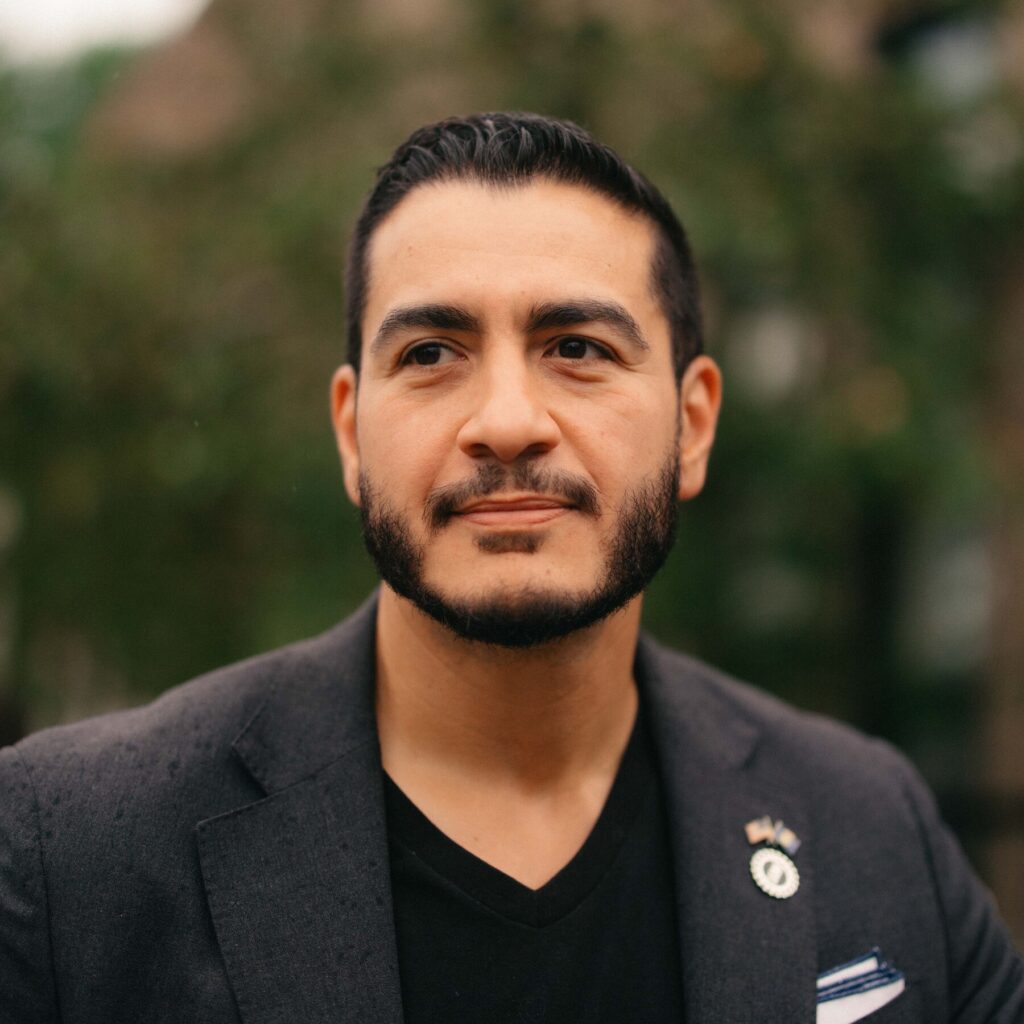
Abdul El-Sayed has emerged as a compelling figure within the progressive wing of American politics. Known for his dynamic presence and unwavering confidence, El-Sayed represents a hopeful vision for a more inclusive and transformative political agenda. However, his enthusiasm also exposes common blind spots within the progressive movement. Understanding these nuances is essential to assessing whether progressives can translate their ideals into sustainable electoral wins. This article examines El-Sayed’s political approach, the challenges facing progressives today, and lessons for the broader Democratic Party.
Abdul El-Sayed’s rise in politics is marked by his quick wit, magnetic personality, and infectious confidence that energizes supporters. With a background in public health and a commitment to progressive causes, he has become a leading voice advocating systemic change. His ability to connect with younger and diverse voters highlights a key strength of the progressive movement: authentic, passionate leadership.
El-Sayed’s campaigns emphasize bold policies such as universal healthcare, environmental justice, and economic equity. These proposals resonate deeply with voters eager for substantive change, reflecting a growing appetite for an agenda that challenges the status quo. This blend of charisma and visionary policy has helped him galvanize a dedicated base and elevate progressive issues in political discourse.
Despite their enthusiasm and clarity of purpose, progressives like El-Sayed often face a recurring challenge: overlooking the complexities of broader electoral dynamics. This blind spot appears in difficulties appealing to moderate voters, navigating party infrastructure, and addressing the diverse priorities of a wide electorate.
Skepticism from centrist Democrats about the feasibility of ambitious reforms is common. Progressives sometimes struggle to balance idealism with pragmatism, risking alienation of voters who prefer incremental progress over sweeping change. This tension between bold vision and practical politics can hinder building the broad coalitions necessary for electoral success.
El-Sayed’s experience illustrates these tensions. While his message energizes a passionate base, it limits crossover appeal, making statewide or national victories more elusive. Recognizing and addressing this blind spot is crucial for progressives aiming to convert enthusiasm into durable political power.
Michigan serves as a critical case study for understanding progressive politics within the Democratic Party. El-Sayed’s involvement there offers insights into the opportunities and obstacles progressives face in battleground states.
Michigan’s electorate is diverse, including urban progressives, suburban moderates, and rural voters with varied concerns. Navigating this landscape requires a nuanced strategy that balances bold policies with coalition-building. The state’s political environment tests how progressives can expand beyond their core supporters.
El-Sayed’s campaigns underscore the importance of grassroots organizing and mobilizing underrepresented communities, showing progressives’ potential to energize historically overlooked voters. Yet, they also reveal challenges in overcoming entrenched political structures and skepticism from established party leaders who view progressive agendas as too radical or impractical.
Michigan’s experience highlights the need for progressives to adapt messaging and tactics to resonate with a broader electorate, including suburban and rural voters, and to address a wider range of issues. Only then can the progressive vision translate into electoral success in competitive states.
El-Sayed’s journey reflects a larger debate within the Democratic Party about its future platform and electoral strategy. Progressives push for transformative change to address systemic inequalities, while moderates emphasize electability and incremental reforms.
This ideological divide presents both challenges and opportunities. If progressives refine their approach to build broader coalitions without compromising core values, they could reshape the party’s agenda and appeal, energizing the base and attracting disillusioned voters.
Conversely, failure to bridge these differences risks fracturing the party and weakening its ability to compete against Republicans. El-Sayed’s experience suggests progressives must engage in strategic compromises and outreach, collaborating with party institutions and moderates to create a unified front.
The ongoing dialogue between factions will likely define the Democratic Party’s trajectory in upcoming elections and its capacity to govern effectively. Balancing bold progressive ideals with pragmatic electoral strategies will shape the party’s success in addressing national challenges.
To overcome challenges highlighted by El-Sayed’s path, progressives should consider several strategic adjustments. Expanding outreach to moderate and independent voters is essential for building broad coalitions. This requires messaging that resonates across diverse communities and addresses varied concerns.
Emphasizing pragmatic policy implementation alongside visionary goals can reassure skeptical voters about the feasibility of progressive proposals. Demonstrating tangible benefits through pilot programs or local initiatives builds trust and credibility, showing progressive ideas can work in practice.
Fostering collaboration with party institutions and leaders enhances organizational support and resource access critical for competitive campaigns. Building relationships within party infrastructure helps progressives navigate political realities while advancing their agenda.
Maintaining authentic engagement with grassroots supporters is vital to keep the movement energized and connected to the communities it serves. This grassroots foundation sustains momentum and drives long-term political change.
Balancing these strategies requires nuanced leadership capable of navigating ideological commitments alongside electoral realities—a challenge El-Sayed and other progressives continue to face as they seek to transform American politics.
Abdul El-Sayed’s political journey offers both inspiration and caution for progressives seeking to reshape American politics. His charisma and bold vision energize a movement hungry for change, yet his experiences reveal the necessity of strategic adaptation to achieve lasting victories. For progressives to fulfill their promise, they must broaden their appeal, engage pragmatically with diverse electorates, and work collaboratively within the Democratic Party. The path forward is challenging but not insurmountable, and El-Sayed’s story underscores the potential for progressives to influence the future of American democracy—if they can navigate the complexities inherent in electoral politics.
Originally reported by nytimes.com. Adapted for our readers with AI assistance.
Keep reading
Politics
In August 2025, Zespri, the world’s largest marketer of kiwifruit, announced that the European Commission had approved what it described as the first health…
News
By Engr. Tamunofiniarisa BrownReading Time: 6 Minutes The conflict between Russia and Ukraine is often framed in the media as a simple battle between…
Politics
Twenty-five years after the September 11 attacks, the family of Marine Travis Fuller reflects on his death in the Iraq War, grappling with the…
TAMFIS NIG LTD
Electrical and instrumentation engineering, bid preparation and consulting, IT and software.