Politics
Yari’s 2027 Campaign Strategy: How to Evaluate Claims About Tinubu’s Record
Yari says the APC will emphasise Tinubu’s achievements in 2027. This analysis explains how voters can examine outcomes, baselines and campaign evidence.
TAMFIS NIG LTDRC 8067447CAC ACTIVEFinima, Bonny Island, Rivers State

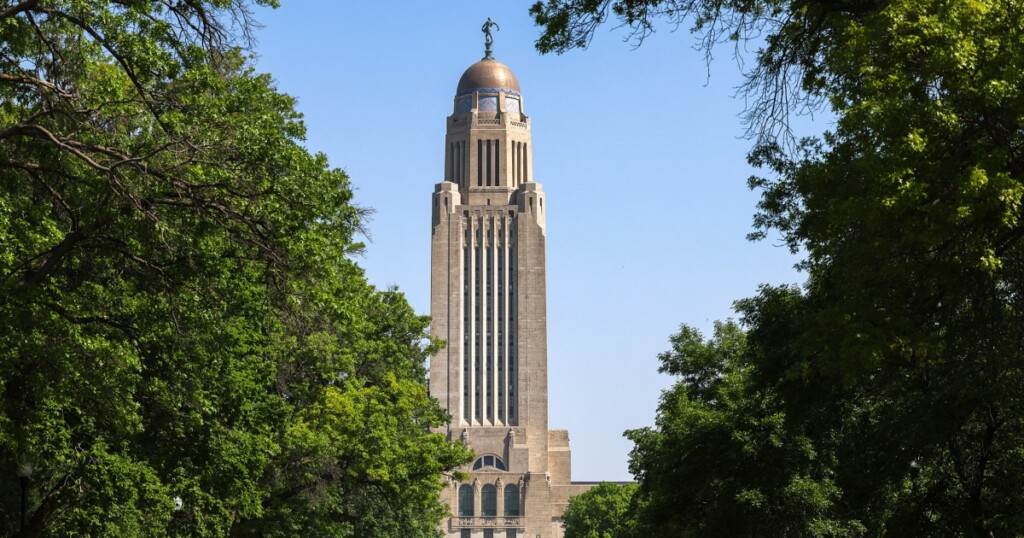
As the 2024 presidential election approaches, the mechanics of how electoral votes are allocated remain a critical and sometimes contentious issue. Nebraska, one of only two states that allocates its electoral votes by congressional district rather than winner-take-all, has become a focal point of this debate. A recent decision by a Nebraska Republican state senator has halted efforts to change this system, a move that could have influenced the electoral math in favor of former President Donald Trump. Meanwhile, national polling data reveals that the race remains competitive, echoing the tight contest seen in 2020. This article explores the implications of Nebraska’s electoral vote allocation debate and the broader electoral landscape as the nation heads toward November.
Nebraska stands apart from most states by awarding its electoral votes based on congressional districts rather than using a winner-take-all approach. This means that while the majority of the state's electoral votes typically go to the candidate who wins the statewide popular vote, one electoral vote is awarded to the winner of each congressional district.
This system has had a notable impact in recent elections. The swing district around Omaha has twice favored Democratic candidates, allowing Democrats to secure one electoral vote from an otherwise solidly Republican state. This allocation method introduces a degree of granularity and potential for split electoral outcomes that can influence the overall Electoral College tally.
In 2024, allies of former President Donald Trump sought to change Nebraska’s electoral vote system from its district-based allocation to a winner-take-all model. This change would likely grant Trump all of Nebraska’s electoral votes, strengthening his electoral position.
However, Nebraska State Senator Mike McDonnell, a Republican, publicly opposed this change. In a letter obtained by NBC News, McDonnell emphasized that with only 43 days remaining until Election Day, it was not the appropriate time to alter the state's electoral process. His stance effectively blocked the push for a special legislative session aimed at implementing this change.
This decision caps months of deliberation and highlights the complexities and political calculations involved in electoral vote allocation. It also underscores the importance of timing and consensus in making changes to election laws, especially so close to a national election.
The motivation behind the push for winner-take-all in Nebraska was clear: to secure an additional electoral vote for Trump in a state that has otherwise leaned Republican. Given the narrow margins in recent elections, even a single electoral vote can be pivotal.
Analysts have pointed to plausible scenarios where the distribution of electoral votes in states like Nebraska could determine the overall outcome. For example, if Vice President Kamala Harris were to win key swing states such as Michigan, Pennsylvania, and Wisconsin but lose others, the allocation of Nebraska's votes could create an electoral tie at 269 votes each between Harris and Trump under a winner-take-all system.
By maintaining the current district-based allocation, Nebraska preserves a system that allows for a more nuanced reflection of voter preferences within the state, potentially preventing an electoral tie or shift that could decisively benefit one candidate.
While the electoral vote allocation debate unfolds in Nebraska, national polling offers insight into the broader presidential race. The latest NBC News poll shows Vice President Kamala Harris leading Donald Trump by five points among registered voters, with her favorability ratings improving since July and a perception that she better represents change.
However, the overall metrics resemble those from late October 2020, a period marked by a highly competitive election. Both Harris and Trump have similar favorability margins compared to their 2020 counterparts, and public sentiment about the nation's direction remains predominantly negative.
Congressional preference also remains close, with Democrats holding a slight edge but Republicans narrowing the gap. These indicators suggest that despite some positive signals for Democrats, the 2024 election could be as closely contested as the previous cycle.
Additional battleground state polls from the New York Times/Siena in Arizona, Georgia, and North Carolina show Trump leading but within margins of error, reinforcing the uncertainty and competitiveness of the race.
The political landscape is further shaped by various developments beyond Nebraska and national polling. For instance, Senator JD Vance of Ohio is actively preparing for the upcoming vice presidential debate, highlighting the strategic importance of these events.
Meanwhile, Speaker Mike Johnson has taken steps to avoid a government shutdown by securing a funding deal, reflecting ongoing legislative negotiations that impact political stability.
Additionally, some Republicans have pushed back against rhetoric targeting immigrant communities, emphasizing their positive contributions, which illustrates the nuanced dynamics within the party and electorate.
Campaign strategies also include efforts by the Democratic National Committee to challenge Trump’s debate participation, using creative messaging to pressure the former president.
Housing affordability remains a pressing issue, with homebuilders citing multiple challenges that complicate efforts to address high costs, demonstrating the intersection of policy, economics, and voter concerns.
The debate over Nebraska’s electoral vote allocation underscores the intricate interplay between state-level decisions and the national presidential race. While the state’s Republican-controlled legislature considered a change that could have shifted electoral advantages, the decision to maintain the existing system preserves a more nuanced reflection of voter intent. Simultaneously, national polling data reveals a closely contested election reminiscent of 2020, suggesting that every electoral vote—and every state’s approach to awarding them—will be critical. As November approaches, voters and political observers alike should watch both the evolving electoral mechanics and the broader campaign dynamics that will determine the next president.
Originally reported by nbcnews.com. Adapted for our readers with AI assistance.
Keep reading
Politics
Yari says the APC will emphasise Tinubu’s achievements in 2027. This analysis explains how voters can examine outcomes, baselines and campaign evidence.
Lifestyle
Obi says his wife funds her own purchases. This analysis separates his explanation, unverified handbag prices and the evidence needed to assess public spending.
Politics
Politics tamfitronics Minnesota Gov. Tim Walz attends a rally in Asheville, North Carolina, on Sept. 17. Minnesota led the way on in...
TAMFIS NIG LTD
Electrical and instrumentation engineering, bid preparation and consulting, IT and software.