Parts of the UK Edge Closer to Drought Amid Prolonged Dry Weather
The United Kingdom is experiencing an increasingly severe dry spell, with multiple areas in southern, central, and eastern England now classified as being in prolonged dry weather—the stage immediately preceding drought. This development follows a summer marked by exceptional heat, minimal rainfall, and sustained dry conditions, reminiscent of last year’s drought but evolving more gradually due to wetter preceding seasons. The National Drought Group, which includes the Met Office, National Farmers’ Union, and water companies, has highlighted the growing challenges posed by these conditions to water availability, agriculture, and wildlife. This article examines the current state of dryness across the UK, its impacts, the outlook for rainfall, and the broader implications for climate adaptation.
Parts of the UK Edge Closer to Drought Amid Prolonged Dry Weather
Current Drought Status Across the UK
As of late July 2026, parts of southern, central, and eastern England are officially nearing drought conditions. The National Drought Group has designated regions including East Anglia, the West Midlands, Devon, Cornwall, the Isles of Scilly, Lincolnshire, Northamptonshire, Hertfordshire, London, Wessex, Thames, Solent, and the South Downs as experiencing 'prolonged dry weather.' This classification signals a critical phase where water resources are under significant stress but full drought has not yet been declared.
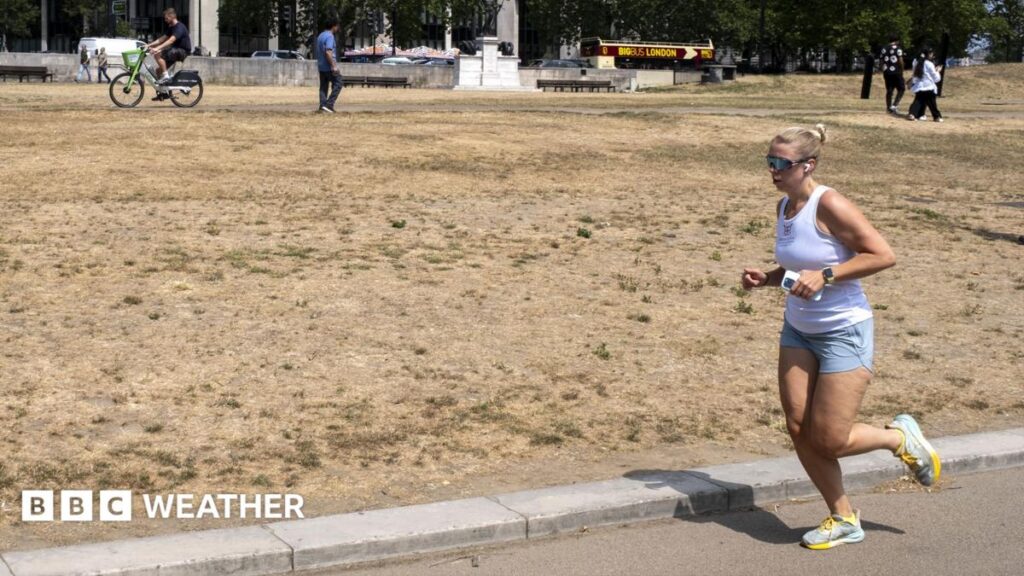
The dry conditions have manifested visibly, with images of cracked earth and parched grass reported from areas such as Cambridgeshire. These signs indicate the severity of moisture deficits in soils and surface water bodies, which are crucial for sustaining agriculture and ecosystems.
How Dry Has the Summer Been?
The summer of 2026 has been characterized by exceptional heat and dryness. The UK has endured three widespread heatwaves and the longest sequence of dry days recorded in central England since 1995. Rainfall has been drastically below average, with England receiving only about 3% of its typical July rainfall. Some areas in the south and east have experienced no measurable rain for over a month, with Wisley in Surrey reporting 33 consecutive dry days.
Regional disparities exist, however. While eastern and north-eastern England have seen just 26% of their expected summer rainfall by mid-July, parts of northern and western Scotland have experienced above-average precipitation. This uneven distribution highlights the complex nature of the UK’s weather patterns.
Comparisons with the previous year’s drought reveal differences in progression. The 2025 drought developed rapidly, whereas this year’s drought conditions have emerged more slowly due to heavy rainfall in the preceding autumn and winter that replenished groundwater and reservoirs. Nonetheless, experts warn that 'flash droughts'—rapid transitions from wet to dry conditions—are becoming more frequent and intense, posing new challenges for water management.
Rainfall Outlook: When and Where Will Relief Arrive?
The immediate forecast offers little reprieve for drought-stricken areas. High-pressure systems are expected to dominate the weather for at least the next five days, limiting significant rainfall. Some light showers may occur near coastal parts of south-east England, East Anglia, and northern Scotland midweek, but these are unlikely to substantially alleviate dryness.
Towards the weekend, rain-bearing fronts are predicted to move in from the northwest, primarily affecting Northern Ireland and Scotland. However, these fronts may weaken before reaching southern and eastern England, where rainfall is most needed. Longer-term predictions remain uncertain, but indications suggest the south may continue to experience warm and dry conditions, with occasional summer thunderstorms possible.
Residents and stakeholders are encouraged to monitor updates from reliable sources such as the BBC Weather website and app to stay informed about evolving conditions.
Impacts on Water Supply, Agriculture, and Wildlife
The prolonged dry spell combined with increased water demand has led to widespread restrictions on water use. Hosepipe bans are currently in effect for millions of customers across England to conserve dwindling supplies. River flows have declined significantly, with 87% of catchment areas in England reporting below-normal to exceptionally low water levels, according to the Environment Agency.
Wales is also experiencing dryness, with only 5% of expected July rainfall recorded. Natural Resources Wales has designated some northern and south-eastern regions as being in prolonged dry weather status, initiating drought response measures.
Agriculture is under considerable strain. Farmers face the dual challenge of harvesting early-ripening crops while ensuring adequate irrigation for fruits, vegetables, and livestock. Paul Tompkins, deputy president of the National Farmers’ Union, notes that the low rainfall this spring and summer could lead to a difficult and costly harvest, compounding the impacts of extreme weather events experienced in recent years.
Wildlife is similarly affected, as reduced water availability threatens habitats and food sources. The cumulative stress on ecosystems underscores the broader environmental consequences of sustained dry periods.
Climate Change and Future Drought Risks
The current drought situation is part of a broader pattern linked to human-induced climate change. The Met Office projects that UK summers will become hotter and drier over time, with potential reductions in summer rainfall of up to 60% and temperature increases of 1 to 6 degrees Celsius by 2070 compared to 1990 levels.
This trend poses significant challenges for water management, agriculture, public health, and biodiversity. The increasing frequency and intensity of droughts and heatwaves demand enhanced resilience and adaptive strategies across sectors.
Government agencies, farmers, health services, and communities must collaborate to develop sustainable water use practices, improve drought preparedness, and mitigate the impacts of climate volatility. Investing in infrastructure, monitoring, and education will be crucial to navigating the uncertainties ahead.
What this means
The UK’s approach to managing drought and water scarcity is entering a critical phase as multiple regions face prolonged dry weather and the threat of drought. While recent wetter seasons have delayed the onset compared to last year, the persistent lack of rainfall and rising temperatures underscore the growing vulnerability of water supplies, agriculture, and ecosystems. Immediate measures such as water use restrictions and agricultural adaptations are essential to mitigate current impacts. However, the long-term outlook demands strategic planning and investment to build resilience against increasingly volatile climate conditions. Staying informed through reliable forecasts and supporting sustainable water management practices will be vital for communities and policymakers alike as the UK navigates these challenges.
Originally reported by bbc.co.uk. Adapted for our readers with AI assistance.
Thousands of young protesters in Delhi continue to demand education reforms and the resignation of Education Minister Dharmendra Pradhan after a police crackdown. The…
Facing a looming financial collapse, Thames Water’s main lenders have offered the UK government a ‘golden share’ and increased local authority involvement to avoid…
Facing record-breaking temperatures and severe drought, Thames Water has introduced a hosepipe ban impacting over 10 million customers across parts of southern England to…