Over 800 Canadian Wildfires Ignite Cross-Border Air Quality Crisis in the US
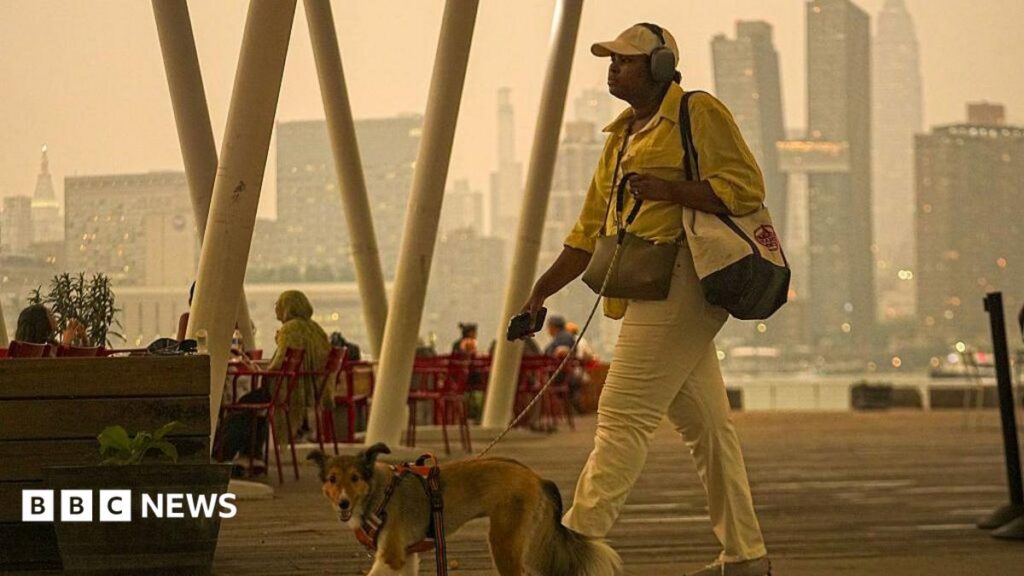
Canada is grappling with an intense wildfire season, with over 800 active fires spreading across vast swaths of the country. The resulting smoke has crossed international borders, severely affecting air quality in multiple US states, including Michigan, Minnesota, and New York. This situation underscores the increasing challenges posed by climate change, the natural cycle of boreal forests, and the complexities of wildfire management. This article explores the current wildfire conditions, their impact on air quality in Canada and the US, responses from authorities, and the broader environmental context.
Over 800 Canadian Wildfires Ignite Cross-Border Air Quality Crisis in the US
Scale and Spread of Canadian Wildfires
As of mid-July 2026, Canada is battling 858 active wildfires, including 30 new fires reported in a single day. The majority of these fires are out of control, particularly in northwestern Ontario, where thick smoke plumes have severely degraded air quality in cities such as Thunder Bay and Toronto.
The fires have expanded beyond typical western Canadian hotspots, increasingly affecting eastern provinces like Ontario, Quebec, and the Atlantic region. This eastward shift has brought wildfire smoke into more densely populated urban centers, raising public health concerns and complicating firefighting efforts.
Cross-Border Air Quality Impacts
Smoke from Canadian wildfires has drifted southward, causing hazardous air quality conditions across several US states. The US Air Quality Index has classified air quality in parts of Michigan and Minnesota as 'hazardous,' with advisories urging residents to remain indoors.
In western New York State, air quality levels are deemed 'very unhealthy,' while the New York City metropolitan area faces 'unhealthy' conditions. This has prompted local authorities to extend heat emergency plans and activate air quality emergency protocols, including opening cooling centers and distributing KN95 masks to residents.
The smoke has also affected the Great Lakes region and northeastern US, with hazy skies and altered sunrise and sunset colors reported as far south as New York City. Meteorological forecasts indicate that northwesterly winds will continue to carry smoke into northern US states through the weekend, raising concerns about air quality during major events such as the upcoming World Cup final in New Jersey.
Health Risks and Public Safety Measures
The presence of wildfire smoke poses significant health risks, particularly to vulnerable populations such as children, the elderly, and individuals with respiratory conditions. Exposure to particulate matter from smoke can exacerbate asthma, bronchitis, and other lung diseases.
In response, US cities like New York have implemented emergency measures, including the establishment of hundreds of cooling centers and distribution of protective masks. Public health officials recommend minimizing outdoor activities, especially during peak smoke periods, and using air purifiers indoors where possible.
In Canada, despite widespread thunderstorms forecasted in Ontario, the rainfall is unlikely to substantially mitigate the fires due to their scale and intensity. Firefighting efforts remain focused on protecting communities and critical infrastructure rather than fully extinguishing the vast wildfires.
Political and Community Responses
The ongoing wildfire crisis has elicited varied political reactions. In Michigan, Republican lawmakers have expressed frustration with Canadian wildfire management, sending an open letter to Canadian Prime Minister Mark Carney demanding improved strategies. They cite repeated annual wildfire seasons with little change in outcomes.
Conversely, US Ambassador to Canada Pete Hoekstra has praised collaborative firefighting efforts between the two countries, emphasizing the shared responsibility in addressing the crisis.
Prime Minister Carney acknowledged the need for joint action against climate change and confirmed close communication between the federal government, provinces, and local communities. Ontario Premier Doug Ford defended his administration's response, highlighting the deployment of over 150 fire crews and committing to allocate necessary resources.
Meanwhile, Indigenous communities in northern Ontario have been severely affected, with hundreds evacuated due to the fires. Anishinabek Nation Grand Council Chief Linda Debassige reported extensive damage to homes and infrastructure, underscoring the human toll of the wildfires.
Environmental Context and Future Outlook
Wildfires are a natural part of the boreal forest ecosystem, contributing to forest regeneration and biodiversity. However, experts note a significant increase in wildfire frequency and severity since 2015, attributed largely to climate warming and atmospheric drying.
Professor Laura Chasmer of the University of Western Ontario explains that rising temperatures and drier conditions have extended fire seasons and increased the likelihood of large, intense fires. The eastward migration of fires into more populated areas presents new challenges for firefighting and public health.
The scale of these fires often exceeds the capacity to fully extinguish them, shifting priorities toward containment and protection of communities. Changes in wind patterns expected by early next week may redirect smoke across Quebec, potentially improving air quality in southern US states.
The ongoing situation highlights the urgent need for enhanced wildfire management strategies, cross-border cooperation, and climate change mitigation efforts to reduce future risks.
What this means
The current wildfire crisis in Canada and its transboundary effects on the United States represent a complex environmental and public health challenge intensified by climate change. While wildfires are a natural ecological process, their growing frequency, intensity, and geographic spread demand enhanced management strategies and international cooperation. Protecting vulnerable populations, mitigating health risks, and addressing the root causes of climate change are essential steps to reduce the impact of future wildfire seasons. As authorities continue to battle the flames and manage air quality emergencies, the situation serves as a stark reminder of the interconnectedness of environmental issues across borders.
Originally reported by bbc.co.uk. Adapted for our readers with AI assistance.
Thousands of young protesters in Delhi continue to demand education reforms and the resignation of Education Minister Dharmendra Pradhan after a police crackdown. The…
Facing a looming financial collapse, Thames Water’s main lenders have offered the UK government a ‘golden share’ and increased local authority involvement to avoid…
Facing record-breaking temperatures and severe drought, Thames Water has introduced a hosepipe ban impacting over 10 million customers across parts of southern England to…