
Business
Nigeria’s Economic Performance: Domestic Debt Rise and Agriculture Trade Shift in Q2 2026
Nigeria's economic landscape in the second quarter of 2026 presents a mixed picture of fiscal press...
TAMFIS NIG LTDRC 8067447CAC ACTIVEFinima, Bonny Island, Rivers State

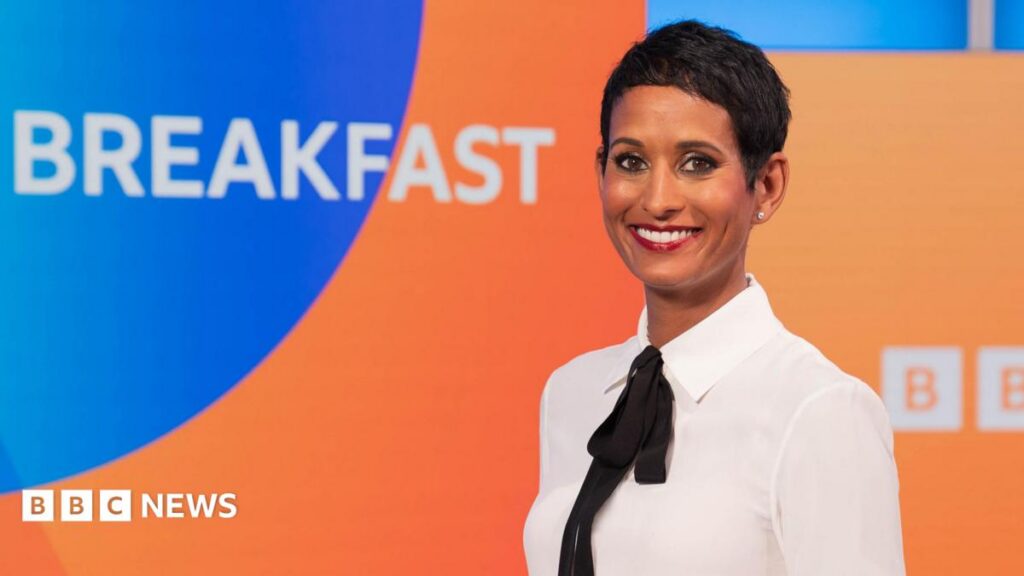
Naga Munchetty's announcement that she will leave BBC Breakfast after 17 years to become the presenter of Radio 5 Live's breakfast show marks a significant moment in British broadcasting. Having joined as a finance reporter and served as a main host for the past 12 years, her move from television to radio underscores the fluidity between media formats within the BBC and reflects broader trends in how audiences consume news and information. This transition is not merely a personal career shift but offers insights into the evolving demands on media professionals, the enduring relevance of radio in a digital age, and the strategic opportunities for broadcasters seeking to diversify their skills and reach. For shoppers, business consumers, and those interested in media industry dynamics, Munchetty's journey provides a useful lens through which to examine career longevity, platform adaptation, and the changing landscape of morning news consumption.
Naga Munchetty's tenure on BBC Breakfast began with a specialised role as a finance reporter, where she developed a reputation for translating complex economic and business matters into accessible content for a wide morning audience. Over nearly two decades, her responsibilities expanded significantly, culminating in her position as one of the programme's main presenters for the last 12 years. This progression illustrates a common trajectory in broadcasting where journalists build expertise in a niche before transitioning to broader editorial roles. Her ability to engage viewers on topics ranging from market movements to human interest stories contributed to the show's status as a staple of British morning television, trusted by viewers seeking both news and a familiar start to their day.
The longevity of her role also speaks to the stability and trust inherent in long-form television presenting roles, particularly in flagship breakfast programmes. For businesses and advertisers, such consistency offers a reliable platform to reach engaged audiences during peak morning hours. Munchetty's departure therefore represents not only a personal milestone but also a shift in the presenting dynamic of a show that has played a significant role in shaping morning routines and news consumption habits across the UK for many years.
Munchetty's move to Radio 5 Live's breakfast show presents a distinct set of challenges and opportunities compared to her television role. Radio broadcasting demands a different skill set, placing greater emphasis on vocal tone, pacing, and the ability to create vivid imagery through sound alone, without the support of visual cues or graphics. Presenters must compensate for the absence of visuals by using language more descriptively and maintaining a strong auditory connection with listeners who may be multitasking — commuting, working, or managing household tasks.
Currently, Munchetty already presents a mid-morning show on Radio 5 Live on select weekdays, giving her some familiarity with the station's audience and format. However, taking on the breakfast slot five days a week requires a significant increase in commitment, as the breakfast show typically sets the news agenda for the day and attracts a large, diverse audience tuning in for updates, traffic reports, and analysis. Her description of the role as 'simply too good to pass up' reflects both the prestige of the position and her confidence in her ability to adapt, while her acknowledgement of the energy and focus required indicates a realistic understanding of the demands ahead.
This transition also highlights the complementary nature of television and radio within the BBC's broader strategy. Rather than seeing the platforms as competitors, the corporation often encourages presenters to work across both, recognising that each reaches audiences in different contexts and at different times of day. For media professionals, such mobility can enhance career resilience and open pathways for reinvention, particularly in an industry where technological change and shifting consumer habits require constant adaptation.
Munchetty's career move occurs against a backdrop of evolving media consumption habits, where audio content — including radio, podcasts, and streaming services — continues to grow in popularity alongside traditional and digital television. Radio, in particular, retains a unique advantage in its ability to reach audiences during moments when visual media is impractical or unsafe, such as while driving or operating machinery. The enduring relevance of breakfast shows on national radio stations like 5 Live demonstrates that there remains a strong demand for curated, live audio news and information, especially during morning commutes.
From a business and consumer perspective, this trend has implications for advertising strategies, content investment, and platform diversification. Brands seeking to engage audiences during morning hours may find value in radio's captive and attentive listenership, particularly as listeners often develop strong habits and loyalty to specific presenters and programmes. For media organisations, investing in versatile talent capable of working across multiple formats can be a strategic advantage, allowing for greater flexibility in scheduling, coverage, and audience targeting.
Munchetty's reflections on her time at BBC Breakfast — particularly her gratitude for the collaborative team environment — also underscore the importance of workplace culture in sustaining long-term careers. Her move may inspire other broadcasters to consider horizontal moves within the industry, not as a step down or sideways shift, but as an opportunity to apply existing skills in new contexts and reach different audience segments. In this way, her career trajectory serves as a useful example of how professionals can navigate change while maintaining core journalistic values such as integrity, clarity, and engagement.
Naga Munchetty's departure from BBC Breakfast after nearly two decades on the sofa marks more than a simple change of role; it represents a thoughtful evolution in a media career that has spanned specialised reporting, national television presenting, and now, a move to the dynamic world of live radio. Her journey illustrates how broadcasters can successfully navigate transitions between formats, leveraging existing strengths while developing new competencies to meet the demands of different platforms. For audiences, the change brings both a sense of loss for a familiar television presence and anticipation for her voice to shape the morning radio landscape in a new way. Ultimately, Munchetty's story reinforces the idea that media careers, like the industries they serve, are not static paths but opportunities for continual growth, reinvention, and meaningful engagement with audiences across evolving channels of communication.
Originally reported by bbc.co.uk. Adapted for our readers with AI assistance.
Keep reading
Business
Nigeria's economic landscape in the second quarter of 2026 presents a mixed picture of fiscal press...
Business
Liverpool manager Andoni Iraola is confronting a significant selection headache as two key forwards, Cod...
News
Health News tamfitronics [Editor’snote:[Editor’snote: This transcript was generated using both transcription ...
TAMFIS NIG LTD
Electrical and instrumentation engineering, bid preparation and consulting, IT and software.