
News
RUSSIA versus NATO and BRICS vs. NATO Military SWOT
Recall that Poland’s Minister Sikorski’s core claim is partially supported by the numbers, but the framing “quite quickly” and “without the U.S.” does not…
TAMFIS NIG LTDRC 8067447CAC ACTIVEFinima, Bonny Island, Rivers State

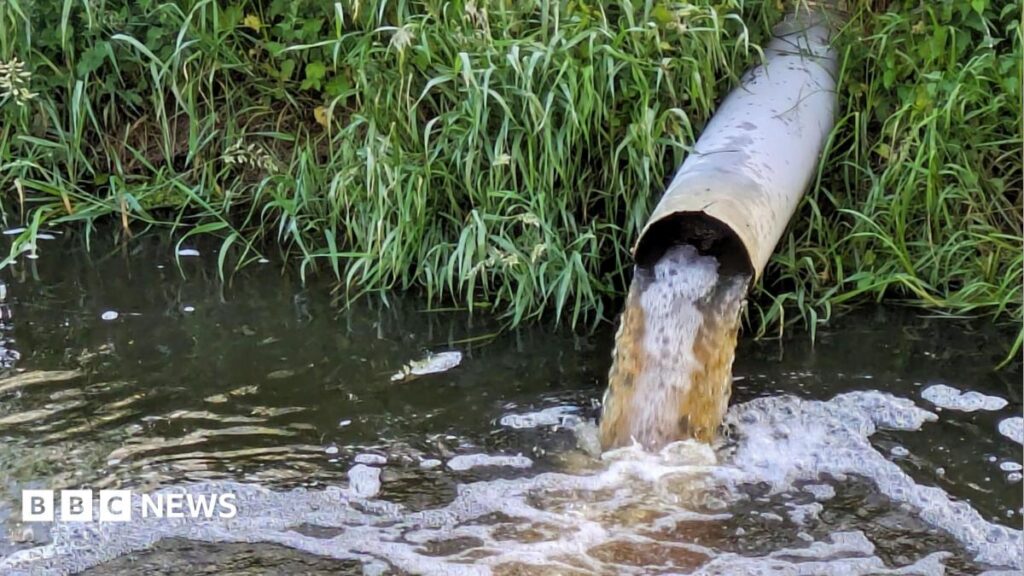
Recent research has cast a spotlight on the legality of sewage spills into England’s rivers, lakes, and seas. While UK law restricts the release of untreated sewage to exceptional weather events, new analysis suggests that the majority of spills in the past two years happened during normal weather conditions. This finding challenges the current regulatory framework and enforcement by the Environment Agency (EA), raising important questions about water management, environmental protection, and public health.
England’s sewage infrastructure combines rainwater drainage and wastewater removal in a single pipe system. During rainfall, this combined system can become overwhelmed, leading to the discharge of raw sewage into natural waterways to prevent backflow and flooding. Legally, such discharges are only permitted under specific conditions, typically described as "exceptional" or "heavy" rainfall events.
However, until recently, the exact threshold defining "normal" versus "heavy" rain was unclear. This ambiguity has allowed water companies to justify frequent sewage spills without clear accountability. The lack of a precise legal definition has been a significant barrier to enforcing regulations and protecting water quality.
Professor Peter Hammond, a campaigner and retired academic, obtained confidential court documents from a case against Southern Water. These documents contained a previously undisclosed definition of "heavy rain" used by the Environment Agency to determine when sewage spills are lawful.
Using this definition, Hammond analyzed data from over 350 storm overflow outlets across England, covering all nine water companies serving more than 30 million people. His findings were striking: approximately 86% of sewage discharge hours occurred without the presence of heavy rain, indicating that these spills may have been illegal under the law.
No water company performed well in this analysis, with even the best having over 70% of their spills potentially occurring during normal weather conditions. Hammond described the situation as "totally outrageous," criticizing both the water companies for exploiting regulatory weaknesses and the Environment Agency for inadequate enforcement.
The Environment Agency has disputed Hammond’s conclusions, arguing that the "heavy rain" definition he used applies only to Southern Water sites and that rainfall thresholds vary regionally across England. However, Hammond countered that even when accounting for regional rainfall variations, the proportion of potentially illegal spills remained high.
This is not the first time the EA’s enforcement approach has been questioned. In 2024, the Office for Environmental Protection (OEP) ruled that the EA was not properly applying legislation, allowing spills during what should be considered "normal" weather rather than restricting them to "exceptional circumstances."
Following the OEP ruling, the EA issued new guidance emphasizing that spills should not occur during normal weather. Despite this, the EA has been reluctant to confirm that spills are only lawful in exceptional conditions and has cited ongoing legal proceedings when asked about enforcement actions related to spills in normal weather.
Water UK, representing the water companies, stated that discharges should only happen in "exceptional circumstances" or when preventing them would involve excessive costs. They highlighted ongoing efforts to reduce and eventually end sewage spills, emphasizing the physical and financial challenges involved in upgrading aging infrastructure.
Nonetheless, the analysis by Hammond and others indicates that current measures may be insufficient. The persistence of frequent spills during normal weather conditions suggests systemic issues in infrastructure capacity and regulatory oversight.
Public frustration has grown alongside increased awareness of sewage pollution’s environmental and health impacts. Recent high-profile incidents and legal actions, including charges against former water company executives, have intensified calls for stronger regulation and transparency.
Raw sewage contains harmful pathogens, chemicals, and nutrients that can degrade water quality, harm aquatic ecosystems, and pose risks to human health. Frequent illegal spills exacerbate these risks, affecting recreational waters, drinking water sources, and biodiversity.
The findings of widespread potential illegality highlight the urgent need for clearer regulatory standards, improved monitoring, and robust enforcement mechanisms. Without these, water bodies across England may continue to suffer from pollution that contravenes environmental laws and public expectations.
Furthermore, the situation underscores the importance of investing in infrastructure modernization to separate rainwater from sewage systems or increase capacity to handle storm events without resorting to spills.
The recent research revealing that most sewage spills in England may have been illegal challenges the effectiveness of current regulatory frameworks and enforcement practices. While water companies face genuine infrastructural challenges, the lack of clear definitions and robust oversight has allowed widespread pollution during conditions that should prohibit discharges. Addressing this issue requires coordinated action: regulators must clarify and enforce legal standards consistently, water companies need to accelerate infrastructure improvements, and policymakers should support investments that protect water quality. Only through such comprehensive efforts can England’s waterways be safeguarded for future generations.
Editor’s note: The following is AI-generated commentary and context on this topic, not original reporting.
Sewage discharges into rivers and coastal waters have become one of the most politically charged environmental issues in England in recent years, with privatised water companies facing sustained criticism over ageing infrastructure, underinvestment, and a regulatory framework that critics argue has been too permissive. Combined sewer systems, which channel both rainwater and wastewater through the same pipes, are permitted to discharge during exceptional storm events to prevent sewage backing up into homes, but campaigners and now researchers have long suspected that overflows are occurring far more frequently than the rules allow.
Findings that suggest routine rather than exceptional discharges raises the prospect of regulatory enforcement action, and potentially significant fines, against the water companies involved. It also feeds into a wider public debate about the ownership structure of England’s water utilities, with growing calls from campaign groups and some politicians for greater public oversight or a fundamental overhaul of how compliance is monitored and enforced.
Originally reported by bbc.co.uk. Adapted for our readers with AI assistance.
Keep reading
News
Recall that Poland’s Minister Sikorski’s core claim is partially supported by the numbers, but the framing “quite quickly” and “without the U.S.” does not…
News
Thousands of young protesters in Delhi continue to demand education reforms and the resignation of Education Minister Dharmendra Pradhan after a police crackdown. The…
News
Facing a looming financial collapse, Thames Water’s main lenders have offered the UK government a ‘golden share’ and increased local authority involvement to avoid…
TAMFIS NIG LTD
Electrical and instrumentation engineering, bid preparation and consulting, IT and software.