
Business
Nigeria’s Economic Performance: Domestic Debt Rise and Agriculture Trade Shift in Q2 2026
Nigeria's economic landscape in the second quarter of 2026 presents a mixed picture of fiscal press...
TAMFIS NIG LTDRC 8067447CAC ACTIVEFinima, Bonny Island, Rivers State

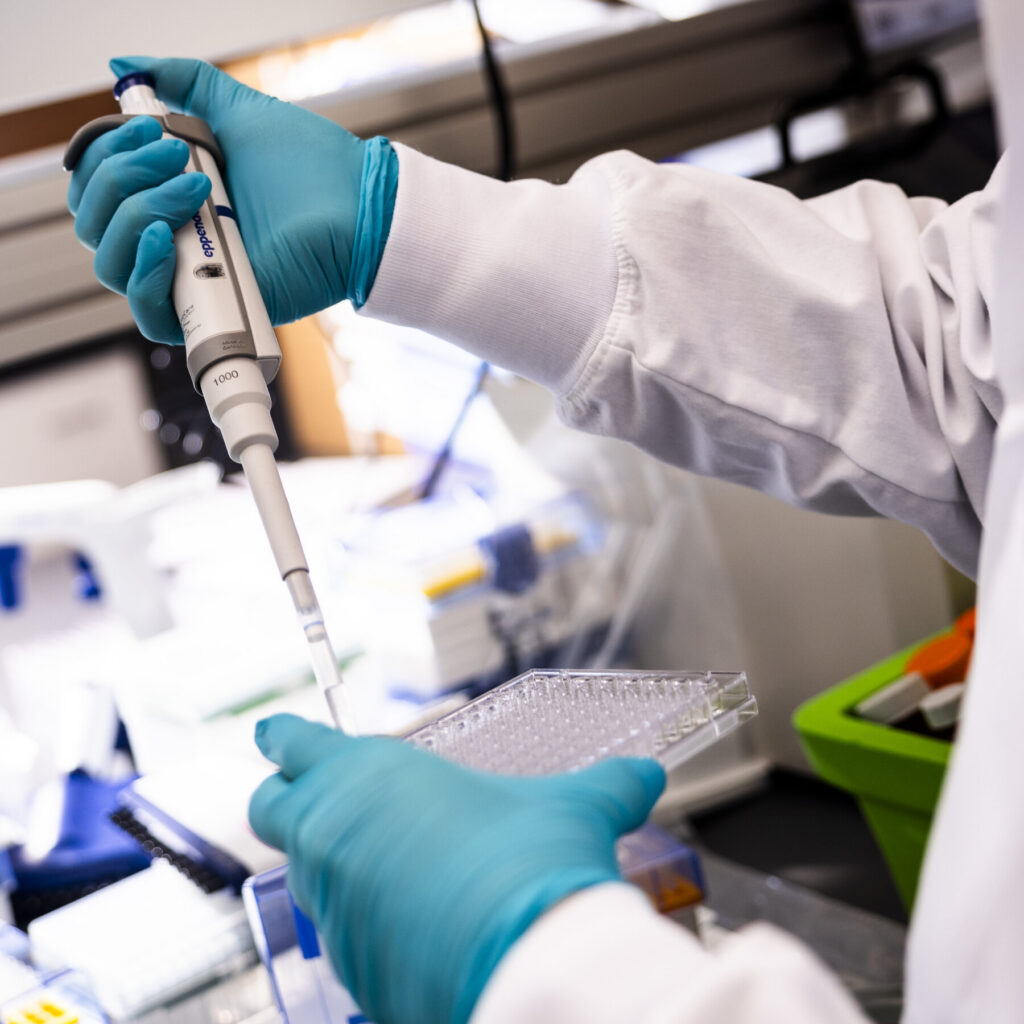
Moderna and Merck say the experimental vaccine prevented the return and spread of the cancer in high-risk melanoma patients. The announcement focuses on high-risk melanoma patients, a group that faces significant uncertainty after initial treatment because the disease can come back and travel to other parts of the body. If confirmed through further study and regulatory review, the result could represent an important advance in the way doctors prevent recurrence of one of the most serious forms of skin cancer. The two companies said the experimental mRNA-based vaccine, when used alongside appropriate therapy, helped keep the cancer from returning and from spreading in the studied patient population.
Moderna and Merck say the experimental vaccine prevented the return and spread of the cancer in high-risk melanoma patients. The two pharmaceutical companies reported that their jointly developed mRNA vaccine candidate showed a beneficial effect against melanoma recurrence in a patient group considered to be at elevated risk of the disease coming back. According to the companies, the vaccine candidate helped stop the cancer from returning and from metastasizing to other organs or tissues. The finding comes from clinical work evaluating a personalized cancer vaccine approach, with Moderna contributing its messenger RNA platform and Merck contributing its experience in oncology development and commercialization. The companies described the outcome as a meaningful step in the effort to turn mRNA technology, which became widely known during the COVID-19 pandemic, toward the treatment and prevention of cancer. Because the vaccine remains experimental, the result still needs to be confirmed in additional follow-up and reviewed by regulators before it could become an available therapy.
Messenger RNA, or mRNA, vaccines work by instructing cells in the body to produce specific proteins that can train the immune system to recognize a threat. In infectious disease vaccines, the proteins resemble parts of a virus, allowing the immune system to build a defense before the real pathogen arrives. In cancer, the same idea can be applied differently. A personalized mRNA cancer vaccine can be designed to teach the immune system to recognize proteins, called neoantigens, that appear on the surface of a patient’s own tumor cells. Because these neoantigens are created by mutations in the tumor DNA, they often look different from proteins found on healthy cells. That difference gives the immune system a target it can learn to attack, ideally directing T cells and other defenses against remaining cancer cells while leaving normal tissue alone. For melanoma, which is known to have a relatively high number of mutations compared with many other cancers, this approach may be especially well suited.
Melanoma is a form of skin cancer that begins in the pigment-producing cells called melanocytes. It is less common than some other skin cancers but is more likely to spread to lymph nodes and distant organs if it is not caught and treated early. Once melanoma has reached a later stage or has certain features that suggest it is more aggressive, the risk that it will come back after surgery or other initial treatment can be substantial. High-risk melanoma patients are those whose disease characteristics point to a greater chance of recurrence or metastasis. These patients may have had thicker primary tumors, ulceration of the tumor, involvement of nearby lymph nodes, or other clinical factors that place them in a higher-risk category. When the cancer returns, it can appear in the skin near the original site, in the lymph nodes, or in distant organs such as the lungs, liver, brain, or bones. Preventing that return is therefore one of the most important goals of care after the initial tumor is removed.
In oncology, the return of a cancer after treatment is called recurrence, and the movement of cancer cells to parts of the body beyond the original location is called metastasis. Recurrence can happen when tiny numbers of cancer cells survive the initial therapy and begin to grow again weeks, months, or even years later. Metastasis occurs when those cells travel through the bloodstream or lymphatic system and establish new tumors elsewhere. Both events are major concerns in melanoma because they sharply change the outlook and the treatment plan. A therapy that reduces recurrence and metastasis does not merely delay symptoms; it can extend survival and reduce the need for more intensive later treatments. For patients and clinicians, the possibility that an experimental vaccine could lower the chances of both recurrence and spread is therefore significant, even though more data will be needed to define how large and how durable that benefit may be.
Moderna is best known for its work on mRNA vaccines, while Merck, known as MSD outside the United States and Canada, has a long history in oncology including the development of immune checkpoint inhibitors. Their collaboration on a melanoma vaccine combines Moderna’s mRNA manufacturing and design capabilities with Merck’s clinical and commercial expertise in cancer. The vaccine candidate is intended to be personalized, meaning it is produced based on the genetic profile of an individual patient’s tumor. After a tumor sample is analyzed, the selected neoantigens are encoded into mRNA, which is then formulated into a vaccine dose. The vaccine is given in combination with an immune-activating cancer therapy, with the goal of producing a stronger and more precise anti-tumor immune response than either approach might achieve on its own. This kind of partnership reflects a broader trend in biotechnology, where companies combine platform technologies with established oncology drugs in the hope of improving outcomes for difficult-to-treat cancers.
Moderna and Merck say the experimental vaccine prevented the return and spread of the cancer in high-risk melanoma patients, offering an early sign that mRNA technology may extend beyond infectious diseases into cancer care. The announcement points to a potential new way to reduce the risk that melanoma will come back after initial treatment, a problem that has long affected patients with more aggressive forms of the disease. If the findings hold up in additional research and pass regulatory scrutiny, they could eventually lead to a personalized vaccine option for some melanoma patients. For now, the result remains preliminary, and the vaccine is still considered experimental. Patients and clinicians will need to wait for more complete data and any future approvals before this approach can be used outside clinical studies. The development nonetheless highlights growing interest in using the immune system and mRNA platforms to attack cancer in a more targeted way.
Originally reported by nytimes.com. Adapted for our readers with AI assistance.
Keep reading
Business
Nigeria's economic landscape in the second quarter of 2026 presents a mixed picture of fiscal press...
Business
Liverpool manager Andoni Iraola is confronting a significant selection headache as two key forwards, Cod...
News
Health News tamfitronics [Editor’snote:[Editor’snote: This transcript was generated using both transcription ...
TAMFIS NIG LTD
Electrical and instrumentation engineering, bid preparation and consulting, IT and software.