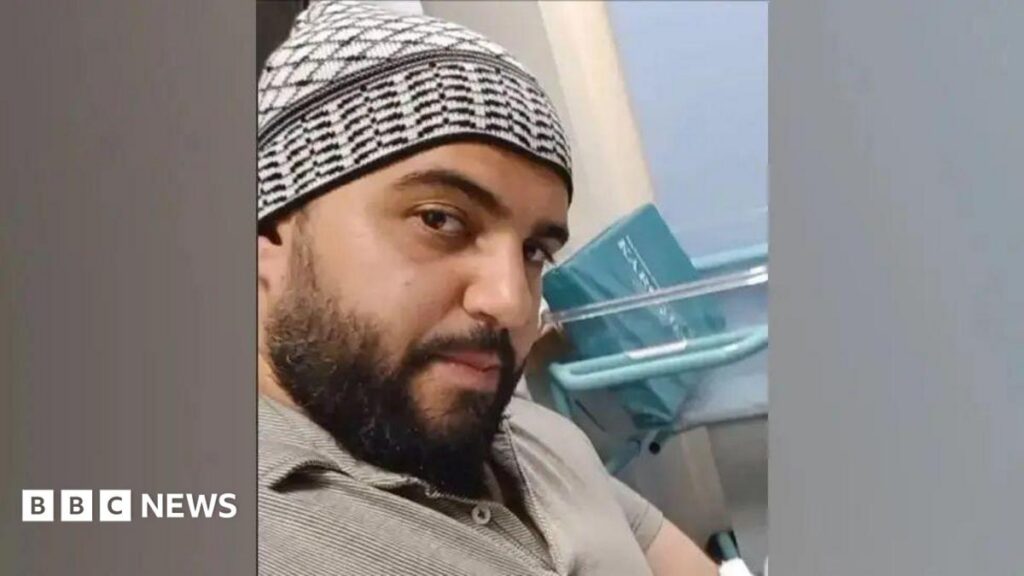
Missed Opportunities: How Unexamined Phones Could Have Prevented the Manchester Synagogue Attack
In October 2025, a devastating attack at the Heaton Park Synagogue in Manchester resulted in the deaths of two worshippers during Yom Kippur, the holiest day in the Jewish calendar. The assailant, Jihad Al-Shamie, was already under police scrutiny, having been arrested twice earlier that year. However, recent revelations show that mobile devices seized from him, which contained evidence of extremist views, were never examined prior to the attack. This article examines the circumstances surrounding this failure, its implications, and ongoing investigations.
Missed Opportunities: How Unexamined Phones Could Have Prevented the Manchester Synagogue Attack
Background of the Attack and Perpetrator
On 2 October 2025, Jihad Al-Shamie, aged 35, launched a violent assault on the Heaton Park Synagogue in Crumpsall, Manchester. Driving a Kia Picanto into the synagogue gates, he proceeded to attack worshippers with a knife. Two men, Melvin Cravitz and Adrian Daulby, lost their lives in the assault. Al-Shamie was ultimately killed by police gunfire at the scene. Notably, he was wearing a fake suicide belt during the attack.
Prior to this, Al-Shamie had been arrested twice in 2025: once in February on suspicion of breaching a non-molestation order and again in September on suspicion of rape. At the time of the synagogue attack, he was out on bail for the alleged rape charge.
Unexamined Mobile Devices: A Critical Oversight
Greater Manchester Police (GMP) had seized Al-Shamie’s mobile phones during his arrests in February and September 2025. These devices reportedly contained substantial evidence of his extremist mindset, including WhatsApp chats discussing preparations for violent acts and a so-called 'war'. However, these devices were not analyzed before the synagogue attack occurred.
Sir Stephen Watson, Chief Constable of GMP, publicly apologized for this failure, acknowledging that the information on the phones would have prompted further investigative action. He expressed deep regret for adding to the distress of victims and the community affected by the attack.
The delay in examining these devices meant that critical intelligence was missed at a time when intervention could have been possible.
Connections to Other Extremist Plots
During the sentencing of Mohammad Bashir, who was convicted of plotting an attack on the UK’s Defence Academy in Shrivenham, details emerged linking him and Al-Shamie. The pair had exchanged extremist views and discussed preparations for violent conflict via WhatsApp prior to their respective attacks.
This connection underscores the broader network of extremist activity and highlights the importance of timely intelligence gathering and information sharing among law enforcement agencies.
Ongoing Investigations and Accountability
The Independent Office for Police Conduct (IOPC) is actively investigating all prior contact between GMP and Al-Shamie, including the police response to reports of crimes he was suspected of committing. This includes scrutiny of the handling of allegations against him, such as rape and other sexual offences.
One officer is currently under investigation for potential misconduct related to these allegations, though the IOPC has clarified that this does not necessarily mean disciplinary action will follow.
The watchdog is also reviewing whether GMP missed opportunities to prevent the synagogue attack, especially in light of the unexamined mobile devices.
Sir Stephen Watson noted that legal restrictions around sharing information about live criminal cases were lifted following Bashir’s sentencing, allowing for greater transparency about the intelligence failures.
Implications for Policing and Counterterrorism
The failure to analyze Al-Shamie’s phones raises critical questions about police procedures and resource allocation in counterterrorism efforts. Mobile devices often contain vital evidence that can reveal extremist intentions and networks, making timely examination essential.
This case highlights the challenges police face in managing multiple investigations simultaneously, especially when suspects are involved in serious crimes unrelated to terrorism but may also pose a security threat.
Improved protocols for prioritizing digital evidence analysis and inter-agency communication could help prevent similar oversights in the future.
Community Impact and Response
The attack deeply affected the Manchester Jewish community, particularly as it occurred on Yom Kippur, a day of solemn reflection and prayer. The deaths of Melvin Cravitz and Adrian Daulby were mourned widely, and the community has called for greater protection and vigilance against hate crimes and extremist violence.
The police apology, while necessary, has also prompted calls for accountability and assurances that lessons will be learned to prevent recurrence.
Community leaders emphasize the importance of trust between law enforcement and minority groups, advocating for transparent investigations and proactive measures.
What this means
The tragic Manchester synagogue attack exposed significant gaps in police procedures, particularly regarding the handling of digital evidence from suspects with extremist tendencies. While Greater Manchester Police has acknowledged and apologized for the failure to examine Jihad Al-Shamie’s mobile devices, ongoing investigations will determine the full extent of missed opportunities and accountability. Moving forward, law enforcement agencies must prioritize timely analysis of seized digital data and strengthen collaboration to detect and disrupt extremist threats. Equally important is rebuilding trust with affected communities to ensure collective resilience against hate-fueled violence.
Editor’s note: The following is AI-generated commentary and context on this topic, not original reporting.
Intelligence Gaps and Preventable Tragedies
Post-incident reviews following acts of terrorism frequently identify missed opportunities where additional scrutiny, had it occurred sooner, might have altered the outcome. Devices such as mobile phones can contain a wealth of information relevant to assessing risk, including communications, browsing history, and contacts, but examining them requires investigative resources, legal authority, and prioritisation decisions that are made amid competing demands on police time.
When reviews conclude that an opportunity was missed, the findings typically feed into recommendations for how police and security services allocate resources when assessing individuals who have already come to their attention. Affected communities often look to these reviews not only for accountability but for concrete assurance that lessons will translate into changed practice, particularly around how quickly digital evidence is examined once someone is flagged as a potential risk.
Originally reported by bbc.co.uk. Adapted for our readers with AI assistance.
Thousands of young protesters in Delhi continue to demand education reforms and the resignation of Education Minister Dharmendra Pradhan after a police crackdown. The…
Facing a looming financial collapse, Thames Water’s main lenders have offered the UK government a ‘golden share’ and increased local authority involvement to avoid…
Facing record-breaking temperatures and severe drought, Thames Water has introduced a hosepipe ban impacting over 10 million customers across parts of southern England to…