
Business
Nigeria’s Economic Performance: Domestic Debt Rise and Agriculture Trade Shift in Q2 2026
Nigeria's economic landscape in the second quarter of 2026 presents a mixed picture of fiscal press...
TAMFIS NIG LTDRC 8067447CAC ACTIVEFinima, Bonny Island, Rivers State

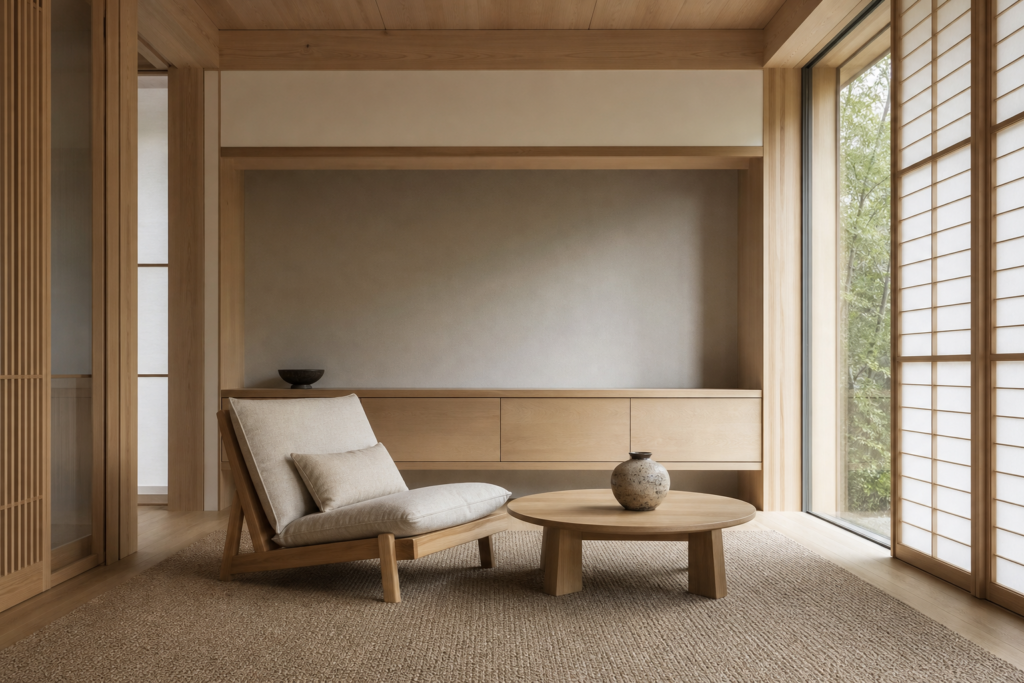
Minimalist Japanese-inspired furniture embodies a timeless design philosophy that values simplicity, functionality, and harmony with nature. Rooted in traditional Japanese aesthetics, this style emphasizes clean lines, natural materials, and uncluttered spaces, offering a tranquil environment conducive to relaxation and mindful living. In a world often overwhelmed by excess, incorporating minimalist Japanese furniture can transform your home into a peaceful sanctuary. This comprehensive guide explores the key elements, materials, and practical tips for integrating this elegant style into your living space.
Minimalist Japanese design is deeply influenced by Zen Buddhism, which promotes simplicity, balance, and mindfulness. This philosophy manifests in furniture that is understated yet purposeful, avoiding unnecessary ornamentation. The focus is on creating harmony between the object and its environment, fostering a sense of calm and clarity.
Key characteristics include clean, straight lines, low-profile furniture, and an emphasis on negative space. This approach not only enhances visual tranquility but also encourages practical living by prioritizing essential items over clutter. The design invites users to appreciate the beauty in simplicity and craftsmanship.
By understanding these core principles, homeowners and designers can better appreciate how minimalist Japanese furniture contributes to a peaceful ambiance. The design philosophy champions intentionality, where every piece serves a function while contributing aesthetically to the overall space.
Natural materials play a pivotal role in Japanese-inspired furniture, reflecting a deep respect for nature. Wood, especially light-colored varieties like hinoki cypress, bamboo, and paulownia, is commonly used due to its warmth, durability, and subtle grain patterns. These woods create a soothing visual texture and evoke a connection to the outdoors.
Paper and rice paper are traditional materials often incorporated in shoji screens, which are sometimes integrated into furniture pieces for light diffusion and privacy. These materials add softness and translucence, enhancing the minimalist aesthetic without overpowering the space.
Metal is used sparingly, typically in small accents or structural elements, to maintain simplicity without compromising strength. The restrained use of materials ensures that each component complements the others, resulting in cohesive furniture that feels both natural and refined.
Tatami mats are a foundational element in many Japanese interiors, providing a natural and comfortable flooring option that influences furniture choices. Low-profile seating such as zaisu chairs or floor cushions aligns with the tatami, encouraging a grounded and intimate living experience.
Low tables, like chabudai, serve multiple purposes including dining, work, and socializing. Their modest height and simple design promote a relaxed posture and facilitate easy movement within the space. These tables often feature clean wood finishes with minimal decorative details.
Storage solutions are designed to be discreet and integrated seamlessly into the room layout. Built-in cabinets or simple wooden chests with sliding doors prevent visual clutter, maintaining the minimalist ethos while providing practical organization.
Minimalist Japanese furniture typically adopts a neutral and natural color palette. Shades of beige, cream, soft browns, and muted grays dominate, reflecting the tones found in nature. This restrained color scheme enhances the sense of calm and allows the textures and forms of the furniture to stand out.
Matte finishes are preferred over glossy surfaces as they reduce glare and add to the understated elegance of the design. Natural wood finishes that highlight the grain without heavy staining or varnishing are common, emphasizing authenticity and craftsmanship.
Occasional use of black or dark accents can provide subtle contrast, often seen in metal fittings or lacquered elements. These touches add depth without disrupting the overall harmony of the space.
Minimalist Japanese furniture seamlessly balances form and function. Each piece is designed to serve a clear purpose while contributing to the visual harmony of the room. Multi-functional furniture, such as foldable tables or stackable seating, supports efficient use of space without sacrificing style.
Ergonomics are carefully considered, with furniture often positioned close to the floor to promote natural body alignment and relaxation. This approach fosters mindful living by encouraging slower, more deliberate movements and interactions within the home.
Storage is cleverly integrated to maintain the clean lines and open feel of the space. Sliding doors and hidden compartments prevent clutter, making it easier to maintain a tidy environment that supports mental clarity.
Start by decluttering your space and identifying key functional needs. Minimalist Japanese design thrives on intentionality, so only select furniture that aligns with your lifestyle and space requirements. Quality over quantity is paramount.
Arrange furniture to maximize openness and natural light. Low-profile pieces should be placed to create a fluid flow, avoiding obstruction of pathways or windows. This arrangement enhances the feeling of spaciousness and tranquility.
Incorporate natural elements such as plants or small bonsai trees to complement the furniture and add life to the room. These organic touches reinforce the connection to nature, a cornerstone of Japanese design philosophy.
Regular maintenance is essential to preserve the beauty and longevity of natural materials. Use soft, dry cloths for dusting and avoid harsh chemicals that can damage wood finishes. Gentle cleaning helps maintain the furniture’s natural texture and color.
Protect wooden surfaces from excessive moisture and direct sunlight, which can cause warping or fading. Use coasters and placemats to prevent stains and scratches, especially on dining or coffee tables.
Periodic inspection of joints and fittings ensures structural integrity. Tighten loose screws or replace worn parts promptly to maintain both safety and aesthetic appeal. Proper care prolongs the life of your furniture, preserving its minimalist charm.
Contemporary designers are blending traditional Japanese aesthetics with modern materials and technology. This fusion results in furniture that respects minimalist principles while incorporating innovations such as modular components and sustainable materials.
Eco-conscious consumers appreciate the use of reclaimed wood and non-toxic finishes, which align with the Japanese reverence for nature. These adaptations ensure that minimalist furniture remains relevant and responsible in today’s market.
Smart home integration is becoming more common, with minimalist designs accommodating hidden charging stations or adjustable lighting. These enhancements maintain the clean lines and simplicity while adding modern convenience.
Minimalist Japanese-inspired furniture offers more than just aesthetic appeal; it provides a practical framework for creating spaces that nurture mindfulness, simplicity, and connection to nature. By embracing natural materials, clean lines, and thoughtful functionality, you can transform your living environment into a serene retreat from the complexity of modern life. Whether you adopt traditional pieces or modern interpretations, the principles of Japanese minimalism encourage intentional living and lasting beauty. This practical design guide serves as a foundation to help you incorporate these timeless values into your home, promoting balance and tranquility every day.
Keep reading
Business
Nigeria's economic landscape in the second quarter of 2026 presents a mixed picture of fiscal press...
Business
Liverpool manager Andoni Iraola is confronting a significant selection headache as two key forwards, Cod...
News
Health News tamfitronics [Editor’snote:[Editor’snote: This transcript was generated using both transcription ...
TAMFIS NIG LTD
Electrical and instrumentation engineering, bid preparation and consulting, IT and software.