Managing Heatwave Anxiety: Understanding and Coping with Climate-Related Mental Distress
The recent record-breaking heatwave in England has brought more than just soaring temperatures—it has intensified a growing mental health concern known as climate anxiety. For many, especially young people and women, the relentless heat and the looming threat of climate change trigger feelings of helplessness and fear. This article examines the psychological impact of heatwaves, shares personal experiences, and offers expert advice on how to cope with climate-related anxiety.
Managing Heatwave Anxiety: Understanding and Coping with Climate-Related Mental Distress
The Emotional Toll of Heatwaves: Personal Stories
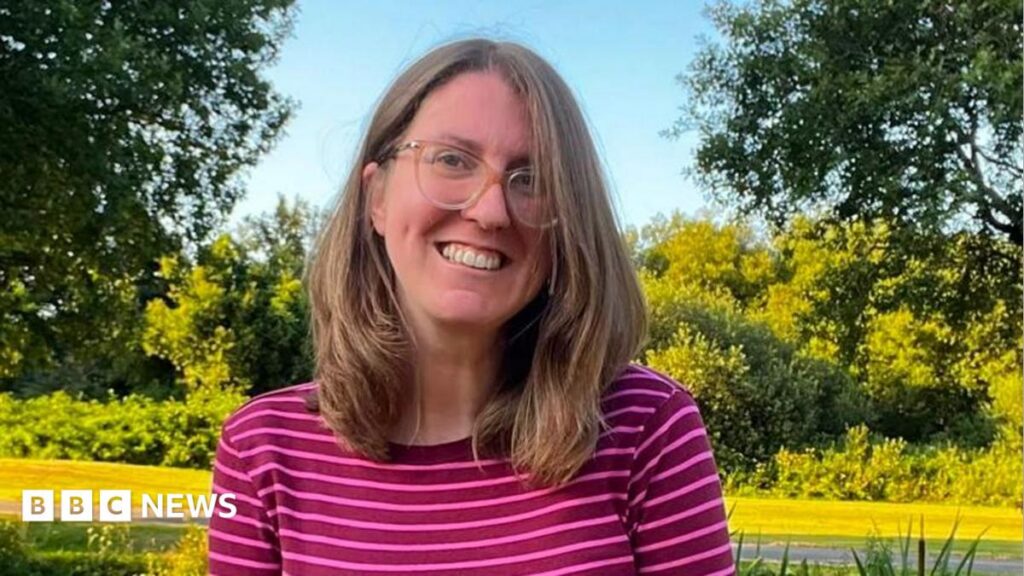
During the peak of June's heatwave, which marked the warmest June on record in England, many individuals found themselves overwhelmed by anxiety. Tavia Watts, a 36-year-old stay-at-home mother from Cheltenham, described the experience as feeling "like the world is literally ending." Concerned for the wellbeing of her young children, she found the heat unbearable, with their bedroom temperatures soaring above 30°C. This led to moments of intense emotional distress, including crying during her children's bedtime routine.
Tavia's candid expression of her fears resonated widely when she shared a video on Instagram, garnering thousands of likes and reposts. Her openness highlighted a shared sense of vulnerability among many facing similar anxieties during extreme weather events.
Similarly, Lizzie Ellen, a 38-year-old new mother from west London, spoke about her obsessive monitoring of the heatwave and the isolation she felt while trying to keep her baby cool indoors. The prospect of such extreme heat becoming a regular occurrence in her child's lifetime adds to her sense of dread and uncertainty about the future.
Understanding Climate Anxiety and Its Prevalence
Climate anxiety, recognized by professional health bodies and the NHS as a form of mental distress, affects an estimated 4.6% of the UK population according to a 2022 University of Bath study. This anxiety manifests as anticipatory fear related to climate events like heatwaves, floods, and wildfires.
Research indicates that young people and women are disproportionately affected by climate anxiety. Psychologists Dr Caroline Hickman and Dr Emma Lawrance explain that repeated traumatic climate events lead to a persistent sense of insecurity and mistrust in the safety of the environment. This ongoing stress can result in severe emotional responses, including suicidal thoughts and drastic life decisions such as relocating or terminating pregnancies.
The repetitive nature of climate disasters reinforces a perception that the world is increasingly unsafe, contributing to a cycle of anxiety and helplessness.
How Climate Anxiety Influences Life Choices
The psychological impact of climate anxiety often prompts individuals to make significant lifestyle changes. For instance, ecologist Dr Francis Windram relocated from Ascot to Lancaster to escape the escalating heat in southern England. Despite the move, he remains concerned for family members living in hotter regions and has invested in portable air conditioning to mitigate the effects of extreme temperatures.
Others, like Tavia Watts, channel their anxiety into activism and community engagement. She participates in petitions, organizes local events, and has adopted vegetarianism as a personal commitment to environmental sustainability. Such actions provide a sense of agency and purpose amid the uncertainty.
These responses illustrate how climate anxiety can either paralyze individuals or motivate proactive behaviors aimed at coping with and combating climate change.
Expert Strategies for Managing Heatwave and Climate Anxiety
Psychologists emphasize the importance of social connection in managing climate anxiety. Dr Emma Lawrance highlights a common misconception that concern for climate change is rare, which can lead to feelings of isolation. Engaging with like-minded communities can provide emotional support and reduce the sense of being alone in these worries.
Taking positive action, whether through environmental projects or advocacy, helps transform anxiety into constructive energy. Lawrance recommends joining groups such as the Climate Psychology Alliance, the Resilience Project, the Climate Cares Centre, and the Climate Majority Project for support and collective engagement.
Physical wellbeing also plays a crucial role. Heat exacerbates anxiety and mood disturbances, so maintaining physical comfort during heatwaves is vital. Simple measures like cool showers, applying cold compresses, and staying hydrated can alleviate both physical and mental stress.
Self-compassion is equally important. Recognizing that anxiety stems from genuine care for the planet allows individuals to be kinder to themselves and better manage their emotional responses.
Balancing Awareness and Action: Avoiding Doomism
While awareness of climate change is essential, experts caution against falling into 'doomism'—a state of despair that can lead to inaction. Tavia Watts reflects on this dual pathway, noting that individuals can either succumb to hopelessness or channel their fears into meaningful efforts.
Maintaining this balance requires ongoing support, realistic goal-setting, and community involvement. By focusing on achievable actions and shared experiences, people can sustain motivation and resilience in the face of climate challenges.
Educational resources and mental health services tailored to climate anxiety are becoming increasingly important to help individuals navigate their feelings and maintain psychological wellbeing.
What this means
As climate change continues to intensify, heatwaves and other extreme weather events are likely to become more frequent, posing not only physical but also psychological challenges. Recognizing climate anxiety as a legitimate mental health concern is a crucial step in providing effective support. Through community connection, proactive engagement, and self-care, individuals can navigate their fears and contribute to a collective response that fosters both personal wellbeing and environmental resilience. While the future may seem daunting, informed and compassionate approaches offer pathways to manage anxiety and inspire action.
Thousands of young protesters in Delhi continue to demand education reforms and the resignation of Education Minister Dharmendra Pradhan after a police crackdown. The…
Facing a looming financial collapse, Thames Water’s main lenders have offered the UK government a ‘golden share’ and increased local authority involvement to avoid…
Facing record-breaking temperatures and severe drought, Thames Water has introduced a hosepipe ban impacting over 10 million customers across parts of southern England to…