Editor’s note: The following is AI-generated commentary and context on this topic, not original reporting.
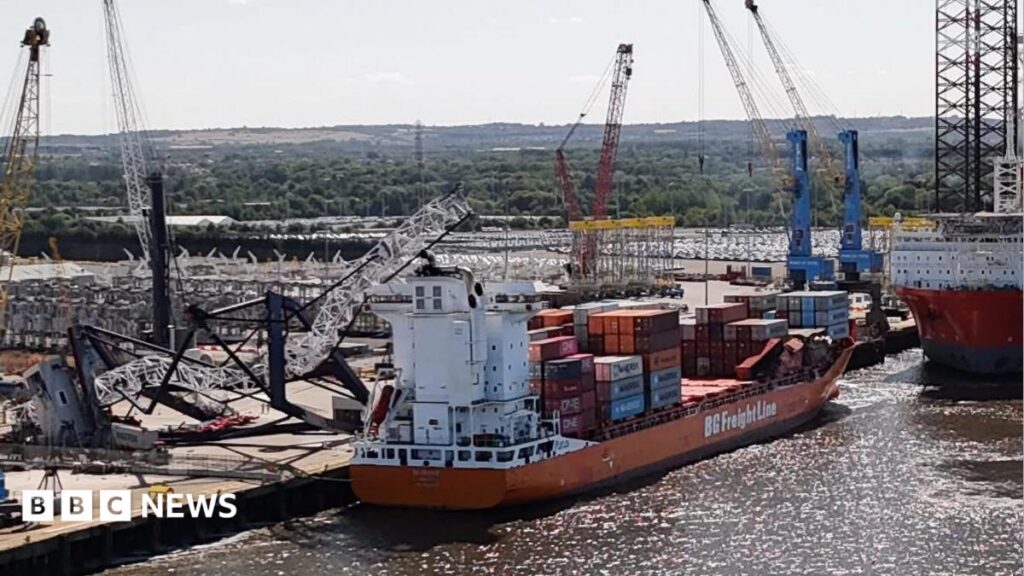
Man injured in dockside crane ‘collapse’ is a reminder that extreme and unpredictable weather has become a recurring feature of recent years rather than an occasional anomaly.
Man injured in dockside crane ‘collapse’ points to the growing strain that shifting weather patterns are placing on infrastructure, emergency services and everyday life.
In the specific case of “Man injured in dockside crane ‘collapse’,” the details below place the story in a wider frame rather than repeating claims that have not been independently verified.
Meteorologists have pointed to a broader pattern of more frequent extreme weather events, including prolonged dry spells, sudden storms and unseasonable heat, consistent with the effects that climate scientists have long forecast under a warming climate.
Emergency services and infrastructure operators have had to adapt planning and resourcing to account for events that were once considered rare but are now recurring with greater frequency.
Local authorities and utility providers typically activate contingency plans once conditions reach a certain threshold, ranging from public advisories to formal restrictions or emergency response deployments.
The cumulative effect of repeated extreme weather events has also renewed public and policy debate around long-term investment in resilient infrastructure and climate adaptation.
Why It Matters
Extreme weather events have direct consequences for public safety, agriculture, water supply and infrastructure. They also serve as concrete, tangible examples in the broader public debate about climate adaptation and the level of investment needed to prepare for a less predictable climate.
Who Is Affected
Residents and businesses in the directly affected area.
Emergency services and local authorities managing the response.
Farmers and agricultural businesses reliant on stable water and weather conditions.
Insurers and infrastructure operators assessing longer-term risk.
Factors Shaping the Situation
Prevailing weather patterns and longer-range forecasts for the region.
The capacity of local infrastructure to cope with extreme conditions.
Emergency planning and response coordination among relevant agencies.
The broader climate trends that provide context for individual events.
Reaction and Context
Reaction to extreme weather events typically comes from emergency services, local authorities and affected residents, alongside broader commentary from climate scientists and environmental groups about the pattern such events form part of.
Emergency services typically emphasise public safety guidance during the event itself.
Local authorities focus on immediate response and longer-term resilience planning.
Scientists and environmental groups place individual events within the broader pattern of climate change.
The Bigger Picture for Climate Resilience
Individual weather events, however dramatic, are typically most meaningful in aggregate: it is the accumulation of similar episodes over time that drives policy change, infrastructure investment and shifts in public attitudes toward climate adaptation. Scientists and planners generally caution against drawing sweeping conclusions from any single event, while also noting that the broader pattern of increasing frequency and severity is well documented in the research literature.
Long-Term Considerations
Individual weather events increasingly feed into a much longer conversation about infrastructure resilience and climate adaptation planning, an area where investment decisions made today will shape how well communities cope with similar events in the future.
Putting Individual Events in Context
Weather is inherently variable, and any single dry spell, storm or heatwave needs to be weighed against long-term climate data rather than treated in isolation. Meteorological agencies typically publish historical comparisons that help distinguish an unusual but not unprecedented event from a genuine outlier. That context matters both for immediate public safety messaging and for the longer-running public debate about how much of what we are seeing reflects natural variability versus a broader shift in underlying climate patterns.
Outlook
Forecasters and emergency planners will continue to monitor how conditions develop in the coming days and weeks, with further advisories possible depending on how the situation evolves. Longer term, events like this are likely to keep feeding into public and political debate about the pace and scale of investment needed in climate resilience and infrastructure.
What Happens Next
Authorities will continue to monitor conditions closely, with further advisories or restrictions possible if the pattern persists. Longer term, the event is likely to feed into ongoing debate about infrastructure investment and climate resilience planning.
How Authorities Typically Respond
Local and national authorities generally follow established protocols for events of this kind, ranging from public safety advisories to formal emergency declarations, depending on severity. Reviewing how well those protocols performed is usually part of the follow-up process once the immediate situation has passed.
A Note on This Coverage
This article provides general context around the headline rather than real-time reporting, so readers should consult official meteorological and emergency service sources for current, verified conditions and advisories relevant to their area.
In Short
Man injured in dockside crane ‘collapse’ is, at its core, a story about how a specific event connects to larger, ongoing questions in its field. The details above are offered as background rather than a substitute for primary reporting, and readers wanting the fullest, most current picture should keep an eye on official statements and established news coverage as the story continues to unfold in the days ahead.
For now, Man injured in dockside crane ‘collapse’ stands as a snapshot of a moment that is still unfolding, and it is one worth revisiting as further details come to light. It is a useful illustration of how quickly a single event can generate wider debate about the issues surrounding it.
Ultimately, how this story is remembered will depend on what follows in the days and weeks ahead, and readers are encouraged to look out for further reporting as the situation develops. Context like this is often just as important as the headline itself in understanding what actually happened and why it matters.
As with most stories of this kind, the full picture will likely become clearer with time, as more information emerges and the immediate reaction gives way to more considered analysis. Readers who want to follow the story closely should expect further updates as circumstances develop and official responses are issued.
Originally reported by bbc.co.uk. Adapted for our readers with AI assistance.
Thousands of young protesters in Delhi continue to demand education reforms and the resignation of Education Minister Dharmendra Pradhan after a police crackdown. The…
Facing a looming financial collapse, Thames Water’s main lenders have offered the UK government a ‘golden share’ and increased local authority involvement to avoid…
Facing record-breaking temperatures and severe drought, Thames Water has introduced a hosepipe ban impacting over 10 million customers across parts of southern England to…