Man Charged with Assisting Iran’s Intelligence Service in UK National Security Case
In a significant development in the UK’s national security landscape, Vahid Aberi, a 39-year-old man from Liverpool, has been formally charged with an offence under the National Security Act. The charge relates to allegations that Aberi assisted Iran’s intelligence service, a matter that has drawn attention to the persistent challenges posed by foreign intelligence activities on British soil. This article explores the details of the case, the broader context of counter-terrorism policing in the UK, and the implications for national security.
Man Charged with Assisting Iran’s Intelligence Service in UK National Security Case
Details of the Arrest and Charges
Vahid Aberi was arrested on Wednesday in Birmingham as part of an investigation led by Counter Terrorism Policing. Following his arrest, searches were conducted at properties linked to Aberi in both Birmingham and Liverpool, indicating a coordinated effort to gather evidence across multiple locations.
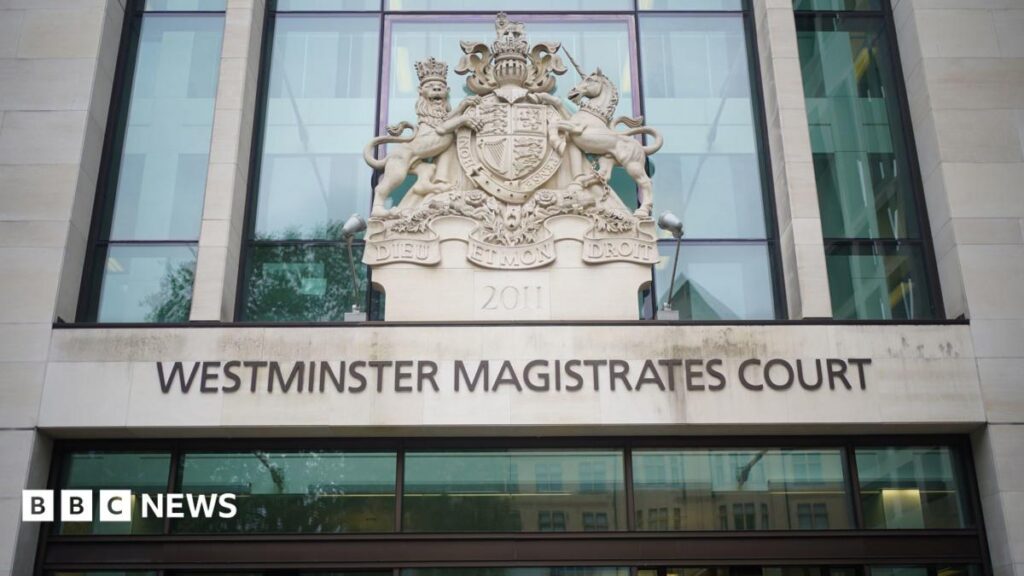
Aberi has been charged with an offence under the National Security Act, a legal framework designed to address threats to the UK’s national security, including espionage and activities that support foreign intelligence services. After being remanded in custody, he is scheduled to appear at Westminster Magistrates’ Court, where the case will proceed through the judicial system.
The Role of Counter Terrorism Policing
Counter Terrorism Policing plays a crucial role in identifying and disrupting activities that threaten the UK’s security. Commander Helen Flanagan, Head of Counter Terrorism Policing London, emphasized the increasing volume and complexity of national security investigations in recent years. She described the Aberi case as an example of proactive intervention to disrupt suspected activities linked to foreign intelligence services.
While the police have refrained from disclosing detailed allegations at this stage, they have reassured the public that no direct threat to individuals or communities has been identified in connection with this investigation. This approach reflects the sensitive nature of national security cases and the need to balance transparency with operational security.
Context: Foreign Intelligence Threats in the UK
The UK has long been a target for foreign intelligence operations, with various countries seeking to gather information or influence political and economic outcomes. Iran’s intelligence services have been under scrutiny for their activities abroad, including alleged espionage and covert operations.
Cases like Aberi’s underscore the ongoing vigilance required to counter these threats. The UK government and security agencies have expanded their capabilities to detect and respond to espionage, recognizing that foreign intelligence activities can undermine national security and public trust.
The National Security Act provides a legal basis to prosecute individuals suspected of assisting foreign intelligence services, reflecting the seriousness with which the UK treats such offenses.
Public Reassurance and Community Impact
In the wake of Aberi’s arrest, authorities have sought to reassure the public that there is no immediate danger to communities or individuals. This is a critical message in maintaining public confidence, especially in areas like Liverpool and Birmingham, where the investigation’s physical footprint was evident.
Counter Terrorism Policing’s communication strategy highlights the importance of transparency while protecting sensitive information. Public cooperation remains essential, and authorities encourage people to report suspicious activities without fear or prejudice.
The case also serves as a reminder of the delicate balance between national security and civil liberties, ensuring that investigations are conducted lawfully and with respect for individual rights.
Broader Implications for UK National Security
The Aberi case is part of a broader pattern of heightened national security efforts in the UK. With evolving geopolitical tensions and sophisticated intelligence operations, the UK’s security services are adapting to new challenges.
This case may prompt further scrutiny of foreign intelligence activities and reinforce the importance of inter-agency cooperation, both domestically and internationally. It also highlights the need for ongoing public awareness and vigilance against espionage threats.
While the legal process will determine the outcome for Aberi, the case itself serves as a public example of the UK’s commitment to safeguarding its national security interests.
Editor’s note: The following is AI-generated commentary and context on this topic, not original reporting.
How National Security Cases Typically Proceed
Charges related to assisting a foreign intelligence service are prosecuted under specific national security legislation, and cases of this nature often involve extended pre-trial proceedings given the sensitivity of evidence and the security clearances sometimes required to review it. UK security services have in recent years placed increased public emphasis on the threat posed by foreign state actors seeking to recruit individuals for surveillance, intimidation or intelligence-gathering activities against dissidents and political exiles living in Britain.
Legal proceedings in such cases typically balance the right to a fair, public trial against legitimate national security concerns, sometimes resulting in partial reporting restrictions on specific evidence. Analysts who study state-sponsored activity generally note that such prosecutions, when they occur, are often treated as a signal of a government’s broader posture toward a foreign state’s activities on its soil.
What this means
The charging of Vahid Aberi marks a significant moment in the UK’s ongoing efforts to counter foreign intelligence threats. While the details of the case remain confidential to protect national security interests, the incident underscores the vigilance and proactive measures employed by UK security agencies. It also reassures the public that, despite the seriousness of such investigations, there is no immediate threat to safety. As the legal process unfolds, this case will likely contribute to the broader discourse on national security, foreign espionage, and the balance between security and civil liberties in the UK.
Originally reported by bbc.co.uk. Adapted for our readers with AI assistance.
Thousands of young protesters in Delhi continue to demand education reforms and the resignation of Education Minister Dharmendra Pradhan after a police crackdown. The…
Facing a looming financial collapse, Thames Water’s main lenders have offered the UK government a ‘golden share’ and increased local authority involvement to avoid…
Facing record-breaking temperatures and severe drought, Thames Water has introduced a hosepipe ban impacting over 10 million customers across parts of southern England to…