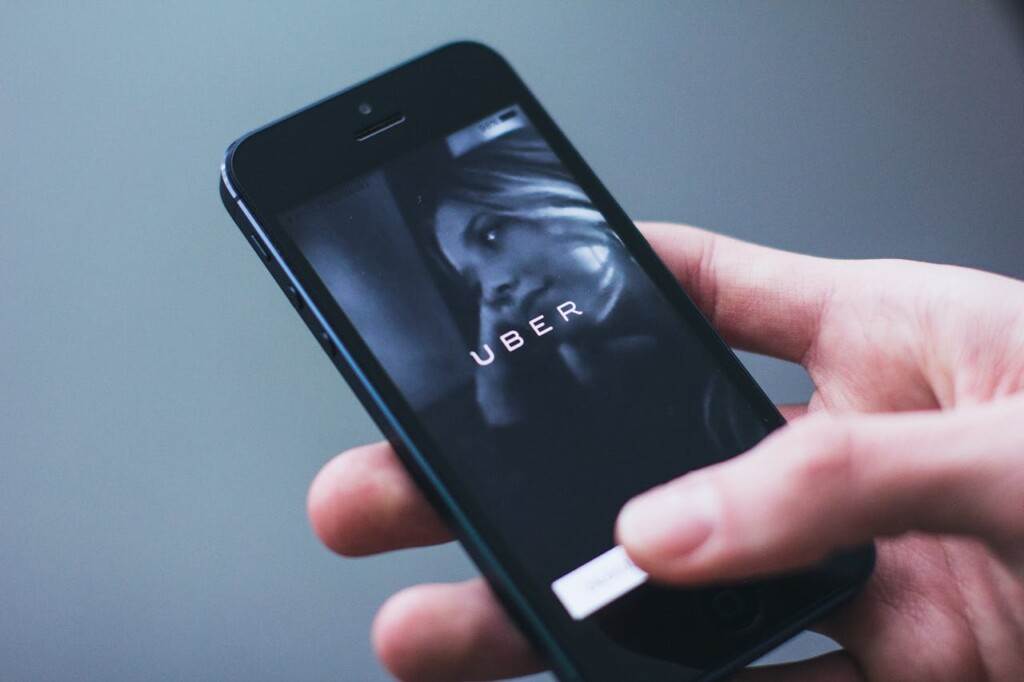
Uber Wants Less Cars On The Road: Will Pay $1000 To 175 People To Give Their Car Up For 5 Weeks
In an innovative move to tackle urban congestion and the environmental impacts of car ownership, Uber has launched the “One Less Car” trial, inviting 175 participants across major US and Canadian cities to give up their personal vehicles for five weeks. In exchange, Uber will pay each participant $1,000 and provide credits for alternative transportation methods. This initiative aims to highlight the financial burdens and societal costs of owning a car while promoting more sustainable, cost-effective mobility options. This comprehensive article explores the details of Uber’s program, eligibility criteria, potential benefits, and what this could mean for the future of urban transportation.
Understanding Uber’s “One Less Car” Trial
Uber’s “One Less Car” trial is a strategic experiment designed to encourage people to reduce their reliance on personal vehicles. The trial runs for five weeks and targets 175 participants from six major metropolitan areas in the US and Canada, including Los Angeles, Chicago, Washington D.C., Miami, San Francisco, Toronto, and Vancouver.
Participants will receive $1,000 to cover the average monthly cost of owning and operating a car. This financial incentive is paired with credits to explore various alternative transportation modes, such as Uber rides, bike and scooter rentals, carsharing, and public transit. The trial aims to demonstrate how much money and environmental impact can be saved by lowering car use.
Uber intends to use the data collected from the trial to better understand travel behavior and the feasibility of car-light lifestyles. The company hopes this will inform future urban mobility solutions that reduce traffic congestion and pollution, ultimately contributing to healthier, more sustainable cities.
Financial Incentives and Transportation Credits Explained
The $1,000 payment is structured to incentivize participants to try out alternative transportation options. It is divided into three parts: $500 in Uber Cash for rides and Lime bike and scooter rentals, a $200 voucher for car rentals or carsharing, and $300 in public transport credits for buses, trains, or subways.
The $500 Uber Cash is redeemable directly through the Uber app, allowing participants to conveniently book rides or rent micromobility options. This flexibility encourages users to explore different ways to get around without their personal vehicles.
The remaining $500, split between car rental vouchers and public transit credits, requires participants to keep receipts for reimbursement. This approach ensures accountability and allows Uber to analyze transportation preferences and spending patterns during the trial period.
Who Can Participate? Eligibility Criteria and Application Process
Uber is seeking participants who are at least 18 years old, have a valid driver’s license, and own a vehicle they use regularly—specifically at least three times per week. Applicants must also possess a bank card and be willing to share their experiences and travel data throughout the trial.
The application process is conducted online, targeting residents of select cities. Uber plans to select 30 participants per city to ensure a diverse and representative sample. The trial is scheduled to run from July 22 to August 25, providing a summer window for participants to test alternatives to car ownership.
Importantly, Uber recognizes the challenges of going completely car-free. The trial is flexible, allowing participants with multiple vehicles to give up just one car, and encourages reduced car use rather than complete elimination. This realistic approach aims to gather meaningful data on gradual shifts toward car-light living.
The Environmental and Social Impact of Reducing Car Ownership
Reducing the number of cars on the road has significant environmental benefits, including lower greenhouse gas emissions and improved air quality. Urban areas often suffer from pollution and traffic congestion, both of which contribute to public health issues. Uber’s trial seeks to quantify these benefits through real-world behavioral changes.
Socially, car ownership carries hidden costs such as maintenance, insurance, parking fees, and depreciation. By promoting alternative transportation, Uber hopes to demonstrate how individuals can save money while reducing stress related to driving and parking in busy cities.
Moreover, shifting to shared mobility and public transit can foster community connectivity and reduce urban sprawl. The trial also addresses equity by providing participants with accessible transportation options, potentially benefiting those who find car ownership financially burdensome.
Addressing Criticism: Is This Just a Publicity Stunt?
Some critics have questioned the authenticity of Uber’s “One Less Car” trial, suggesting it might be a publicity stunt designed to improve the company’s image amid concerns about rideshare services contributing to traffic congestion. However, Uber maintains that the program is research-driven and aims to provide actionable insights.
Uber’s global head of sustainability policy, Adam Gromis, emphasized that the trial is about understanding how people can adopt car-light lifestyles and the barriers they face. The company is transparent about the trial’s goals to reduce emissions, save money for users, and ease traffic congestion.
Furthermore, Uber’s initiative builds on a similar experiment conducted in Australia in 2023, which yielded valuable data on travel behaviors and preferences. This continuity suggests a genuine commitment to exploring sustainable urban mobility rather than a one-off marketing campaign.
Learning From the Australian Pilot: Key Insights and Outcomes
In 2023, Uber partnered with the Behavioural Insights Team in Australia to run a four-week trial encouraging participants to give up their cars. Dozens of Australians participated, providing data on their travel habits and experiences with alternative transportation.
The Australian pilot revealed that many participants saved money and appreciated the convenience of multimodal transportation options. It also highlighted challenges such as the need for better public transit infrastructure and more seamless integration between different modes of travel.
These insights have helped Uber refine the North American trial design, particularly in offering a balanced mix of ride-hailing, micromobility, carsharing, and public transit credits. The Australian experience reinforces the potential benefits and obstacles of transitioning to a car-light lifestyle.
How to Maximize Benefits During the Trial
Participants can maximize their experience by planning trips using a combination of Uber rides, bikes, scooters, and public transit. This multimodal approach not only reduces car dependence but also helps participants discover the most efficient and affordable travel options.
Keeping detailed records and receipts for carsharing and public transit usage is crucial for reimbursement and data collection. Participants should also engage with the Uber app regularly to track their Uber Cash balance and explore promotions or discounts available through the Uber One membership.
Engaging with community resources, such as transit apps or local bike-sharing programs, can enhance the car-free experience. Participants are encouraged to share feedback and experiences, which will contribute to shaping future transportation policies and services.
The Future of Urban Mobility: What Uber’s Trial Could Mean
Uber’s “One Less Car” trial represents a forward-thinking approach to urban mobility challenges. If successful, it could accelerate the adoption of car-light lifestyles and encourage cities to invest more in sustainable transportation infrastructure.
The trial’s data could influence policy decisions on traffic management, emissions reduction, and public transit funding. It also signals a shift in Uber’s business model from solely ridesharing to a broader mobility platform incorporating shared and public transit options.
Ultimately, the trial may inspire individuals and communities to rethink personal vehicle ownership and embrace diverse, environmentally friendly transportation solutions. This aligns with global trends toward reducing carbon footprints and creating more livable urban environments.
Conclusion
Uber’s “One Less Car” trial is an ambitious and innovative experiment addressing the pressing challenges of urban congestion, environmental sustainability, and the high costs of car ownership. By incentivizing participants with $1,000 and providing diverse transportation credits, Uber is encouraging people to rethink their reliance on personal vehicles and explore alternative mobility options. While some skepticism exists, the trial builds on prior research and offers valuable data that could shape the future of urban transportation. Ultimately, this initiative may pave the way for more sustainable, affordable, and flexible ways to navigate our cities, benefiting individuals and communities alike.
Originally reported by ibtimes.co.uk. Adapted for our readers.
Discover how emotionally intelligent couples use a simple 'capacity check' question every morning to strengthen their relationships, reduce conflicts, and navigate daily challenges with…
Lifestyle By Aisha Balogun The death of Nigerian-born British influencer and socialite, Igho Ubiribo, popularly known as “Tiny” or “Ego”, has reopened questions surrounding…