
Lifestyle
How to Find a Room Rental That Fits Your Budget and Lifestyle
Lifestyle Choosing a room rental involves more than selecting the lowest monthly figure. Housing costs interact with commuting, food, utilities, privacy, safety, and household…
TAMFIS NIG LTDRC 8067447CAC ACTIVEFinima, Bonny Island, Rivers State

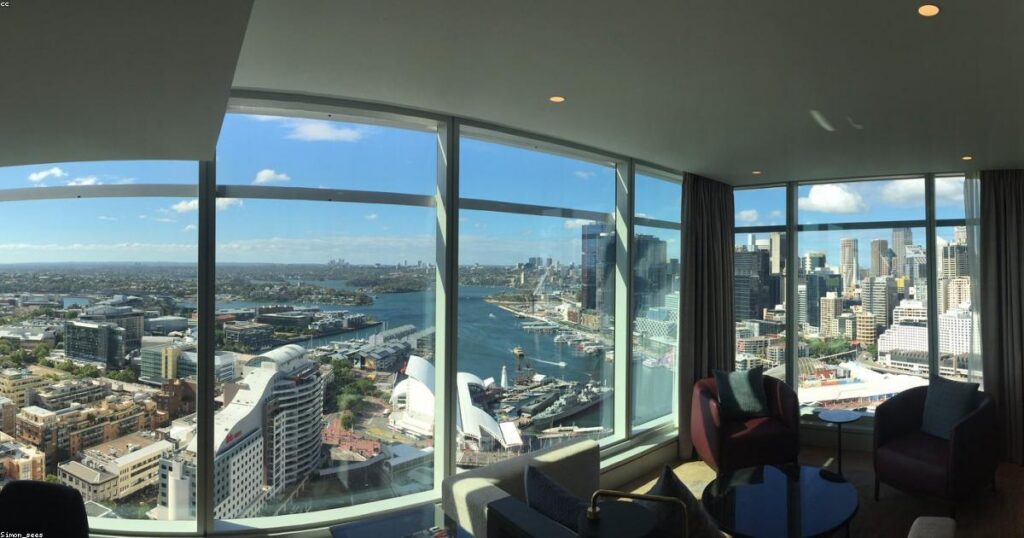
Sydney, Australia's bustling metropolis known for its iconic harbor and vibrant culture, has long been a playground for the wealthy elite. Among them was a high-flyer whose name became synonymous with luxury, ambition, and success. This individual’s life was marked by opulent parties, exotic vacations, and a social media presence that dazzled thousands. However, beneath the glittering surface lay vulnerabilities that ultimately led to a stunning downfall. This article explores the lavish lifestyle that captivated Sydney, the factors contributing to the eventual collapse, and the broader implications of such a rise-and-fall narrative in modern society.
Every great story of opulence often begins with modest origins, and the Sydney high-flyer’s journey was no exception. Born into an average middle-class family, the individual’s early years were characterized by a relentless drive to succeed and a keen eye for opportunity. Education played a pivotal role, with degrees from prestigious institutions paving the way for a promising career in finance and entrepreneurship.
Leveraging professional acumen and networking skills, the high-flyer quickly ascended Sydney’s social ladder. Their ability to connect with influential figures and capitalize on emerging markets distinguished them from peers. This ascent was not just about wealth accumulation but also about crafting an image of sophistication and exclusivity that resonated within elite circles.
By their late twenties, the individual was a recognizable figure in Sydney’s nightlife and business scenes. Invitations to exclusive events, features in lifestyle magazines, and a growing social media following cemented their status as a bona fide high-flyer. This phase marked the beginning of a lifestyle defined by extravagance and public admiration.
The high-flyer’s lifestyle was a vivid showcase of luxury, epitomizing the dreams of many aspiring Sydneysiders. Their residences included penthouses with panoramic views of the Sydney Opera House and private beach houses along the coast. These properties were not just homes but statements of status, meticulously designed and decorated with the finest materials.
Travel was another hallmark of their opulence. Frequent trips to exotic locations such as the Maldives, Monaco, and Bali were documented extensively on social media, fueling public fascination. Each journey was marked by stays in five-star resorts, private yacht charters, and exclusive dining experiences, reflecting a life lived without financial restraint.
Beyond possessions and travel, the high-flyer’s social calendar was packed with gala events, charity balls, and elite parties. These occasions were opportunities to flaunt designer fashion, expensive jewelry, and a network of influential friends. The lifestyle projected an image of success and happiness, attracting admiration and envy in equal measure.
While the public saw only glamour, maintaining such a lifestyle required immense effort and came with significant pressures. The constant need to appear successful and flawless in public created a stressful environment. Social media added another layer of complexity, where every post was scrutinized and expectations were perpetually high.
Financially, the upkeep of multiple properties, luxury vehicles, and frequent travel demanded substantial income streams. The high-flyer often engaged in high-risk investments and leveraged credit to sustain their lifestyle. These financial maneuvers, while initially effective, planted seeds of vulnerability that would later prove detrimental.
Moreover, personal relationships were strained under the weight of public attention and the relentless pursuit of status. Friends and family sometimes perceived the individual as distant or preoccupied, leading to isolation. The dichotomy between public perception and private reality highlighted the challenges of living a double-edged life.
Cracks in the high-flyer’s carefully constructed image began to appear as rumors of financial instability and personal conflicts surfaced. Business ventures once lauded for innovation started reporting losses, raising questions about management and transparency. Media outlets picked up on these developments, intensifying public scrutiny.
Social media followers noticed a change in tone, with fewer glamorous posts and more cryptic messages hinting at stress and uncertainty. Insider accounts from close associates revealed tensions and disagreements, suggesting that the high-flyer’s support network was weakening. The pressure of maintaining appearances became increasingly unsustainable.
Legal troubles soon followed, including investigations into financial irregularities and contractual disputes. These issues not only threatened the individual’s wealth but also their reputation. The high-flyer faced a media storm that shifted public perception from admiration to skepticism and criticism, marking a pivotal moment in their downfall.
The culmination of financial mismanagement, legal challenges, and personal turmoil led to a rapid unraveling of the high-flyer’s empire. Properties were put on the market to cover debts, luxury assets were liquidated, and previously lucrative business ventures shuttered. This financial collapse was both dramatic and public, with media outlets chronicling every development.
Socially, the individual experienced ostracization from former circles. Invitations ceased, partnerships dissolved, and endorsements were withdrawn. The once-celebrated figure became a cautionary tale, illustrating how quickly fortunes can change in the high-stakes world of wealth and fame.
Despite the setbacks, the high-flyer attempted to rebuild, engaging in lower-profile ventures and seeking to restore credibility. However, the shadow of past failures lingered, making recovery challenging. This phase underscored the fragility of status built primarily on material success and public image.
The story of the Sydney high-flyer offers valuable insights into the complexities of wealth and fame in contemporary society. One key lesson is the importance of financial prudence and diversification to safeguard against market volatility and personal setbacks. Excessive reliance on credit and risky investments can accelerate downfall.
Another takeaway is the psychological toll of maintaining a public persona that may not align with reality. The pressures to conform to societal expectations can lead to isolation and emotional distress. Authenticity and strong personal relationships are crucial for long-term well-being.
Finally, this narrative highlights the transient nature of social status based on materialism. True resilience and respect often stem from integrity, adaptability, and meaningful contributions rather than mere displays of wealth. These reflections are essential for anyone navigating the intersections of success and public life.
High-profile rises and falls captivate public imagination and influence societal attitudes towards wealth and success. The Sydney high-flyer’s story serves as a mirror reflecting both the allure and dangers of extravagant living. Media coverage often oscillates between glamorization and moral judgment, shaping collective narratives.
These stories can inspire ambition but also caution against unchecked excess. They prompt discussions about financial literacy, mental health, and the ethical responsibilities of public figures. In Sydney’s context, they contribute to ongoing debates about inequality, social mobility, and the cultural significance of wealth.
Moreover, such narratives impact younger generations who may idolize or critique high-flyers. Understanding the complexities behind the headlines encourages a more nuanced view of success, fostering critical thinking about personal goals and societal values.
Despite the magnitude of the downfall, stories of redemption often emerge as individuals seek to learn from past mistakes. The Sydney high-flyer’s journey is no different, with efforts to rebuild reputation through philanthropy, entrepreneurship, or advocacy. These new chapters emphasize growth, accountability, and resilience.
Engaging with community initiatives and transparent communication can help restore trust and demonstrate genuine change. Many former high-flyers find purpose in mentoring others, sharing experiences to prevent similar pitfalls. Such endeavors contribute positively to societal discourse on success and failure.
Ultimately, the transition from downfall to redemption underscores the human capacity for transformation. While the lavish lifestyle may be left behind, the lessons and renewed focus can lead to meaningful and sustainable achievements beyond material wealth.
The tale of the Sydney high-flyer is a compelling narrative of ambition, glamour, vulnerability, and resilience. It serves as a poignant reminder that beneath the surface of luxury lies a complex interplay of pressures and choices that can lead to both extraordinary success and dramatic failure. By examining this story, individuals and society at large can glean important lessons about the true nature of success, the importance of balance, and the enduring possibility of renewal. In a city that celebrates achievement, the high-flyer’s journey offers a nuanced perspective on the costs and rewards of living in the spotlight.
Originally reported by stuff.co.nz. Adapted for our readers.
Keep reading
Lifestyle
Lifestyle Choosing a room rental involves more than selecting the lowest monthly figure. Housing costs interact with commuting, food, utilities, privacy, safety, and household…
Lifestyle
Lifestyle Mention Phuket and visions of a sun-kissed beach escape immediately come to mind — where days are spent basking in the tropical sun by…
Lifestyle
Lifestyle Lifestyle When asked to name the most productive American trot set apart, most would say...
TAMFIS NIG LTD
Electrical and instrumentation engineering, bid preparation and consulting, IT and software.