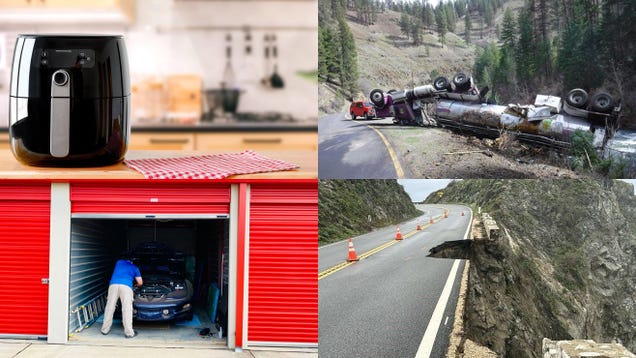
The air fryer hoax, storing your automobile, and a cruise long gone unhealthy: Standard of living recordsdata roundup
In today’s fast-paced world, lifestyle trends and everyday challenges often dominate our conversations. From kitchen appliances promising revolutionary cooking methods to the intricacies of car maintenance and the unpredictability of travel, staying informed is essential. This article unpacks three intriguing stories making waves: the so-called air fryer hoax, best practices for storing your automobile, and a harrowing cruise experience that underscores the importance of timing and preparedness. Through detailed analysis and expert insights, we aim to separate fact from fiction and provide practical guidance for readers.
Debunking the Air Fryer Hoax: What You Need to Know
The air fryer has become a staple in many American kitchens, especially after the pandemic popularized quick and seemingly healthier cooking alternatives. Advertised as a revolutionary appliance that fries food with little to no oil, the air fryer promised a culinary breakthrough. However, many enthusiasts might be surprised to learn that air frying is not a novel cooking method but rather a modern adaptation of convection baking.
At its core, an air fryer is essentially a compact convection oven equipped with a powerful fan that circulates hot air around food. This design allows it to cook items quickly and produce a crispy exterior similar to frying. Despite marketing claims, the technology behind air fryers has existed for decades, and the concept of cooking with circulating hot air is far from new.
Understanding this helps consumers approach the air fryer with realistic expectations. While it is indeed a convenient appliance for certain recipes, it does not fundamentally change cooking science. Instead, its popularity stems from its size, speed, and ease of use, making it an appealing choice for busy households rather than a groundbreaking culinary invention.
The Science Behind Air Frying: How It Really Works
Air fryers cook food by rapidly circulating hot air around it, which promotes even cooking and browning. This process mimics the Maillard reaction, a chemical reaction between amino acids and reducing sugars that gives browned food its distinctive flavor and texture. The fan inside the air fryer ensures consistent heat distribution, reducing cooking times compared to traditional ovens.
Unlike deep frying, which submerges food in hot oil, air frying uses minimal oil—often just a light coating—to achieve crispiness. This can result in lower calorie and fat content in meals, which contributes to the appliance’s health-conscious appeal. However, the texture and taste may differ from traditional fried foods, and some recipes may require adaptation.
While air fryers offer convenience and healthier cooking options, it is important to note that they are not a magic solution for all dietary concerns. Users should continue to focus on balanced nutrition and mindful eating habits alongside using such appliances.
Storing Your Automobile: Essential Tips for Longevity
Properly storing your automobile, whether for seasonal reasons or extended periods, is crucial to maintaining its condition and performance. Neglecting storage preparation can lead to battery drain, tire damage, and mechanical issues. To avoid costly repairs, vehicle owners should follow a systematic approach to storage.
Start by thoroughly cleaning your car inside and out to prevent corrosion and mold growth. Address any mechanical issues before storage, such as topping off fluids and changing the oil. Inflate tires to the recommended pressure to avoid flat spots during inactivity, and consider using tire jacks or blocks if storing for several months.
For long-term storage, disconnect the battery or use a trickle charger to maintain its charge. Cover the vehicle with a breathable car cover to protect it from dust and moisture. If possible, store the car in a climate-controlled garage to minimize exposure to extreme temperatures and humidity, which can accelerate wear.
Common Mistakes to Avoid When Storing Your Car
One frequent error is leaving the fuel tank partially empty. This can cause condensation inside the tank, leading to rust and fuel degradation. It is advisable to fill the tank completely and add a fuel stabilizer to maintain fuel quality during storage.
Another oversight is neglecting to protect the tires. Flat spots can develop when a car sits idle, especially on hard surfaces. Regularly moving the car slightly or using supports can help prevent this. Additionally, failing to cover the car or leaving windows slightly open can invite pests or moisture, causing interior damage.
Ignoring battery maintenance is a critical mistake. A dead battery can lead to electrical system failures and make starting the car difficult. Using a battery maintainer or removing the battery entirely during storage can preserve its lifespan and ensure reliable operation when you return to driving.
A Cruise Long Gone Unhealthy: Lessons from a Missed Departure
Travel mishaps can turn dream vacations into stressful ordeals, as experienced by nine passengers on a Norwegian Cruise Line ship who missed their departure. Left behind while the rest of the ship sailed away, these travelers faced the daunting task of reuniting with their cruise amid a trans-African journey.
This incident highlights the importance of punctuality and clear communication when embarking on cruises. Unlike other travel modes, cruise ships operate on strict schedules with limited flexibility once underway. Passengers must account for boarding times, potential delays, and embarkation procedures to avoid missing the ship.
Moreover, this scenario underscores the need for contingency planning during travel. Travelers should familiarize themselves with the cruise line’s policies on missed departures and have access to emergency contacts. Travel insurance that covers missed connections can also mitigate financial and logistical challenges in such situations.
Navigating Coastal Roads: The Challenges of Highway 1
California’s Highway 1 is famed for its breathtaking views along the Pacific coastline but is also notorious for its vulnerability to natural hazards. Built on sheer cliffs, the roadway experiences frequent closures due to landslides and erosion, impacting both residents and tourists.
Engineering efforts have attempted to stabilize the road, yet the dynamic coastal environment continues to pose challenges. These closures disrupt local economies dependent on tourism and complicate travel plans, illustrating the delicate balance between infrastructure and nature.
Travelers planning to journey along Highway 1 should monitor road conditions and plan alternate routes. Awareness of seasonal weather patterns and potential hazards can help ensure safety and prevent unexpected delays on this iconic but precarious route.
The Rise of Man-Made Pancreas Systems for Diabetes Care
In a significant advancement for diabetes management, the National Health Service in England announced the distribution of hundreds of man-made pancreas systems to individuals with Type 1 diabetes. These devices combine continuous glucose monitoring with insulin pumps to automate blood sugar control.
By mimicking the function of a healthy pancreas, these systems reduce the burden of constant monitoring and insulin adjustments, improving quality of life and health outcomes. The integration of technology in healthcare represents a promising trend in chronic disease management.
Wider adoption of such devices depends on accessibility, patient education, and ongoing research to refine algorithms and device performance. Nonetheless, this innovation marks a hopeful step toward more effective and personalized diabetes care.
Tracing the Origins of Domesticated Chicken Eggs
Archaeological discoveries in Central Asia suggest that humans began domesticating the ancestors of modern chickens for egg production as early as 400 BCE. This finding sheds light on the longstanding relationship between humans and poultry farming.
The reliable availability of eggs likely contributed to the chicken’s global spread as a valuable food source. This early domestication underscores the importance of eggs in human diets and agricultural development throughout history.
Understanding these origins offers perspective on current agricultural practices and the cultural significance of poultry. It also informs sustainable farming approaches by tracing how ancient methods evolved into modern production systems.
Conclusion
From kitchen innovations to travel tales and health breakthroughs, the lifestyle landscape is continually evolving. Understanding the realities behind popular trends like air frying helps consumers make informed choices. Meanwhile, practical advice on vehicle storage can save time and money, and cautionary travel stories remind us of the importance of preparation. Advances in medical technology and insights into agricultural history further enrich our appreciation of everyday life. Staying informed across these diverse topics empowers us to navigate modern challenges with confidence and curiosity.
Originally reported by qz.com. Adapted for our readers.
Obi says his wife funds her own purchases. This analysis separates his explanation, unverified handbag prices and the evidence needed to assess public spending.
Omotola’s podcast remarks raise practical questions about income, reputation and values. Here is how professionals can assess offers without inventing claims about missed earnings.