Summer camp for billionaires, fake Louis Vuitton bags, and expensive dresses: Lifestyle news roundup
In today’s fast-paced world, lifestyle news often reflects the evolving tastes and challenges of society’s most affluent and fashion-conscious individuals. From exclusive summer camps catering to billionaires, to the ongoing battle against counterfeit luxury goods, and the allure of expensive designer dresses, the luxury lifestyle sector continues to captivate global attention. This article delves into these fascinating topics, providing a comprehensive roundup of recent developments and trends shaping the world of luxury and fashion.
Exclusive Summer Camps for Billionaires: The New Frontier of Luxury Experiences
Luxury summer camps have evolved far beyond traditional outdoor activities. Today, they are curated experiences designed exclusively for billionaires and ultra-high-net-worth individuals seeking privacy, exclusivity, and bespoke entertainment. These camps offer everything from private jet arrivals to personalized wellness programs and celebrity-hosted events, creating an environment where the elite can relax and network away from the public eye.
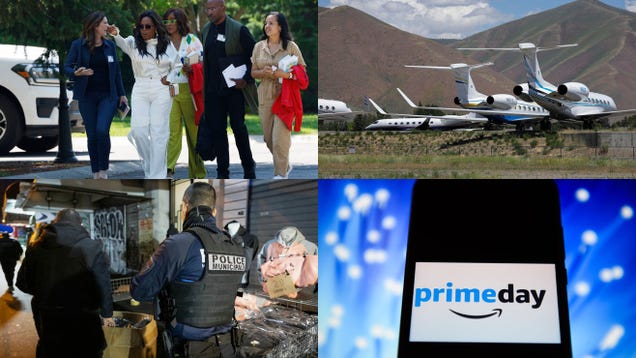
One notable example is the summer camp set in Sun Valley, Idaho, a small town that typically hosts under 2,000 residents but recently welcomed hundreds of wealthy guests along with over 165 private jets. The influx transforms the town into a vibrant hub of luxury, with exclusive parties, high-end dining experiences, and unique cultural events tailored to the tastes of the super-rich.
Such camps also emphasize privacy and security, ensuring that guests can enjoy their time without concerns about media intrusion or public scrutiny. This growing trend underscores the demand for luxury experiences that combine comfort, exclusivity, and prestige, reflecting the evolving lifestyle preferences of billionaires worldwide.
Crackdown on Fake Louis Vuitton Bags and Counterfeit Luxury Goods
The luxury goods market continues to grapple with the proliferation of counterfeit products, which not only damage brand reputation but also pose ethical and economic challenges. Recently, French law enforcement intensified efforts to combat the sale of fake luxury items, targeting flea markets and retail outlets known for distributing counterfeit goods.
In a significant operation, authorities confiscated over 63,000 counterfeit items, including fake Louis Vuitton bags, Nike shoes, and other luxury-inspired products. This crackdown resulted in the closure of 11 stores and the arrest of 10 individuals involved in the counterfeit trade, signaling a robust commitment to protecting intellectual property rights and consumer trust.
These enforcement actions highlight the ongoing battle luxury brands face in maintaining exclusivity and authenticity. Consumers are increasingly aware of the risks associated with counterfeit goods, prompting brands to invest in advanced anti-counterfeiting technologies and legal measures to safeguard their products.
The Allure and Impact of Expensive Dresses in Fashion History
Expensive dresses have long been emblematic of status, artistry, and cultural significance. Iconic garments, such as Audrey Hepburn’s little black dress or Judy Garland’s blue-checked pinafore, have transcended fashion to become symbols of their respective eras. Auction houses continue to set records by selling such dresses for staggering amounts, reflecting their enduring appeal.
In 2016, Julien’s Auctions set a Guinness World Record for the most expensive dress ever sold at auction, reinforcing the value collectors place on couture pieces with historical and celebrity provenance. These sales not only celebrate fashion but also preserve the legacy of design innovation and craftsmanship.
The fascination with high-end dresses extends beyond aesthetics; it embodies a connection to cultural moments and personalities. For fashion enthusiasts and collectors alike, these garments represent a tangible link to history, artistry, and the ever-evolving narrative of style.
Despite economic fluctuations and tightening budgets, the fragrance market has demonstrated remarkable resilience. Consumers continue to invest in perfumes and scents, viewing them as affordable luxuries that enhance personal identity and confidence.
Industry reports indicate a steady increase in fragrance sales even during periods of financial uncertainty, suggesting that consumers prioritize sensory experiences and self-care. This trend has encouraged brands to innovate with unique scent profiles and sustainable packaging to attract discerning buyers.
The sustained interest in fragrances also reflects broader lifestyle shifts, where wellness and self-expression through scent play a central role. As a result, the fragrance sector remains a dynamic and lucrative segment within the luxury market.
Amazon Prime Day: A Major Event for Lifestyle and Fashion Deals
Amazon Prime Day has established itself as one of the biggest shopping events of the year, offering significant discounts across a wide range of lifestyle and fashion products. Scheduled for mid-July, Prime Day attracts millions of shoppers eager to capitalize on early deals and exclusive offers.
This event not only benefits consumers seeking luxury items at reduced prices but also provides brands with a platform to boost visibility and sales. Amazon’s strategic promotion of Prime member services, including grocery delivery and entertainment subscriptions, further enriches the shopping experience.
With the anticipation of even more deals during the event, Prime Day continues to shape consumer behavior, encouraging bulk purchases and brand experimentation, thereby influencing the broader retail landscape.
Cultural Significance of Fast Food During Natural Disasters
Fast food chains often play unexpected roles during natural disasters, serving as indicators of recovery and community resilience. For example, during Hurricane Beryl’s impact in Texas, a map tracking open Whataburger locations in Houston became a unique tool for residents to gauge power restoration and accessibility.
This phenomenon highlights how familiar brands provide comfort and a sense of normalcy amid chaos. The availability of fast food outlets often correlates with infrastructure recovery, making them informal barometers for disaster response effectiveness.
Moreover, such maps and resources foster community engagement and information sharing, demonstrating the intersection of lifestyle, technology, and disaster management in contemporary society.
The Challenge of Heat and Comfort in Urban Transit Systems
Urban transit systems, particularly subway platforms, often become hotspots of discomfort during summer months. In cities like New York, the combination of heat, humidity, and underground environments creates challenging conditions for commuters.
The absence of air conditioning on many subway platforms exacerbates the problem, leading to public frustration and calls for infrastructure improvements. Experts argue that modernizing transit facilities to include climate control could significantly enhance passenger comfort and safety.
Addressing these concerns requires substantial investment and innovative engineering solutions. However, improving transit comfort aligns with broader urban sustainability and quality-of-life goals, making it a critical focus for city planners and policymakers.
High-Profile Weddings Among Billionaires: Extravagance and Social Influence
Weddings of billionaire families often attract significant media attention due to their opulence and social significance. The upcoming wedding of Anant Ambani, son of Reliance Industries CEO Mukesh Ambani, exemplifies this trend, expected to be one of the most expensive and high-profile ceremonies in recent years.
Such events showcase not only wealth but also cultural heritage and business alliances, often featuring elaborate venues, designer attire, and celebrity performances. They serve as platforms for social networking and reinforcing status within elite circles.
While extravagant, these weddings also highlight philanthropic and community aspects, with many incorporating charitable initiatives or cultural preservation efforts. They remain a fascinating intersection of luxury, tradition, and social dynamics.
Conclusion
The landscape of luxury lifestyle and consumer trends continues to evolve, shaped by the desires and challenges of the affluent and broader society alike. From exclusive billionaire summer camps and crackdowns on counterfeit luxury goods to the enduring allure of expensive dresses and resilient fragrance markets, these developments offer a window into contemporary culture and consumption. As technology, economics, and social dynamics interplay, the luxury sector adapts, reflecting both timeless values and modern innovations. Staying informed about these trends provides valuable insight into the future of lifestyle and luxury.
Originally reported by qz.com. Adapted for our readers.
Discover how emotionally intelligent couples use a simple 'capacity check' question every morning to strengthen their relationships, reduce conflicts, and navigate daily challenges with…
Lifestyle By Aisha Balogun The death of Nigerian-born British influencer and socialite, Igho Ubiribo, popularly known as “Tiny” or “Ego”, has reopened questions surrounding…