
Lifestyle
How to Find a Room Rental That Fits Your Budget and Lifestyle
Lifestyle Choosing a room rental involves more than selecting the lowest monthly figure. Housing costs interact with commuting, food, utilities, privacy, safety, and household…
TAMFIS NIG LTDRC 8067447CAC ACTIVEFinima, Bonny Island, Rivers State

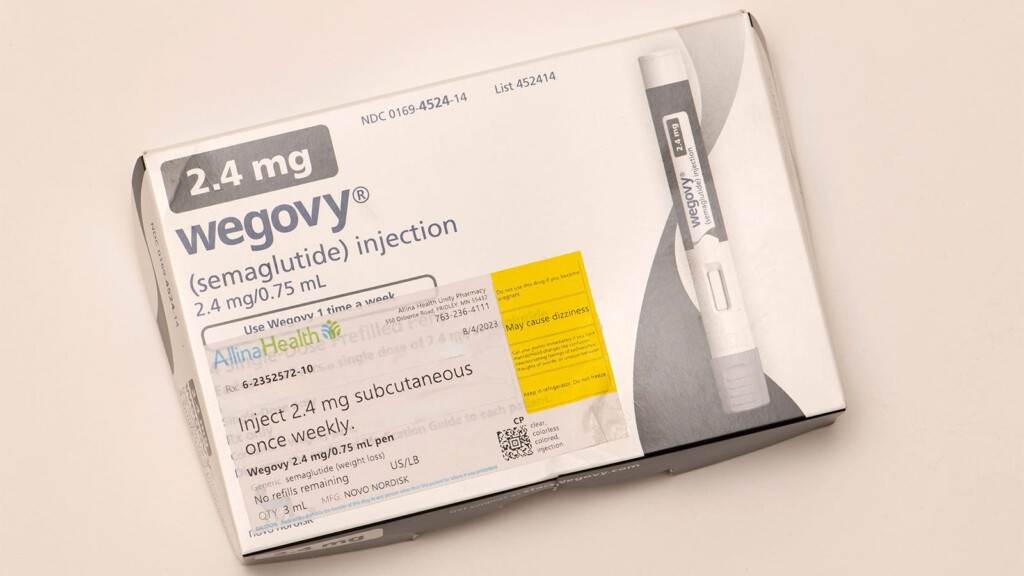
Obesity in childhood is a growing global health concern, with severe obesity in young children linked to significant physical and psychosocial complications. Traditionally, intensive lifestyle interventions have been the cornerstone of treatment, but pharmacological options for children under 12 have been limited. Recently, the FDA has been considering approval of liraglutide, a GLP-1 receptor agonist, for children aged 6 to 12 with severe obesity. This potential approval introduces new possibilities and challenges for pediatricians and obesity specialists. This article offers a thorough examination of whether prescribing liraglutide to a 6-year-old patient with obesity is advisable, weighing evidence, benefits, risks, and practical considerations.
Childhood obesity has escalated into a critical public health issue, with severe obesity affecting an increasing number of children under 12 years old. This condition predisposes young patients to a range of comorbidities, including prediabetes, nonalcoholic fatty liver disease, dyslipidemia, and obstructive sleep apnea. Beyond physical health, obesity can profoundly impact psychosocial well-being, leading to bullying, low self-esteem, and depression.
Early intervention is crucial because obesity in childhood often tracks into adulthood, increasing the risk of cardiovascular disease, type 2 diabetes, and other chronic illnesses. The complexity of severe obesity necessitates a multifaceted treatment approach, combining lifestyle changes, behavioral support, and, in certain cases, medical therapies.
Despite these needs, the treatment arsenal for children younger than 12 remains limited, with no obesity medications previously approved for this age group. This gap underscores the importance of exploring safe and effective pharmacological options that can complement lifestyle interventions.
Liraglutide is a glucagon-like peptide-1 (GLP-1) receptor agonist originally developed for type 2 diabetes management. It helps regulate blood sugar levels by enhancing insulin secretion and suppressing glucagon release. Additionally, liraglutide slows gastric emptying and promotes satiety, leading to reduced caloric intake and weight loss.
In adolescents aged 12 and older, liraglutide is FDA-approved for obesity treatment, often alongside lifestyle modifications. Clinical trials have demonstrated its efficacy in reducing body mass index (BMI) and improving metabolic markers in this population. Its role in pediatric obesity management is becoming increasingly recognized, especially in adolescents with severe obesity and related comorbidities.
The potential extension of liraglutide approval to younger children aged 6 to 12 is a pivotal development. However, this younger age group presents unique physiological and developmental considerations that necessitate careful evaluation of liraglutide’s safety, efficacy, and long-term impact.
A recent multicenter randomized controlled trial published in the New England Journal of Medicine evaluated liraglutide’s safety and efficacy in children aged 6 to 12 with severe obesity. Over 56 weeks, participants receiving 3 mg of liraglutide plus intensive lifestyle intervention experienced an average 5.8% reduction in BMI, compared to a 1.6% increase in the lifestyle-only group.
While the study showed promising BMI improvements, metabolic parameters such as blood pressure and hemoglobin A1c did not reach statistical significance, although trends suggested potential benefits. Importantly, the trial highlighted a high incidence of gastrointestinal side effects—nausea, vomiting, and diarrhea—occurring in approximately 80% of the liraglutide group versus 54% in the placebo group, mostly mild to moderate in severity.
An ongoing open-label extension aims to elucidate longer-term outcomes, including durability of weight loss, impact on growth, and safety profiles. The trial’s findings provide a foundation for FDA consideration but also underscore the need for cautious interpretation given limited long-term data.
The primary benefit of liraglutide in children aged 6 to 12 is a modest but meaningful reduction in BMI when combined with lifestyle interventions. This weight loss may help mitigate obesity-related comorbidities and improve quality of life. Additionally, although not yet conclusively studied in this age group, improvements in psychosocial well-being are plausible based on adolescent data.
However, significant risks must be weighed. The long-term safety and efficacy of liraglutide remain uncertain, particularly regarding its effects on growth and adult height. The frequent gastrointestinal side effects can affect adherence and quality of life. Moreover, weight regain after discontinuation is common, indicating the need for sustained treatment or alternative strategies.
Another consideration is the requirement for daily subcutaneous injections, which may pose challenges for young children and their families. These factors highlight that liraglutide should not be viewed as a standalone solution but rather as a component of a comprehensive treatment plan.
Prescribing liraglutide to a 6-year-old involves complex ethical considerations. Physicians must ensure informed consent with caregivers, fully discussing potential benefits, risks, unknowns, and the necessity for ongoing lifestyle interventions. The child’s assent, developmental stage, and ability to tolerate treatment must also be considered.
Given the novelty of pharmacotherapy in this age group, pediatricians should carefully select candidates for liraglutide treatment, prioritizing those with severe obesity and significant comorbidities unresponsive to lifestyle changes alone. Collaborative decision-making with multidisciplinary obesity specialists, dietitians, and behavioral therapists enhances treatment appropriateness and safety.
Logistical challenges, such as medication cost, insurance coverage, and access to specialized care, may influence prescribing decisions. Additionally, monitoring for side effects, growth parameters, and psychological impact requires robust follow-up, which may not be feasible in all clinical settings.
Liraglutide should be prescribed only as an adjunct to intensive health behavior and lifestyle interventions, including nutritional counseling, physical activity promotion, and behavioral therapy. This integrative approach is essential to address the multifactorial nature of obesity and maximize treatment efficacy.
Close monitoring during liraglutide therapy is critical to assess treatment response, side effects, and adherence. Regular follow-ups should include growth assessments, metabolic evaluations, and psychosocial screening to ensure holistic care.
Educating families about realistic expectations, the importance of sustained lifestyle changes, and potential side effects fosters adherence and empowers caregivers. Preparing families for the possibility of weight regain after therapy cessation can help in planning long-term management strategies.
The American Academy of Pediatrics (AAP) Clinical Practice Guideline cautiously supports considering weight loss pharmacotherapy for children aged 8 to 11 years with obesity, contingent on medication indications, risks, and benefits, always alongside lifestyle treatment. However, FDA approval remains a prerequisite for widespread clinical adoption in younger children.
Liraglutide’s potential approval for 6- to 12-year-olds represents a significant advancement but does not eliminate the need for comprehensive clinical judgment. Future research must focus on long-term safety, efficacy, optimal dosing, and psychosocial outcomes in this population.
Emerging pharmacotherapies and combination approaches may further enhance treatment options. Meanwhile, prevention strategies and early lifestyle interventions remain foundational to combating pediatric obesity at the population level.
The potential FDA approval of liraglutide for children aged 6 to 12 with severe obesity introduces a new, albeit cautious, chapter in pediatric obesity management. While clinical evidence supports its modest efficacy in BMI reduction, significant uncertainties about long-term safety, growth impact, and side effects persist. Consequently, liraglutide should be reserved for select patients after comprehensive evaluation and only as part of a holistic treatment plan emphasizing lifestyle modification. Informed shared decision-making with families and close monitoring are paramount. Ultimately, liraglutide may become a valuable tool in combating childhood obesity, but it is not a panacea. Continued research and adherence to evolving clinical guidelines will guide its prudent integration into pediatric care.
Originally reported by medpagetoday.com. Adapted for our readers.
Keep reading
Lifestyle
Lifestyle Choosing a room rental involves more than selecting the lowest monthly figure. Housing costs interact with commuting, food, utilities, privacy, safety, and household…
Lifestyle
Lifestyle Mention Phuket and visions of a sun-kissed beach escape immediately come to mind — where days are spent basking in the tropical sun by…
Lifestyle
Lifestyle Lifestyle When asked to name the most productive American trot set apart, most would say...
TAMFIS NIG LTD
Electrical and instrumentation engineering, bid preparation and consulting, IT and software.