Veterans represent the backbone of a nation’s freedom and security, having dedicated their lives to service and sacrifice. Recognizing their contributions is essential not only on Veterans Day but throughout the year. Through thoughtfully designed memorials, community programs, and public awareness campaigns, society pays homage to these heroes. This article delves into the importance of shining a light on veterans, exploring the symbolism embedded in memorials like the Anthem Veterans Memorial, the role of communities in supporting veterans, and the broader cultural and historical context that shapes how we honor those who served.
The Anthem Veterans Memorial: A Beacon of Tribute
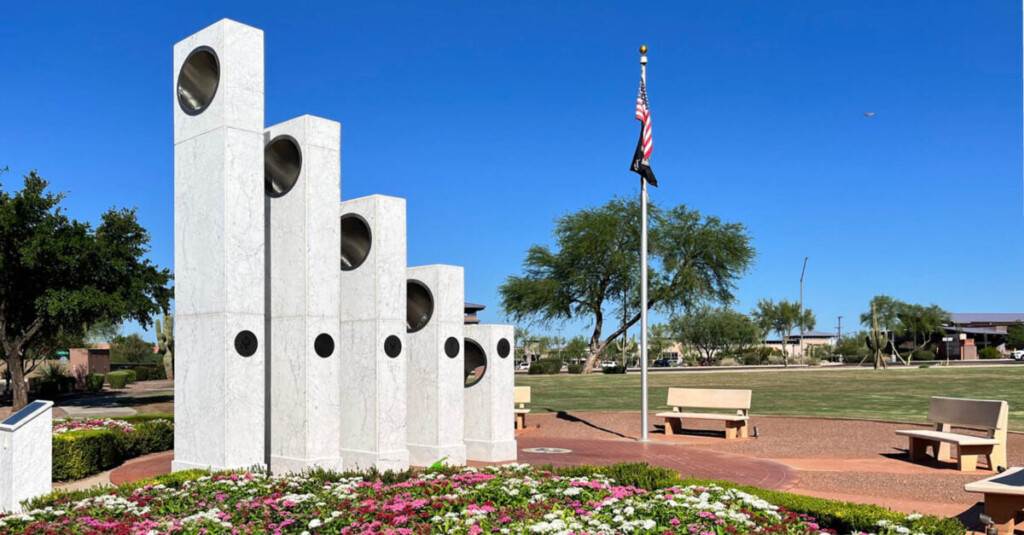
Nestled in Anthem, Arizona, the Anthem Veterans Memorial stands as a unique and inspiring tribute to the United States military. This award-winning monument features five towering white marble pillars representing the five branches of the U.S. Armed Forces: Army, Marine Corps, Navy, Air Force, and Coast Guard. Each pillar is carefully positioned to interact with sunlight, creating a solar spotlight effect that illuminates a glass-mosaic of the Great Seal of the United States precisely at 11:11 a.m. on Veterans Day.
This remarkable engineering feat was made possible through the collaboration of local residents Renee Palmer-Jones, who designed the monument, and engineer Jim Martin, who calculated the exact solar alignment. The white pillars and red brick pavers blend harmoniously with the blue Arizona sky, symbolizing unity and patriotism. The 3,000 brick pavers, many engraved with veterans' names, form the Circle of Honor, inviting visitors to reflect on individual stories of service.
Surrounding the Circle of Honor, five park benches represent family members waiting for their loved ones to return home, adding an emotional and humanizing touch to the memorial. Dedicated on November 11, 2011, the monument has become a gathering place for solemn remembrance and community events, demonstrating how design and symbolism can deepen public appreciation for veterans’ sacrifices.
The Historical Significance of Veterans Day
Veterans Day, observed annually on November 11, originated as Armistice Day to mark the end of World War I in 1918. The armistice was signed on the 11th hour of the 11th day of the 11th month, symbolizing a moment of peace after devastating conflict. Over time, the day evolved to honor all American veterans who have served in the military, reflecting a broader appreciation for those who defend the nation in peace and war.
The transition from Armistice Day to Veterans Day in 1954 was a significant cultural milestone, emphasizing the importance of acknowledging every branch of the military and every veteran's contribution. This shift allowed the nation to collectively honor servicemen and women from various conflicts, including World War II, the Korean War, Vietnam War, and more recent engagements.
Veterans Day serves as a reminder of the enduring values of freedom, duty, and sacrifice. It is a day for communities to come together to express gratitude, share stories, and educate younger generations about the cost of liberty. The history behind Veterans Day enriches its meaning and underscores the necessity of ongoing recognition.
Symbolism in Veteran Memorials: More Than Stone and Metal
Memorials dedicated to veterans often incorporate deep symbolism to communicate respect, remembrance, and the ideals for which veterans fought. The use of materials, colors, and design elements conveys layered meanings that resonate with visitors on personal and national levels. For example, the Anthem Veterans Memorial’s white pillars symbolize purity and honor, while the red brick pavers evoke the bloodshed and courage of those who served.
The precise alignment of memorials with natural phenomena, such as the sun in Anthem, adds an element of timelessness and connection to the cosmos. This solar spotlight effect not only marks a specific moment of remembrance but also reflects the enduring light veterans bring to the nation’s history. Such symbolism transforms memorials into living monuments that engage visitors emotionally and intellectually.
Beyond physical structures, symbols like the Great Seal of the United States, eagles, flags, and service branch insignia reinforce themes of patriotism and unity. These elements combine to create spaces where reflection and education coexist, ensuring veterans' legacies continue to inspire future generations.
Community Support: The Backbone of Veteran Recognition
Communities across the country play a critical role in honoring veterans through events, support programs, and local memorials. From parades and ceremonies to educational workshops and veteran support groups, community initiatives foster a culture of respect and gratitude. These efforts help bridge the civilian-military divide, offering veterans a sense of belonging and recognition.
Local councils, veteran organizations, and volunteers often collaborate to maintain memorials, organize commemorative activities, and provide resources for veterans and their families. Such grassroots involvement ensures that veterans are not forgotten and that their needs—ranging from healthcare to employment assistance—are addressed.
Community support also extends to storytelling and preserving oral histories, allowing veterans to share their experiences and lessons learned. This exchange enriches public understanding and nurtures empathy, creating a more informed and compassionate society.
The Role of Education in Honoring Veterans
Education is a powerful tool for honoring veterans by fostering awareness about military service and its impact on society. Schools and educational institutions incorporate veterans’ stories into curricula to teach students about history, sacrifice, and civic responsibility. This approach helps develop a deeper appreciation for the freedoms enjoyed today.
Programs such as Veterans Day assemblies, guest speakers, and field trips to memorials provide interactive learning experiences that connect students with veterans personally. These initiatives encourage respect and recognition from a young age, ensuring that the legacy of service endures.
In addition to formal education, public campaigns and media coverage during Veterans Day and other observances raise awareness on a national scale. These efforts highlight the diverse contributions of veterans and promote a culture of gratitude that transcends generations.
Challenges Faced by Veterans and the Importance of Ongoing Support
While honoring veterans is vital, it is equally important to acknowledge the challenges many face after their service. Issues such as physical injuries, post-traumatic stress disorder (PTSD), and difficulties reintegrating into civilian life require comprehensive support systems. Recognizing veterans’ sacrifices involves addressing these realities with compassion and resources.
Healthcare access, mental health services, employment opportunities, and affordable housing are critical areas where ongoing support can make a significant difference. Government programs, nonprofit organizations, and community initiatives strive to meet these needs, but awareness and advocacy remain crucial to improving outcomes.
By shining a light on veterans’ post-service experiences, society can foster a holistic form of gratitude—one that honors their past contributions while actively supporting their present and future well-being.
Innovations in Veteran Memorials and Digital Tributes
Modern technology has expanded the ways in which veterans are honored, complementing traditional memorials with digital tributes and interactive platforms. Virtual memorials, augmented reality experiences, and online honor rolls allow people worldwide to engage with veterans’ stories and contributions in meaningful ways.
These innovations facilitate accessibility, enabling individuals who cannot visit physical sites to participate in remembrance activities. Digital archives and multimedia presentations preserve veterans’ histories for future generations, ensuring that their sacrifices remain visible and appreciated.
Moreover, technology enhances educational outreach and fundraising efforts, supporting veteran services and community engagement. By embracing these advancements, society can continue evolving how it honors veterans, making remembrance more inclusive and dynamic.
Ways to Support and Honor Veterans Year-Round
Honoring veterans should extend beyond designated holidays. Individuals and communities can show appreciation throughout the year by volunteering with veteran organizations, donating to causes that support veterans, or simply expressing gratitude in everyday interactions.
Participating in local events, advocating for veteran-friendly policies, and educating oneself about veterans’ issues are proactive ways to contribute. Small acts, such as writing thank-you notes or offering employment opportunities, can have a profound impact on veterans’ lives.
Ultimately, sustaining a culture of respect and support requires continuous effort. By shining a light on veterans every day, society not only honors their past service but also affirms a commitment to their ongoing dignity and well-being.
Conclusion
Shining a light on veterans involves more than ceremonies and monuments; it requires a sustained commitment to recognizing their sacrifices, understanding their challenges, and supporting their futures. Through memorials like the Anthem Veterans Memorial, educational initiatives, community engagement, and technological innovation, society can ensure veterans’ legacies endure and inspire. By honoring veterans year-round, we affirm the values of freedom, courage, and unity that define a grateful nation.
Discover how emotionally intelligent couples use a simple 'capacity check' question every morning to strengthen their relationships, reduce conflicts, and navigate daily challenges with…
Lifestyle By Aisha Balogun The death of Nigerian-born British influencer and socialite, Igho Ubiribo, popularly known as “Tiny” or “Ego”, has reopened questions surrounding…