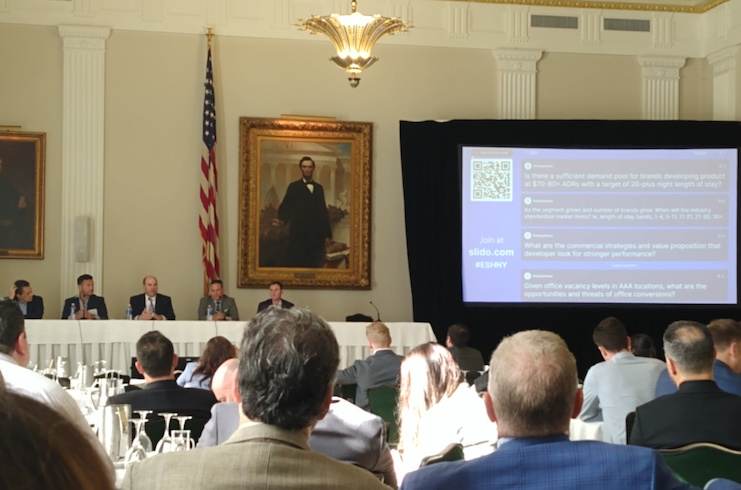
NYC Extended Stay Forum Showcases Segment’s Resilience, Growth Outlook
The extended-stay hotel sector has demonstrated remarkable resilience in recent years, navigating pandemic-driven shifts and emerging economic headwinds with notable strength. Recent industry insights reveal a nuanced picture where luxury and upscale segments continue to gain traction, while midscale and economy properties face modest RevPAR declines. This article explores the key trends, challenges and opportunities shaping the extended-stay landscape, drawing from discussions at the inaugural Extended Stay Hotel Forum held in New York City. The analysis provides valuable perspectives for investors, operators and business travellers seeking to understand this dynamic segment of the hospitality market.
Market Performance and Segment Differentiation
Recent performance data presented at the forum highlights a clear divergence within the extended-stay market. While the sector remains robust overall, midscale and economy properties recorded RevPAR declines of 1.9 percent and 4.7 percent year-to-date respectively as of March 2024. In contrast, luxury and upper upscale/upscale segments experienced growth, with RevPAR increases of 0.7 percent and 3.1 percent over the same period. This bifurcation suggests that consumer preferences are shifting toward higher-quality accommodations that offer enhanced amenities and services, even within the extended-stay framework.
The resilience of the luxury and upscale segments can be attributed to their ability to attract both business travellers seeking premium experiences and leisure guests desiring hotel-like comforts for longer stays. These properties often feature superior locations, enhanced food and beverage offerings, and more sophisticated service models that justify premium pricing. Meanwhile, midscale and economy properties face pressure from changing travel patterns and increased competition from alternative accommodation options such as serviced apartments and corporate housing providers.
Drivers of Sustained Demand
Despite short-term headwinds in certain segments, several structural factors continue to underpin demand for extended-stay accommodation. The challenging state of the residential housing market, particularly high interest rates affecting mortgage affordability, has made home ownership less accessible for many potential buyers. This situation has led to increased interest in extended-stay hotels as a flexible alternative to traditional leasing or home purchase.
Panelists noted that younger generations, in particular, show a preference for geographic flexibility and experiential living over long-term residential commitments. Extended-stay hotels cater to this demographic by offering the ability to reside in different locations for months at a time without the financial and legal obligations associated with leases or mortgages. Additionally, the segment benefits from a diverse business mix that includes corporate relocations, project-based work, medical tourism, and leisure travellers seeking home-like amenities during extended vacations.
Operational Excellence and Guest Mix Management
Success in the extended-stay sector requires more than simply benefiting from favourable market conditions; it demands operational discipline and a clear understanding of the target customer profile. Industry leaders emphasised that managing guest mix effectively is critical to maintaining healthy margins and occupancy rates. This often involves making strategic decisions to prioritise longer-stay, higher-value guests over short-term, transient business that may offer higher nightly rates but lower overall profitability.
As one panelist noted, operators must be willing to turn away one-night bookings paying premium rates in favour of accommodating families or business travellers seeking weekly or monthly rates that generate more stable revenue streams. This approach requires sophisticated revenue management systems, staff training focused on long-term guest relations, and a willingness to deviate from traditional hotel operating models that prioritise maximising average daily rate. Properties that master this balance tend to achieve more consistent performance across economic cycles.
Development Opportunities and Challenges
Despite operational complexities, the extended-stay segment presents compelling development opportunities, particularly given current supply constraints. Panelists highlighted that the time is favourable for new construction and conversion projects due to limited existing supply and a slowdown in new pipeline additions. This supply-demand imbalance creates potential for attractive returns on well-located, well-operated properties.
However, significant obstacles remain. Financing for franchised extended-stay developments continues to be challenging, making rapid growth through this model difficult to achieve. Additionally, entitlement processes with municipal authorities have become increasingly protracted, with approval timelines stretching from the historical six to nine months to 12-18 months in many markets. This delay is often attributable to community resistance or zoning concerns regarding economy and midscale extended-stay properties, which some municipalities perceive as incompatible with local development goals.
Successful developers stress the importance of site selection criteria centred on "livability" – proximity to essential amenities such as grocery stores, pharmacies, restaurants and retail centres. Properties located within walkable distances of these services tend to attract and retain guests more effectively, particularly those seeking a temporary home-like environment rather than a traditional hotel experience.
Technology Integration and Future Outlook
While not the primary focus of forum discussions, technology continues to play an increasingly important role in the extended-stay sector. Properties are adopting advanced revenue management systems, contactless check-in/check-out solutions, and smart room technologies to enhance operational efficiency and guest experience. These innovations help operators optimise pricing strategies, reduce labour costs, and provide the seamless, home-like experience that extended-stay guests expect.
Looking ahead, industry experts express cautious optimism about the segment's long-term prospects. While acknowledging that no sector is entirely recession-proof, many view extended-stay hotels as recession-resistant due to their diverse demand base and ability to adapt to changing economic conditions. Historical performance data shows that demand for extended-stay accommodation has remained positive for extended periods, with only brief interruptions during extreme market disruptions such as the initial months of the 2020 pandemic.
The sector has also demonstrated impressive supply growth responsiveness, with a 40 percent increase in extended-stay supply over the last eight years matched by even stronger demand growth. This responsiveness suggests that the market efficiently allocates capital to where it is most needed, supporting the segment's ability to expand in line with genuine consumer needs rather than speculative overbuilding.
What this means
The extended-stay hotel sector presents a complex but promising landscape for investors, operators and travellers alike. While performance varies significantly across segments, with luxury and upscale properties showing growth and midscale/economy facing headwinds, the underlying fundamentals remain strong. Structural drivers such as housing market affordability challenges, shifting generational preferences for flexibility, and the segment's diverse business mix continue to support demand. Success in this space requires operational excellence, particularly in guest mix management and revenue optimisation, alongside careful site selection that prioritises livability amenities. Despite development challenges including financing constraints and extended municipal approval processes, the sector's demonstrated resilience and responsiveness to genuine demand signals suggest attractive opportunities for those willing to navigate its complexities. As the market continues to evolve, properties that successfully blend hotel services with home-like comforts while adapting to changing consumer needs are likely to thrive.
Originally reported by lodgingmagazine.com. Adapted for our readers with AI assistance.
Obi says his wife funds her own purchases. This analysis separates his explanation, unverified handbag prices and the evidence needed to assess public spending.
Omotola’s podcast remarks raise practical questions about income, reputation and values. Here is how professionals can assess offers without inventing claims about missed earnings.